A buyer-focused review of Oceana Bal Harbour resales, covering association finances, assessments, coastal insurance, physical condition, ownership rights and comparable-sale discipline.
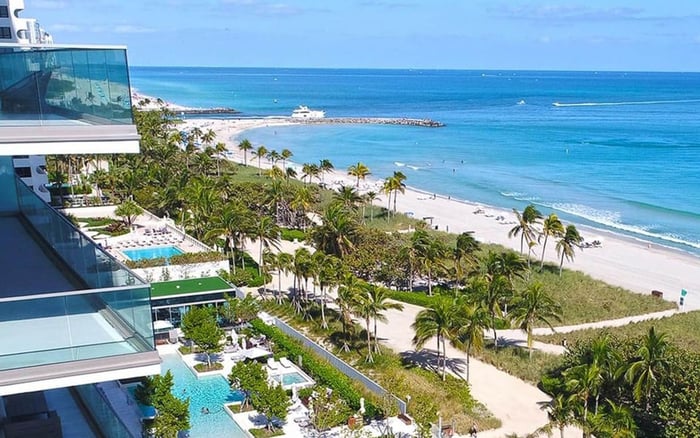
At Oceana Bal Harbour, the beachfront setting is only the beginning of the acquisition decision. This 2016-era condominium at 10203 Collins Avenue, Bal Harbour, FL 33154, comprises approximately 240 residences along 400 feet of beachfront. For a resale buyer, the more consequential question is what accompanies the view: financial obligations, physical condition and enforceable ownership rights.
Residences span approximately 1,267 to 7,774 square feet, encompassing one- to five-bedroom layouts and upper-penthouse offerings. That breadth makes building-wide averages an imperfect guide. A well-considered purchase begins with the specific apartment and extends to the association’s finances, insurance, maintenance obligations and operating rules.
A November 2026 asking-price snapshot showed 15 active listings, ranging from approximately $2.5 million to $38.5 million. The average asking price was approximately $3,205 per square foot, within a range of $1,973 to $5,288. These figures reflect seller expectations at a particular moment-not verified closing values or a current valuation for any individual residence.
Build the valuation around closed transactions matched for exposure, view, floor, interior size, condition and renovation quality. Then account for parking and storage rights. A compelling asking price can become less attractive if the residence requires substantial work or carries obligations absent from a competing apartment.
Historical resale performance also warrants perspective. Among 91 resale pairs examined, 21-approximately 23.1%-traded below their previous purchase price. That is neither a forecast nor a building-wide loss rate. It is a reminder that a prestigious address is no substitute for disciplined underwriting.
For buyers also considering Rivage Bal Harbour, keep the comparison apartment-specific: total acquisition cost, expected carrying expenses, contractual obligations and suitability for the intended ownership period.
Advertised monthly association charges have ranged from approximately $2,100 to $15,677, depending on the residence. A separate November 26, 2026 snapshot placed the median monthly-equivalent fee at $3,660 among 15 active listings with usable fee information. Neither figure replaces current, unit-specific confirmation of charges and inclusions.
Request three years of financial statements, the current budget, reserve schedule and structural integrity reserve study. Review delinquencies, litigation disclosures and recent board minutes alongside them. The objective is to determine whether recurring income, reserve funding and planned expenditures align-not simply to identify the lowest monthly payment.
Ask what the quoted charge excludes. Examine special assessments, insurance obligations, service charges and anticipated capital expenditures separately. A manageable recurring budget is useful only when the buyer also understands potential demands beyond it.
As of November 26, just one of the 15 active listings mentioned an assessment. Silence in the remaining listings does not establish that those apartments have no assessment exposure. Listing remarks are neither an association ledger nor a commitment about future capital needs.
Obtain an official estoppel and written disclosure of pending or approved assessments. Compare those materials with board minutes, repair scopes and planned expenditures. Have counsel negotiate responsibility for unpaid balances and pre-closing capital work rather than leave the allocation to assumption.
Oceana’s current inspection compliance and repair exposure remain unverified here. Request applicable milestone and engineering documentation, permits, repair scopes and completion records. Counsel and qualified professionals should determine which requirements apply and whether the documentation resolves the buyer’s concerns.
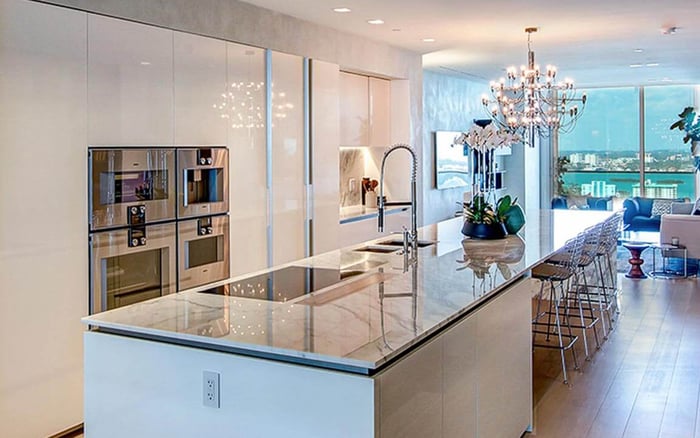
A polished interior should not narrow the inspection’s scope. Independently examine windows, doors, terraces, waterproofing, HVAC condensate, plumbing and evidence of water intrusion. Where concerns arise, seek specialist evaluation and establish whether responsibility rests with the owner, association or another party under the governing documents.
Coordinate the apartment inspection with the building-document review. A terrace concern, for example, should be considered alongside any relevant repair scope, permit and completion record. The goal is not merely to identify a defect, but to understand the remedy, responsibility and potential interruption to use.
Apply the same discipline if the search extends to Fendi Château Residences Surfside. Treat presentation and technical condition as separate questions, and require each candidate residence to justify its acquisition on its own merits.
Request the association’s master-policy limits, wind deductibles, exclusions, open claims and renewal status. Verify flood and storm exposure rather than assume the master policy resolves every coastal risk. Have an insurance adviser explain how the association’s coverage interacts with the proposed owner’s policy.
Interior coverage and loss-assessment protection deserve particular attention. Ask what a deductible or uninsured event could mean for the individual owner, and account for that exposure in the overall ownership budget. This inquiry is separate from whether the monthly association payment appears manageable.
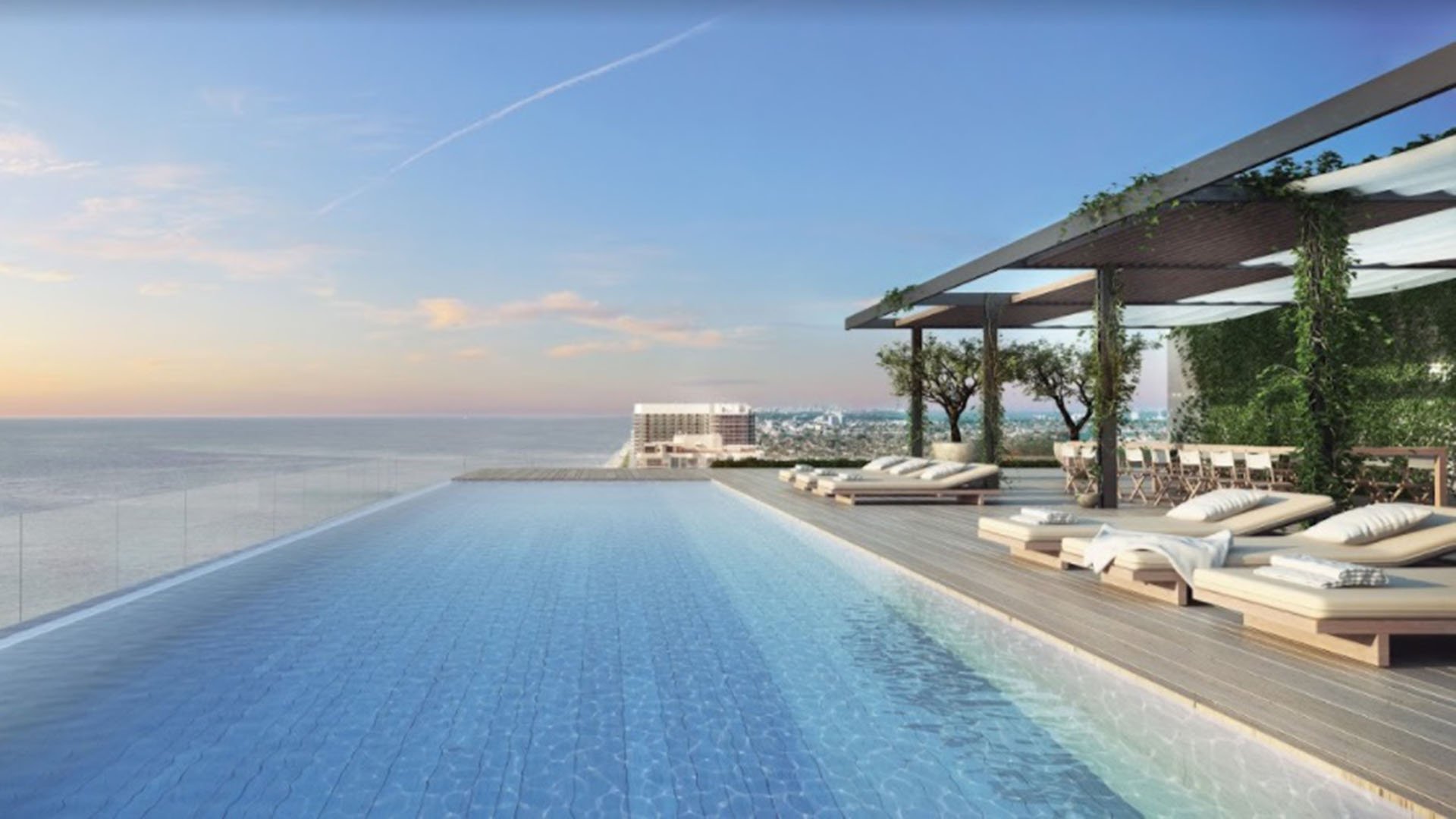
Advertised amenities include a large relaxation pool, an Olympic-style lap pool, two oceanfront jetted spas, an ocean-view fitness center, wellness areas, two clay tennis courts and a spa. Beach and hospitality offerings include a private beach club, restaurant, concierge, valet and security. Verify operating arrangements, service charges, access rules and planned closures.
Storage is described as available for every unit, along with bicycle storage, but availability does not establish ownership or assignment of a particular space. Confirm the precise parking and storage rights conveyed at closing. Likewise, four resident cabanas described as available for daily reservation should not be mistaken for private cabanas attached to an apartment.
For an upper penthouse with an advertised private pool, establish maintenance responsibility, insurance treatment and applicable repair obligations. An amenity’s appeal and its ownership burden belong in the same conversation.
Second-home buyers should verify whether the rules support their intended use. Annual and seasonal leasing are described as subject to association approval, but the controlling minimum term remains unverified. Confirm lease frequency, approval procedures and restrictions in the governing documents. Pet-friendly descriptions likewise remain subject to association rules.
Before proceeding, reconcile the contract, estoppel, financial records, insurance review and physical findings. Resolve discrepancies in writing while counsel can still address them within the transaction. The strongest purchase is not necessarily the apartment with the most dramatic view, but the one whose price, obligations and daily use are equally well understood.
For a discreet approach to your next beachfront acquisition, connect with MILLION.
If branded residences are on your mind — as a home or as an allocation — we would be glad to share what we are seeing, privately.
Begin a quiet conversationOceana Bal Harbour is at 10203 Collins Avenue, Bal Harbour, FL 33154. It is a 2016-era condominium.
Public marketing describes approximately 240 residences and 400 feet of beachfront. Reported residence sizes range from approximately 1,267 to 7,774 square feet.
The snapshot showed 15 active listings asking approximately $2.5 million to $38.5 million. These were seller asking prices, not verified closing values.
Obtain a current, unit-specific confirmation of charges and inclusions. Review the budget, reserve funding and potential obligations outside the recurring fee.
No. Obtain an official estoppel and written disclosure of pending or approved assessments, then review capital plans and board minutes.
Request three years of financial statements, the current budget, reserve schedule and structural integrity reserve study. Also review delinquencies, litigation disclosures and recent board minutes.
Inspect windows, doors, terraces, waterproofing, HVAC condensate, plumbing and signs of water intrusion. Coordinate any concerns with relevant building repair and engineering documentation.
Review master-policy limits, wind deductibles, exclusions, open claims and renewal status. An insurance adviser should also evaluate flood exposure, interior coverage and loss-assessment protection.
Public resale information describes annual and seasonal leasing subject to approval, and pets subject to association rules. Verify the controlling restrictions in current governing documents.
No such conclusion follows from the advertised amenities. Confirm the legal status of any storage space, and distinguish the four daily-reservation resident cabanas from private rights.