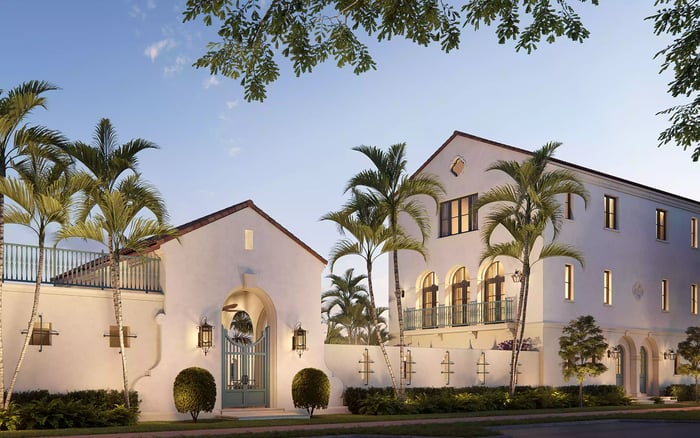
For Chicago residents considering a move to Coral Gables, waterfront value begins with the experience a property is intended to deliver. Navigation, marine structures, flood exposure, insurance, permits, association controls, and comparable properties all deserve coordinated review before an offer becomes binding.
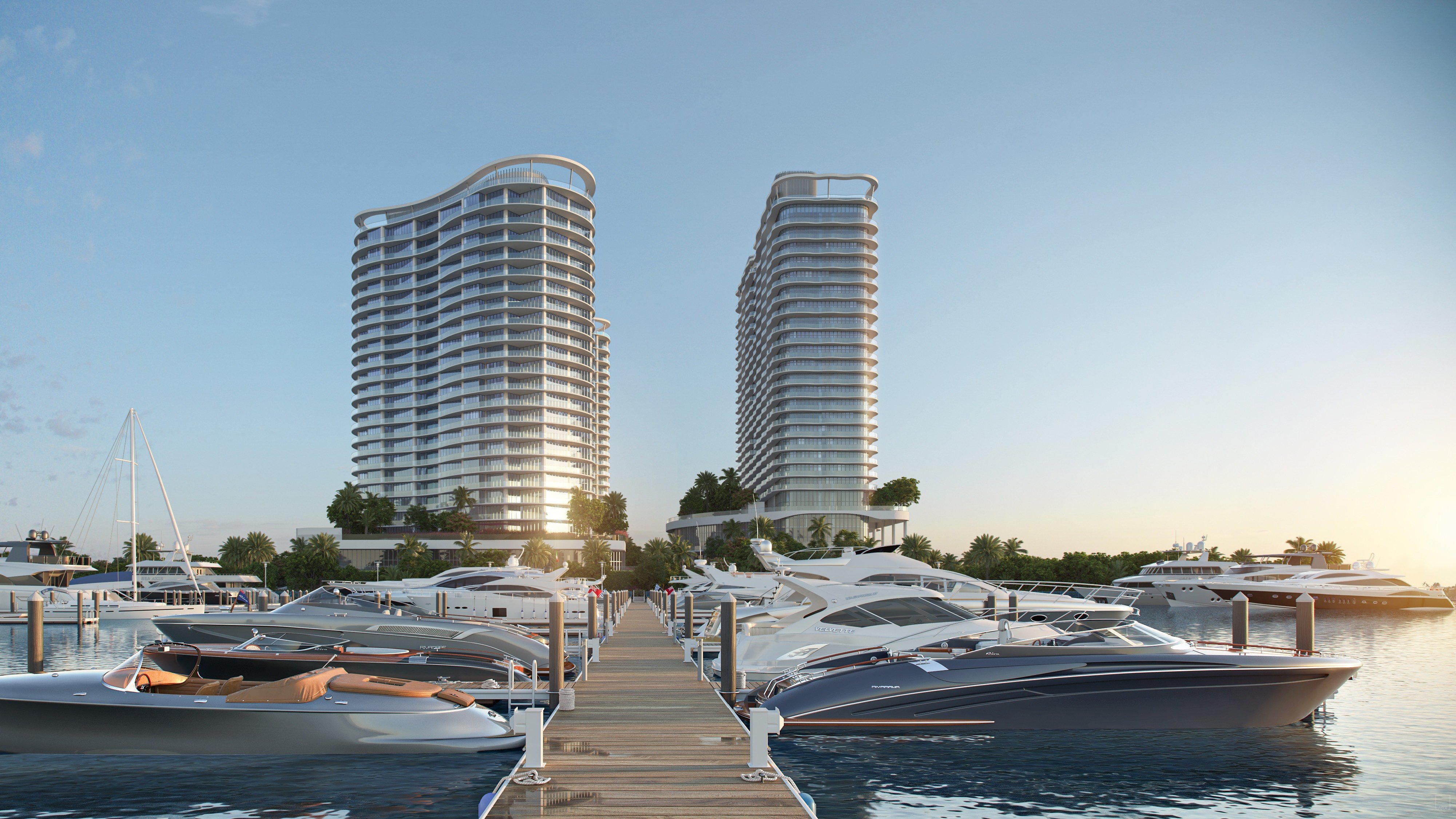
For a buyer arriving from Chicago, the first distinction is not architectural style or bedroom count, but the role water should play in daily life. A Coral Gables search may prioritize open-water views, private dockage, boating access, or a serene water-adjacent setting. These experiences are not interchangeable, and each can carry different ownership responsibilities.
Begin with a written brief covering vessel requirements, desired views, privacy, dock use, maintenance tolerance, and preferred neighborhood structure. Buyers considering a condominium alternative can compare the residential experience at Cora Merrick Park and Ponce Park Coral Gables before deciding whether a private shoreline is essential.
A waterfront label alone does not establish practical utility. Bay or canal position, private dockage, navigation conditions, bridge constraints, privacy, and community controls should all be evaluated for the specific property. Listing language should not substitute for independent verification of the route a particular vessel would use.
A boat-slip assessment should therefore be vessel-specific. Before making an offer, confirm usable dock dimensions, lift specifications, available depth, bridge clearance, and the complete route to Biscayne Bay. A dock may be visually appealing without meeting the buyer’s operational requirements.
The seawall, dock, lift, and adjacent shoreline systems warrant specialist attention. Coordinate the residential inspection with dedicated marine-structure reviews so the condition of the home and its waterfront infrastructure can be considered together.
Permit history also deserves review. Examine available records for docks, seawalls, boat lifts, pools, and other exterior improvements before planning repairs, replacements, or alterations. Read the survey alongside the permit file and obtain appropriate professional guidance where the documents or physical conditions do not align clearly.
Flood due diligence should include the applicable flood-map information, the property’s documented elevation, and any available Elevation Certificate. Consider these materials alongside the home’s configuration and marine inspection rather than treating them as a closing formality.
Obtain written homeowners and flood-insurance quotations while relevant contractual protections remain available. Review coverage terms, exclusions, and applicable deductibles rather than focusing only on the quoted premium. The objective is to understand potential carrying costs and storm-related exposure before contractual options narrow.
For buyers still calibrating location and housing type, The Village at Coral Gables provides another residential point of comparison within the city. Comparing managed residences with private waterfront homes can help clarify preferences regarding maintenance, privacy, amenities, and direct responsibility for marine structures.
Waterfront properties should be compared according to the characteristics that influence their intended use. Relevant distinctions may include frontage, navigation, dock utility, views, privacy, marine condition, residence condition, and community controls. Asking prices alone do not explain these differences.
Comparable-property analysis should therefore focus on genuinely similar waterfront experiences. A buyer can also compare interior-lot homes or managed residences when testing whether private dockage and shoreline responsibility justify the added complexity for the planned lifestyle.
A gated or association-governed address may involve rules and review requirements that affect anticipated exterior work, dock changes, landscaping, or renovations. Obtain and review the documents applicable to the specific property rather than assuming that a proposed change will be permitted.
The strongest offer is informed by a coordinated review of the residence, marine structures, survey, permit records, flood materials, insurance terms, community documents, and vessel route. Bringing those workstreams together before key deadlines helps the buyer evaluate the home and its waterfront infrastructure as one integrated asset.
Does waterfront access guarantee an unrestricted route to Biscayne Bay? No assumption should be made from listing language alone. Verify the complete route and any potential constraints for the buyer’s specific vessel.
Which dock details matter before making an offer? Confirm usable dimensions, lift specifications, available depth, bridge clearance, and the complete navigation route.
Is a standard home inspection sufficient for a seawall and dock? A buyer should consider specialist marine-structure inspections in addition to the conventional residential inspection.
Why should permit history be reviewed? Available records can help the buyer evaluate docks, seawalls, lifts, pools, and other exterior improvements before planning future work.
Which flood-related materials should a buyer request? Review applicable flood-map information, documented property elevation, and any available Elevation Certificate.
When should insurance quotations be obtained? Seek written homeowners and flood-insurance terms while relevant contractual protections remain available.
Are all Coral Gables waterfront properties directly comparable? No. Frontage, navigation, dock utility, views, privacy, condition, and community controls may create meaningful distinctions.
Why compare waterfront homes with managed residences? The comparison can clarify preferences regarding maintenance, amenities, privacy, and responsibility for shoreline infrastructure.
Should community documents be reviewed before an offer becomes binding? Review timing depends on the transaction, but buyers should examine applicable rules early enough to assess their plans and obligations.
What should a relocating buyer include in a waterfront brief? The brief should address vessel needs, views, privacy, dock use, maintenance tolerance, and preferred neighborhood structure.
For a confidential assessment and a building-by-building shortlist, connect with MILLION.
If branded residences are on your mind — as a home or as an allocation — we would be glad to share what we are seeing, privately.
Begin a quiet conversation