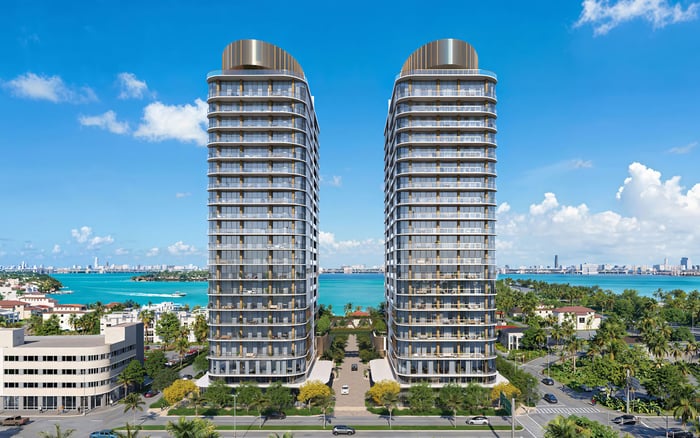
A due-diligence framework for evaluating Auberge Beach Residences & Spa Fort Lauderdale, with attention to the development team, delivery exposure, finish quality, condominium records, operations and relevant South Florida comparisons.

Buyers evaluating Auberge Beach Residences & Spa Fort Lauderdale should separate brand recognition from transaction-specific evidence. Confidence is strongest when it rests on current documents, a careful physical review and advice tailored to the residence under consideration.
The first step is to confirm the unit’s present sales and construction status. A pre-construction contract, developer inventory purchase and resale acquisition can expose a buyer to different questions, even within the same broader development. Counsel should review the applicable agreement and governing documents rather than assume that general project information controls a specific transaction.
A track-record review should identify the legal sponsor, developer, general contractor, architect, interior designer and any hospitality or management operator connected to the property. Buyers can then examine relevant prior work, delivery history and the scope assigned to each participant.
The analysis should focus on responsibility as well as reputation. A recognizable name does not establish who is contractually accountable for construction, finishes, operations or service delivery. Current offering materials, contracts and condominium documents should answer those questions.
For additional Fort Lauderdale context, buyers may review Four Seasons Hotel & Private Residences Fort Lauderdale and The Ritz-Carlton Residences® Fort Lauderdale. The purpose of comparison is not to treat the properties as interchangeable, but to clarify expectations concerning privacy, governance, management and day-to-day service.
Delivery risk should be assessed from the documents governing the specific purchase. Relevant issues can include milestone language, closing conditions, permitted changes, remedies and the treatment of deposits. A buyer’s attorney should explain how those provisions operate in the contemplated transaction.
Marketing schedules should not substitute for contractual analysis. Buyers should request the latest written information, identify which dates are estimates and determine what protections or obligations appear in the agreement. If construction is ongoing, independent professional review may also help distinguish visible progress from contractual completion.
If the residence is already complete, the emphasis changes. The buyer can inspect the physical home and common areas, but should still investigate unresolved work, warranties, alterations and any obligations that could carry forward after closing.
Finish quality must be evaluated at the residence level. Buyers should compare the applicable specifications with installed materials and examine flooring, millwork, doors, hardware, glazing, terraces, appliances and wet areas. Any substitutions, upgrades or owner alterations should be documented.
A professional inspection can help identify visible defects or deferred maintenance, while counsel can assess the contractual and documentary significance of those findings. The review should distinguish cosmetic preferences from incomplete work, maintenance concerns and issues requiring specialist evaluation.
Common areas also matter because the ownership experience extends beyond the private residence. Buyers should review the condition and management of shared spaces alongside available budgets, reserves, insurance information, maintenance records and plans for material work.
A disciplined comparison should account for differences in location, development stage, residence type, governance and service model. Buyers researching other Broward County options can examine St. Regis® Residences Bahia Mar Fort Lauderdale and Shell Bay by Auberge Hallandale as separate reference points.
No comparison replaces direct diligence on the selected Auberge residence. The decisive evidence should come from the applicable contract, current condominium records, a unit-specific inspection and qualified legal and financial advice.
What should establish confidence in an Auberge purchase? Confidence should rest on current transaction documents, physical inspection findings and professional advice rather than branding alone.
Why does the residence’s sales status matter? A pre-construction purchase, developer inventory transaction and resale acquisition can involve different contracts, timelines and diligence priorities.
How should a buyer review the developer’s track record? Identify the responsible legal entities and project participants, then evaluate relevant prior work and the duties assigned to each party.
What documents help clarify delivery risk? The purchase agreement, current project materials and related governing documents should be reviewed by qualified counsel.
Should a marketing schedule be treated as a guaranteed delivery date? Buyers should distinguish marketing estimates from obligations and remedies stated in the governing contract.
What should be inspected inside the residence? The review should cover installed finishes, glazing, terraces, appliances, wet areas, visible workmanship and documented alterations.
Why compare installed finishes with specifications? The comparison can help identify substitutions, upgrades, incomplete work or differences requiring further investigation.
What building-level records deserve attention? Available budgets, reserves, insurance information, maintenance records and plans for material work should be reviewed.
How should competing South Florida projects be compared? Consider development stage, location, residence type, governance, privacy and service model without assuming the properties are equivalent.
Which professionals can support buyer diligence? Depending on the transaction, a buyer may benefit from legal, financial, inspection and other specialist advice.
When you're ready to tour or underwrite the options, connect with MILLION.
If branded residences are on your mind — as a home or as an allocation — we would be glad to share what we are seeing, privately.
Begin a quiet conversation