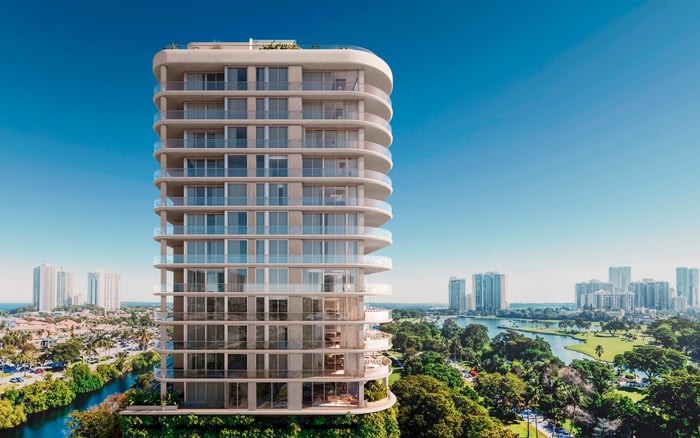
A buyer-focused guide to reviewing deposit timing, written concessions, completion provisions, upgrade value, closing flexibility, and ownership obligations at One Park Tower.

At One Park Tower by Turnberry North Miami, a buyer should assess more than the headline purchase price. Deposit obligations, credits, specifications, delivery provisions, default remedies, and recurring costs can materially affect the overall transaction.
The executed agreement, disclosure materials, exhibits, and signed amendments should control the analysis. Marketing language, sales conversations, and informal correspondence should not be treated as substitutes for contract terms reviewed by the buyer’s counsel.
A proposed deposit schedule should identify each amount, due date, triggering event, and consequence of late payment. Buyers should also confirm how reservation funds are applied, where deposits are held, when funds may be released, and which provisions govern cancellation, default, and refunds.
Payment timing is a liquidity decision as well as a negotiating point. A buyer may ask whether interim obligations can be reduced, deferred, or tied to clearly defined milestones, but any accepted change should appear in a signed document.
Financing requires separate attention. The availability of a loan does not itself create a financing contingency, so the agreement should be reviewed for lender-related deadlines, appraisal risk, and the consequences of delayed funding.
An upgrade or credit has limited value when its scope is unclear. Written terms should identify the covered item, allowance or credit amount, quality standard, installation responsibility, completion deadline, substitution process, and remedy if the promised item is unavailable.
Buyers considering alternatives may review Avenia Aventura, Bentley Residences Sunny Isles, and Continuum Club & Residences North Bay Village as additional South Florida project options. Comparisons should remain unit-specific because location, layout, exposure, specifications, contract structure, and release timing may differ.
Potential requests can include finish selections, appliances, flooring, storage, parking, technology packages, or closing credits. The priority is not the number of concessions but whether each one is measurable, enforceable, and useful to the buyer.
Closing provisions should be read as an integrated timeline. Counsel can examine the anticipated delivery framework, outside dates, extension rights, notice procedures, force majeure language, purchaser remedies, and the events that permit either party to delay or terminate.
The agreement should also address inspection access, the standard for completion, punch-list procedures, cure periods, and responsibility for unfinished work. Buyers should determine when risk of loss, insurance obligations, utilities, assessments, and maintenance responsibilities shift to them.
If assignment flexibility matters, the contract should state whether an assignment is permitted, requires consent, carries a fee, or is restricted until closing. Any negotiated exception should be documented in a signed amendment.
Before signing, request and review the applicable budget, reserve disclosures, insurance allocation, fee schedule, maintenance inclusions, and governing documents. If shared facilities or master-level obligations apply, the documents should explain access rights, cost allocation, easements, and amendment procedures.
Rental provisions also require document-level review. Confirm minimum lease terms, frequency limits, approval procedures, fees, occupancy rules, and the authority to amend restrictions. A buyer considering an investment or second-home strategy should not rely on a verbal description of leasing flexibility.
A focused proposal can address deposit timing, written incentives, specifications, delivery protections, inspection rights, assignment treatment, and recurring costs together. This allows the buyer to weigh economic value against timing and performance risk instead of evaluating each request in isolation.
The final agreement should make clear what is being delivered, when each payment is due, which standards apply, and what remedies are available if an obligation is not satisfied.
Which documents should control the purchase analysis? The executed agreement, disclosure materials, exhibits, and signed amendments should be treated as the controlling record.
What should a deposit schedule identify? It should state each payment amount, due date, triggering event, and the consequences of missed deadlines.
How should reservation funds be addressed? The contract should confirm whether and how those funds are credited, held, released, or refunded.
Does planned financing guarantee a financing contingency? No. The contract must expressly provide any financing protection on which the buyer intends to rely.
How should an upgrade credit be documented? It should define the item or allowance, value, quality standard, deadline, substitution process, and remedy.
Which closing provisions merit careful review? Review delivery timing, outside dates, extension rights, notices, force majeure terms, and purchaser remedies.
What should the inspection language cover? It should address access, completion standards, punch-list procedures, cure periods, and unfinished work.
Why do assignment terms matter? They determine whether a buyer can transfer the contract and whether consent, fees, or timing restrictions apply.
Which recurring costs should be verified? Review applicable budgets, reserves, insurance allocations, maintenance inclusions, and any shared obligations.
How should rental flexibility be confirmed? Verify lease terms, frequency limits, approval requirements, fees, and amendment authority in the governing documents.
For a tailored shortlist and next-step guidance, connect with MILLION.
If branded residences are on your mind — as a home or as an allocation — we would be glad to share what we are seeing, privately.
Begin a quiet conversation