A buyer-focused framework for comparing Bay Harbor Islands penthouses through terrace usability, security verification, building operations, and resale evidence.

The best penthouse depends on how well a residence supports the buyer’s intended use. A large terrace may be less practical if exposure, shade, drainage, storage, privacy, or maintenance obligations limit everyday enjoyment. Interior circulation also matters because outdoor areas should connect naturally with primary living and entertaining spaces.
Security requires a separate review. Buyers should confirm building access procedures, visitor management, garage controls, delivery handling, staffing arrangements, camera coverage, and contingency protocols directly through current condominium documents and building representatives.
Resale depth should be evaluated through verified closed transactions, relevant competing listings, unit-specific distinctions, building finances, recurring charges, assessments, and any material work that could affect ownership or future marketability.
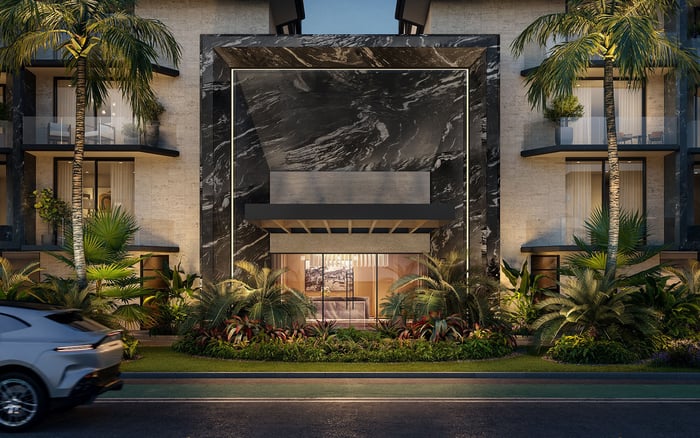
Bay Harbor Islands buyers can begin a project-level review with La Maré Bay Harbor Islands, Onda Bay Harbor, Bay Harbor Towers, and La Baia North Bay Harbor Islands.
This shortlist is a starting point rather than a definitive ranking. Current availability, penthouse specifications, service arrangements, condominium obligations, and transaction evidence should be verified before comparing the residences.
Start by identifying every outdoor area associated with the residence and confirming its legal and operational status. Deeded private space, limited common elements, and shared amenities can create different rights, responsibilities, and resale implications.
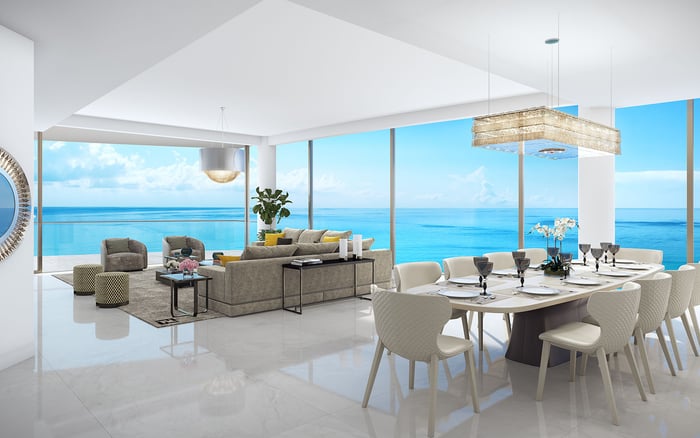
Inspect how the terrace performs rather than relying on total area alone. Review its relationship to the interior, exposure, privacy, shaded zones, drainage, waterproofing responsibilities, permitted improvements, furniture storage, and maintenance requirements. If a private pool or outdoor kitchen is represented, confirm ownership obligations, operating rules, insurance considerations, and approval requirements.
Marketing language should not replace operational verification. Request current information about staffing hours, resident and guest access, elevator controls, parking access, deliveries, vendors, surveillance, emergency procedures, and service interruptions.
Buyers should also understand how building procedures affect convenience. Strong controls can support privacy, but the practical experience depends on consistent staffing, clear protocols, and appropriate handling of residents, guests, contractors, and deliveries.
Closed sales generally provide a stronger historical reference than asking prices, but each comparable requires adjustment for condition, floor, view, outdoor space, parking, storage, and building context. Active listings can help frame present competition without establishing achieved value.
Review the condominium’s financial and operational position alongside unit-level evidence. Current budgets, reserves, insurance information, assessments, pending work, rules, and recurring ownership costs can influence both acquisition decisions and future resale prospects.
Create a consistent scorecard for every penthouse under consideration. Record the status and usability of outdoor areas, verified security procedures, building services, ownership costs, physical condition, and the relevance of available comparable sales.
A buyer can then weight each category according to personal priorities. Someone focused on entertaining may emphasize terrace flow and support spaces, while a security-focused buyer may give greater weight to access procedures and staffing verification. A resale-focused buyer should concentrate on documented transaction evidence and the residence’s defensible distinctions.
What makes a penthouse terrace genuinely usable? Usability depends on layout, exposure, privacy, shade, drainage, storage, maintenance obligations, and its connection to the interior.
Why should buyers distinguish private and shared rooftop space? The categories can involve different usage rights, responsibilities, and implications for valuation and resale.
How should penthouse security be evaluated? Buyers should verify access controls, staffing, visitor procedures, garage entry, deliveries, surveillance, and emergency protocols.
Are concierge or valet services enough to establish strong security? No. Service offerings should be considered alongside verified access procedures, staffing arrangements, and building operations.
What terrace documents should a buyer review? Review condominium documents, rules, maintenance responsibilities, insurance information, and approvals affecting outdoor areas or improvements.
How should a private pool or outdoor kitchen be assessed? Confirm ownership, maintenance, insurance, operating rules, utility responsibilities, and any association approval requirements.
Why are closed sales important in resale analysis? Verified closings show achieved transaction evidence, while active listings represent seller expectations rather than completed sales.
What can make a comparable sale less relevant? Differences in condition, floor, views, terrace utility, parking, storage, building context, and transaction timing can reduce comparability.
Which building-level issues may affect future resale? Finances, reserves, insurance, assessments, pending work, recurring costs, and operating rules may influence buyer demand and marketability.
Should a shortlist be treated as a final ranking? No. Current residence details, documents, availability, operating conditions, and transaction evidence must be verified before ranking options.
When you're ready to tour or underwrite the options, connect with MILLION.
If branded residences are on your mind — as a home or as an allocation — we would be glad to share what we are seeing, privately.
Begin a quiet conversation