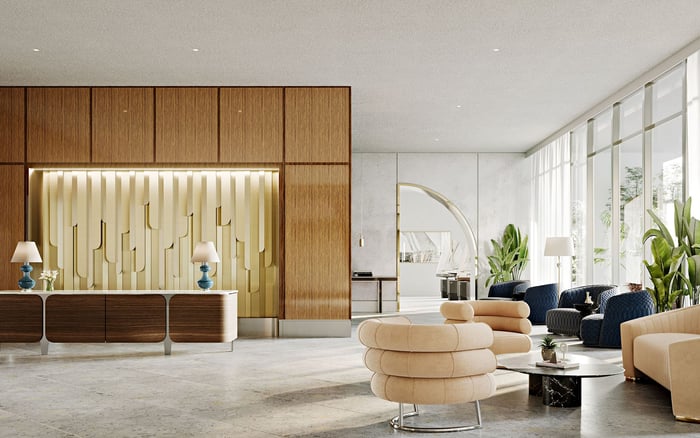
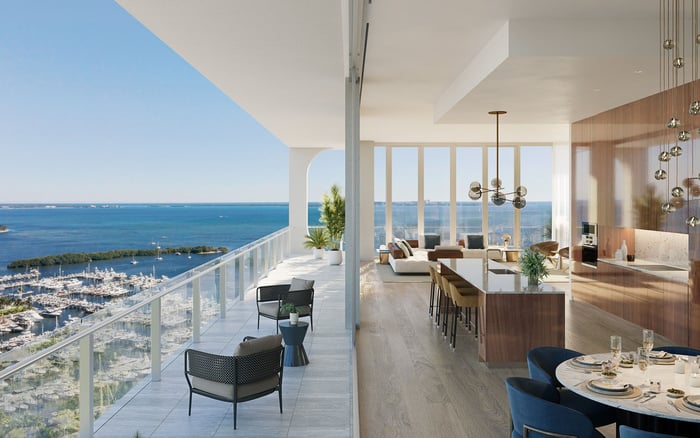
A buyer-focused look at how art collectors should evaluate Mr. C Tigertail Coconut Grove, Ziggurat Coconut Grove, and the broader Coconut Grove luxury condominium context.
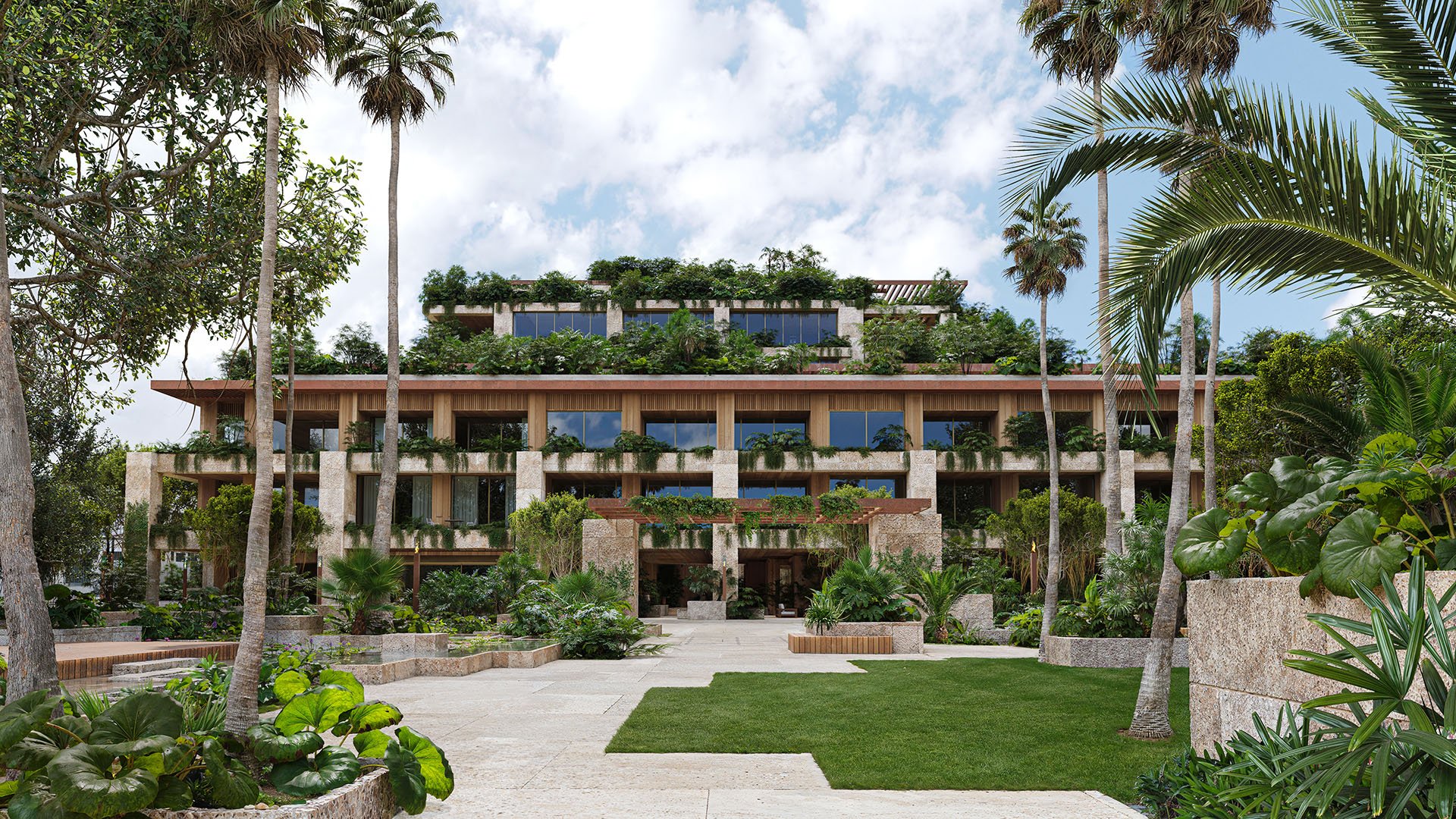
For serious collectors, a residence is not simply a backdrop for art. It is part gallery, part conservation environment, part private salon, and part daily retreat. That distinction matters in Coconut Grove, where luxury buyers often arrive with highly personal expectations for privacy, design intelligence, and a slower residential rhythm than Miami’s more vertical, high-velocity corridors.
The conversation around Mr. C Tigertail Coconut Grove and Ziggurat Coconut Grove is therefore less about decoration than stewardship. A collector is not merely asking whether a painting fits over a console. The more consequential questions involve light exposure, humidity control, wall structure, ceiling planes, arrival sequence, service access, insurance documentation, and whether the home can be lived in gracefully without compromising the work.
This is where buyer’s guides for luxury condominiums can become too generic. Art-led purchasing requires a more exacting checklist. It asks whether a residence can host a collection over time, adapt as that collection changes, and maintain enough visual calm for important pieces to breathe.
In comparing Mr. C Tigertail Coconut Grove with Ziggurat Coconut Grove, buyers should resist reducing the decision to brand, exterior character, or amenity language alone. The stronger approach is to study how each residence might function once art becomes a primary occupant of the home.
That means requesting plans early, then reading them almost like a curator. Where is the first wall visible from the entry? Does the living room allow a major piece to be approached from a distance? Are there competing focal points, such as television walls, terrace doors, kitchen islands, or corridor openings? Can sculpture be placed without interrupting circulation? These questions may sound subtle, but they determine whether a home feels collected or merely furnished.
For buyers considering Ziggurat Coconut Grove, the architectural identity suggested by the name naturally draws attention to form, massing, and spatial sequence. For buyers considering Mr. C Tigertail Coconut Grove, the hospitality association may prompt closer scrutiny of service rhythm, arrival experience, and lifestyle polish. In both cases, the practical work is the same: verify the residence as an environment for collection care, not simply as a luxury address.
The first non-negotiable is light. South Florida brightness can be beautiful, but direct sunlight is rarely kind to works on paper, textiles, photography, or certain paintings. Buyers should ask how glazing, shades, overhangs, and room orientation interact throughout the day. A dramatic view can be valuable, but a controlled wall can matter more to a collection.
The second issue is wall quality. Collectors should confirm which walls can support heavier works, where blocking can be added, and whether structural or mechanical constraints limit placement. Large art often needs more than square footage. It needs uninterrupted planes, sufficient ceiling height, and electrical planning that avoids visual clutter.
Climate is equally important. A residence that feels comfortable to its owner may not automatically be ideal for sensitive materials. Buyers should ask how temperature and humidity can be controlled, monitored, and stabilized when the owner is away. For second-home users, this can be especially important.
Access is another overlooked consideration. The path from loading area to elevator, corridor, entry, and final placement should be reviewed before closing, not after a crate arrives. Oversized works and delicate sculpture require predictable movement, clearances, and service procedures. A collector-focused purchase should treat those logistical questions as standard due diligence.
Coconut Grove has long appealed to buyers who value atmosphere as much as address. For art collectors, that matters. The neighborhood supports a form of ownership that can feel more private, more residential, and less performative than trophy living in a highly exposed waterfront tower.
That does not make the decision sleepy. It means luxury is often expressed through discretion, landscaping, architectural texture, and the ability to live with objects at a human pace. This is why the broader Coconut Grove new-development conversation is relevant. Buyers looking at Mr. C Tigertail and Ziggurat may also study Four Seasons Residences Coconut Grove, The Well Coconut Grove, and Arbor Coconut Grove to understand how different residential concepts frame privacy, wellness, design, and daily convenience.
For collectors, lifestyle is not an abstract word. It is the difference between seeing art in passing and actually living with it. The best home is not necessarily the one with the most visual drama. It is the one that lets the collection feel inevitable.
The Design & Architecture conversation should begin before finishes are selected. A collector may need recessed lighting layouts adjusted, outlets relocated, millwork simplified, or certain walls kept intentionally quiet. If customization is possible, the earlier those requests are made, the better the result.
Buyers should also think about the hierarchy of rooms. A primary living area may carry the most important pieces, while a study, gallery corridor, elevator foyer, or dining room might offer more controlled viewing conditions. Bedrooms can support quieter works, but they may not be ideal for pieces requiring precise lighting or more generous viewing distance.
Terraces deserve caution. Outdoor living is central to South Florida, but indoor-outdoor transparency can create glare, heat gain, and reflections. None of that diminishes the value of a terrace. It simply means collectors should balance views with protection, and spectacle with preservation.
Art-led buying is not complete without operational planning. Before committing, buyers should discuss insurance requirements, installation permissions, building rules for vendors, and any limitations on drilling, anchoring, or moving large objects through common areas. These are not glamorous questions, but they protect both the collection and the owner’s peace of mind.
Long-term flexibility also matters. Collections evolve. A buyer who owns contemporary canvases today may acquire sculpture tomorrow, or works on paper that demand a more controlled environment. The best residence gives the owner options. Flexible rooms, calm walls, proper storage potential, and thoughtful lighting can make a home more resilient as taste changes.
For Mr. C Tigertail Coconut Grove and Ziggurat Coconut Grove, the smart buyer will look beyond first impressions. The central question is not simply which building feels more striking. It is which residence can become an intelligent container for a life already shaped by art.
Is art collector living only about having enough wall space? No. Wall space matters, but light control, climate stability, access, security, and viewing distance are equally important.
Should buyers ask for floor plans before discussing art placement? Yes. Plans help identify uninterrupted walls, circulation paths, and rooms that may support major works or sculpture.
Why does light matter so much in South Florida residences? Strong sunlight can affect sensitive materials, so collectors should study exposure, glazing, shading, and window treatments carefully.
Can a luxury condo be adapted for a serious collection? Often yes, but buyers should confirm what can be modified, including lighting, wall reinforcement, electrical placement, and installation rules.
Is Coconut Grove a good fit for discreet collectors? Coconut Grove can appeal to buyers who prefer a more residential, private, and atmosphere-driven setting for daily living.
How should buyers compare Mr. C Tigertail Coconut Grove and Ziggurat Coconut Grove? Compare the residences through the lens of plans, light, service access, privacy, and how the collection would actually live in the home.
What should second-home buyers consider for art care? They should ask how temperature and humidity are maintained when the residence is vacant and how the home can be monitored.
Do sculpture collectors need a different checklist? Yes. Sculpture requires attention to floor loading, circulation, sightlines, elevator access, and safe installation routes.
When should an art adviser or installer be involved? Ideally before contract decisions are finalized, so practical requirements can be reviewed while there is still room to adjust.
What is the best way to shortlist comparable options for touring? Start with location fit, delivery status, and daily lifestyle priorities, then compare stacks and elevations to validate views and privacy.
If you'd like a private walkthrough and a curated shortlist, connect with MILLION.
If branded residences are on your mind — as a home or as an allocation — we would be glad to share what we are seeing, privately.
Begin a quiet conversation