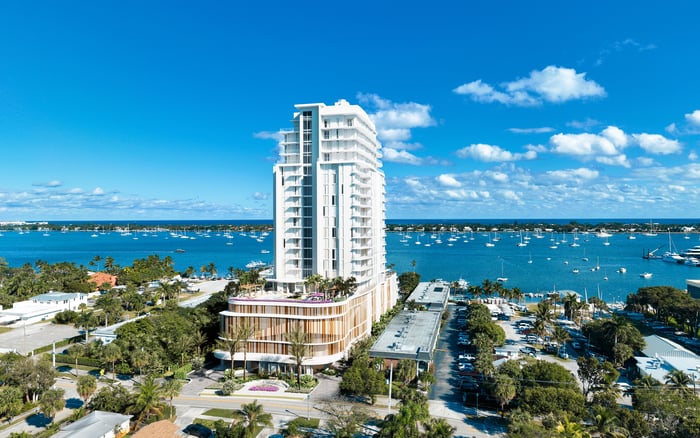
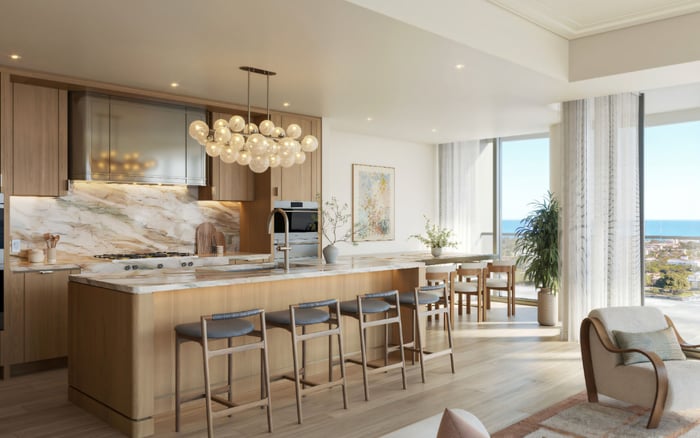
A buyer-focused framework for documenting the handover at Mr. C Residences West Palm Beach, distinguishing warranty rights from document transfers, and escalating construction concerns with precision.

At Mr. C Residences West Palm Beach, the buyer's handover standard should be as considered as the purchase itself. Beyond presentation, the essential questions are practical: what remains unfinished, who will address it, which warranties apply, and how does a concern move from a service request to a formal claim if necessary?
Treat this framework as recommended buyer practice, not a statement of the project's contractual procedures or repair commitments. Purchase documents, applicable law and relevant warranty terms should govern the details. A polished service experience is welcome; a written record is indispensable.
The objective is to distinguish an incomplete finish from a covered defect or a building-wide concern, so each reaches the appropriate party without delay.
Bring the floor plan, appliance schedule and purchase specifications to the walkthrough. Proceed room by room, comparing what has been delivered with what the agreement requires. Record incomplete, damaged, missing or nonconforming items rather than relying on a general impression that the residence is ready.
Each punch-list entry should identify the exact location, observed condition, requested remedy and target completion date. Photographs should make the location and condition clear to someone who was not present. Request written acknowledgment from the developer's representative and retain a copy of the version everyone reviewed.
A hypothetical entry for a damaged cabinet front, for example, should specify the room and cabinet, include an image and distinguish a proposed repair from replacement. That is more useful than a note reading simply “cabinetry.” Record the requested completion date as a target or agreed commitment; do not assume it is a statutory deadline.
Buyers also considering Alba West Palm Beach can apply the same documentation standard while evaluating each property's contractual handover terms. Compare accountability without assuming that different developments offer identical procedures.
A punch list addresses items identified around completion or closing. Warranty work addresses defects within applicable coverage periods. An issue may fall into both categories, but the records should distinguish when it was observed, when it was submitted and how the recipient classified it.
Ask for a written service procedure identifying the designated recipient, required submission materials, acknowledgment procedure and escalation contact. Resolve these questions with the project team rather than presuming that a particular claims portal provides the answers. After any repair, document the work and whether the original condition remains.
Keep purchase agreements, warranty addenda, appliance manuals, completion records, certificate-of-occupancy information, photographs, service requests and repair correspondence together. Counsel should determine which completion evidence controls each legal period. Do not assume that a friendly exchange, an open ticket or continuing repair discussions extends a deadline.
Florida condominium purchasers have statutory implied developer warranties of fitness and merchantability for the intended purposes or uses of their units and covered improvements. The critical timing distinction: the developer's unit warranty generally runs for three years from completion of the building containing the unit, not from the purchaser's closing.
The category covering all other improvements for the use of unit owners generally carries a three-year warranty from completion of those improvements. Different components may therefore require different supporting dates, rather than a single closing-based calendar.
For roofs, structural components and covered building-serving mechanical, electrical and plumbing systems, the developer's warranty generally lasts three years from completion or one year after owner control, whichever is later, subject to a five-year maximum from completion.
Contractors, subcontractors and suppliers also provide statutory implied warranties. These generally run three years for specified structural and building-system work and one year for other covered improvements or materials. Coverage depends on the responsible party and statutory category; not every condition falls under the same warranty.
These are coverage periods, not a complete calculation of lawsuit filing deadlines. Have Florida condominium counsel evaluate the actual dates and applicable requirements rather than treating a warranty calendar as a litigation calendar.
Separate “warranty transfer” into three questions. First, what statutory protections apply to the purchaser and remain relevant at that point? Second, which warranty documents must reach the owner-controlled association? Third, do contractual or manufacturer warranties require assignment, registration, consent or another step under their own terms?
For a resale purchase, request the existing warranty file and have counsel review remaining rights and any transfer requirements. Do not assume that a change in ownership restarts statutory coverage or automatically transfers every contractual benefit.
Association turnover is a separate event. Specified governing documents, accounting records, plans, permits, insurance policies, contracts and warranties must be delivered to the owner-controlled board. The incoming board should audit the package and identify omissions rather than equating delivery of a folder with a complete handover.
The same distinction belongs in buyer diligence at Forté on Flagler West Palm Beach: possession of warranty documents and entitlement to enforce a particular warranty are separate questions, each requiring review.
A condition visible inside a residence may involve a shared wall, riser, building envelope or another common system. Notify property management and the association in writing rather than relying solely on a request to the developer. Describe the observation accurately without presenting an unconfirmed cause as an engineering conclusion.
Florida condominium associations can pursue matters of common interest, including common elements, roofs, structural components, building systems and developer representations. An independent engineering analysis around turnover can help identify deficiencies before short warranty periods expire.
The board's strategy should connect engineering findings and owner complaints to potentially responsible parties and applicable coverage periods. A turnover inspection report, an independent defect investigation and a structural integrity reserve study are not interchangeable. The board should clarify which assignment its professionals are undertaking.
If a concern remains unresolved, preserve the chronology: discovery, written notice, inspection, proposed remedy, repair and recurrence, if any. Distinguish observations from professional findings and proposed work from completed work.
Florida's construction-defect process may require pre-suit notice and an opportunity to inspect and address alleged construction defects before litigation. Do not assume that a routine service request satisfies every formal requirement. Counsel can coordinate the appropriate process with the relevant owner or association and its experts.
For the buyer, the desired result is straightforward: a precise punch list, an organized warranty file and a defined escalation path that respects applicable deadlines.
For a considered approach to South Florida residential purchases, explore MILLION.
If branded residences are on your mind — as a home or as an allocation — we would be glad to share what we are seeing, privately.
Begin a quiet conversationNo. This is a recommended buyer framework; project purchase documents, applicable law and relevant warranty terms govern the actual procedures and obligations.
Bring the floor plan, appliance schedule and purchase specifications. Use them to compare the delivered residence with the agreement room by room.
Record the exact location, observed condition, requested remedy and target completion date, supported by photographs. Request written acknowledgment from the developer's representative.
Generally, it runs for three years from completion of the building containing the unit, rather than from the buyer's closing.
For roofs, structural components and covered building-serving systems, it generally lasts three years from completion or one year after owner control, whichever is later, subject to a five-year maximum from completion.
Do not assume they do. Warranty coverage periods and lawsuit filing deadlines are different and should be evaluated by counsel.
Do not treat statutory protections, contractual warranties and manufacturer warranties as one automatic transfer. Review remaining rights and any assignment, registration or consent requirements under the relevant terms.
The incoming board should audit the required documents, including plans, permits, contracts and warranties. Independent engineering analysis can help identify deficiencies before applicable warranty periods expire.
Notify property management and the association in writing, rather than relying only on a request to the developer. Preserve photographs, service correspondence and a clear description of the condition.
Florida's construction-defect process may require pre-suit notice and an opportunity to inspect and address alleged defects before litigation. Counsel should evaluate the required process rather than assuming a service ticket satisfies it.