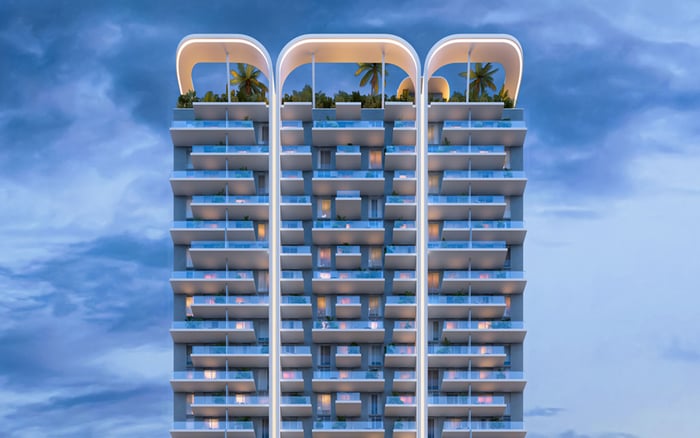
A buyer-focused comparison of Mr. C Residences Boca Raton and 619 Residences by Foster + Partners + Nobu Hospitality through the lens of art logistics, freight access, and storage discipline.

For a high-net-worth buyer comparing Mr. C Residences Boca Raton with 619 Residences by Foster + Partners + Nobu Hospitality, the decisive question is not simply which name carries more allure. At this tier, architectural promise and hospitality association can both be compelling. The sharper test is operational: how a residence receives important objects, protects them in motion, and supports them after installation.
That matters because serious homes are not furnished in a single afternoon. They are composed over time, often with art, design, antiques, custom millwork, wine, wardrobe archives, and seasonal pieces moving in and out of the property. A buyer who asks only about views, finishes, and arrival sequence may miss the systems that determine whether the home functions with quiet authority.
At the upper end of South Florida new-construction and pre-construction demand, the conversation should become precise. Some buyers will frame the search as boutique intimacy versus global polish, or as a penthouse and terrace question rather than a conventional floor-plan exercise. Those labels matter less than the building’s capacity to handle fragile, oversized, and climate-sensitive possessions without improvisation.
Art installation reveals the difference between a beautiful residence and a well-prepared one. A collector should ask how a large work travels from the street to the wall. The answer should account for loading access, ceiling clearances, elevator dimensions, corridor turns, service scheduling, wall construction, lighting, humidity tolerance, insurance requirements, and protection protocols for common areas.
The right fit may depend on the buyer’s collection. A home with mostly framed works has different needs from one with sculpture, stone, bronze, large-format photography, or textile pieces. A residence with a dramatic entry wall may still be challenging if the approach route includes tight turns or if installation hours are too limited. Conversely, a quieter plan may outperform expectations if the back-of-house route is clean, supervised, and predictable.
For Mr. C Residences Boca Raton, the buyer should examine how the residence supports a service-led lifestyle in practical terms, not just in tone. For 619 Residences by Foster + Partners + Nobu Hospitality, the buyer should make the same inquiry around design intent and residential operations. In both cases, the question is not whether the address feels elevated. It is whether the building can absorb the realities of ownership at this level.
Freight access is rarely the most glamorous line in a sales conversation, yet it can determine daily satisfaction. Buyers bringing in museum-scale art, custom seating, stone tables, pianos, outdoor pieces, or multiple wardrobe trunks need more than a passenger elevator and goodwill. They need an access path that can be reserved, protected, staffed, and repeated without disrupting the residence or the building.
A disciplined buyer should request a clear explanation of the loading sequence. Where does the truck stop? Is there a covered path? What happens during rain? Are there time restrictions? Who supervises vendors? Are pads, corner guards, and floor protection required? How are elevator reservations handled during peak move-in periods? These questions are not minor. They are the difference between a seamless delivery and a costly logistical compromise.
The same thinking applies to departures. Art loans, seasonal relocation, repairs, framing changes, and estate planning can all require outbound movement. A building that is easy to move into but difficult to move out of is not truly collector-ready. The better fit is the one that treats freight as a core residential function rather than an exception.
Climate-controlled storage can be easy to overlook because it sits outside the visible drama of the residence. Yet for the right buyer, it is one of the most consequential features. South Florida living introduces heat, humidity, salt air, storm preparation, and seasonal occupancy patterns. Fine objects may require a more controlled environment than a standard closet, garage-adjacent cage, or unconditioned storage room can provide.
Buyers should distinguish between simple extra space and storage suitable for sensitive possessions. Wardrobe archives, art packing materials, rugs, documents, wine-related accessories, designer furniture, and replacement fabrics may all benefit from stable conditions. If a building offers storage, the buyer should ask where it is located, how access is controlled, whether the area is conditioned, and how it is protected during building maintenance or weather events.
The most elegant residence can begin to feel strained when the owner has no intelligent place for what is not currently on display. Climate-controlled storage supports rotation. It allows a home to breathe. It helps the owner avoid crowding a primary suite, service area, or guest room with items that deserve better handling.
The buyer leaning toward Mr. C Residences Boca Raton may be prioritizing a Boca Raton lifestyle, private residential rhythm, and a sense of hospitality that feels polished without needing to announce itself. For that buyer, the key due diligence is whether the building’s practical systems align with the ownership plan: frequent deliveries, rotating art, visiting family, seasonal residence, or a primary home with significant possessions.
The buyer drawn to 619 Residences by Foster + Partners + Nobu Hospitality may be responding to the combination of architectural authorship and hospitality identity. That buyer should be equally rigorous. A celebrated design name does not eliminate the need to verify freight, storage, installation conditions, and service protocols. In fact, a more design-conscious residence often demands a more careful installation plan, because every wall, reveal, and lighting decision becomes part of the composition.
Neither direction should be reduced to a generic brand preference. The superior fit is the one that supports the buyer’s real inventory of life: the pieces already owned, the pieces likely to be acquired, and the way the residence will be used over ten years rather than ten minutes.
Before signing, buyers should ask for the practical documents and conversations that clarify daily life. The most important items include move-in rules, vendor access procedures, storage specifications, elevator dimensions, insurance requirements, alteration policies, wall reinforcement options, art lighting flexibility, terrace delivery rules, and any limits on installation hours.
A buyer with outdoor sculpture or large terrace furniture should be especially attentive. Terrace access can introduce separate questions about wind, weight, drainage, surface protection, and how items reach the exterior space. A buyer considering a penthouse should go even further, because height, elevator routing, crane restrictions, and roof-level logistics can become more complicated.
The best luxury buildings make complex ownership feel effortless. That effortlessness is never accidental. It comes from systems, staff training, architectural foresight, and clear rules that protect both the owner and the property. In this comparison, the winning residence is not the one with the most seductive presentation. It is the one whose invisible infrastructure best matches the buyer’s visible life.
Which residence is the better choice for an art collector? The better choice is the one with the more suitable freight route, installation rules, storage conditions, and vendor access for the specific collection.
Why does freight access matter so much in a luxury residence? Large art, custom furniture, and fragile objects need predictable movement from truck to residence without tight turns, exposure, or scheduling uncertainty.
Should buyers ask about climate-controlled storage before contract? Yes. Storage quality can affect art, wardrobe, documents, rugs, and seasonal furnishings, especially in South Florida’s climate.
Is brand identity enough to decide between these two options? No. Brand and design matter, but the residence must also support the owner’s logistics, privacy, and maintenance expectations.
What should a buyer ask about art installation? Ask about wall structure, lighting flexibility, elevator dimensions, installer access, protection rules, and permitted work hours.
Does a penthouse require different due diligence? Often yes. Height, elevator routing, terrace logistics, and large-item delivery can be more complicated at the top of a building.
How important is terrace planning for collectors? Very important if outdoor furniture, sculpture, or planting is part of the lifestyle, since weight, wind, access, and protection rules may apply.
Can storage affect resale appeal? It can, particularly for buyers who value organization, seasonal use, art rotation, and the ability to keep the residence uncluttered.
What is the simplest way to compare the two residences? Map a real move-in scenario, from truck arrival to final placement, and compare which building handles each step with less friction.
When should this due diligence happen? It should happen before commitment, while the buyer can still negotiate, request clarification, or choose the residence that better fits ownership needs.
If you'd like a private walkthrough and a curated shortlist, connect with MILLION.
If branded residences are on your mind — as a home or as an allocation — we would be glad to share what we are seeing, privately.
Begin a quiet conversation