For a solo move after an international career, neighborhood choice is about more than an exceptional residence. From Brickell to West Palm Beach, consider the everyday routes, gathering places, and building culture that could help a new address become a familiar community.
Moving to South Florida alone after a career abroad raises a particular residential question: where will an independent life feel both private and connected? An exceptional apartment can provide comfort, but the neighborhood outside deserves equal scrutiny. The useful distinction is not between a quiet address and a fashionable one. It is between places you admire occasionally and places you will use every week.
If you are leaving an established professional circle overseas, make repeatable routines part of the property brief. A café you enjoy alone, an easily reached exercise venue, and a recurring activity worth returning to may matter as much as the view. These create opportunities for familiarity, not guarantees of friendship. No neighborhood can promise a social outcome.
Begin with the week you want to live. Decide how often you would like to leave home without needing a reservation, a car journey, or another person's availability. Then compare neighborhoods against that ordinary week rather than an idealized holiday.
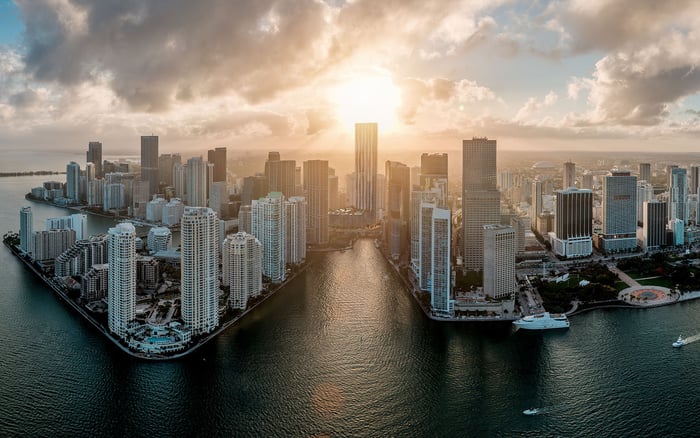
Brickell brings high-rise residences together with restaurants, cafés, fitness venues, nightlife, and proximity to Miami's financial district. For a buyer seeking professional energy and frequent reasons to step outside, that combination makes it a logical starting point. The free Metromover also connects the neighborhood with Downtown Miami.
The important test is whether this intensity suits your time alone. Walk your prospective morning coffee route, then return on a weekday evening. Would you enjoy the surroundings without a business dinner or visiting friends? An active district is most useful when its everyday rhythm matches your own.
When considering The Residences at 1428 Brickell, apply the same street-level test rather than treating the neighborhood name as a complete lifestyle description. Evaluate the exact route from the property to the places you expect to use; neighborhood-level walkability does not establish convenience at every entrance.
Coconut Grove offers a different setting: tree-lined streets, waterfront parks, independent restaurants, and a village-like atmosphere. If your preferred form of connection begins with returning to familiar places rather than pursuing nightlife, the Grove deserves consideration.
For a solo arrival, the practical question is whether you can imagine a satisfying day here without arranging company. Walk through the places you would use between appointments, not only those you would show a guest. Look for a routine that feels worthwhile in its own right.
A search that includes Arbor Coconut Grove should pair residential preferences with a close look at those everyday routes. The area has Metrorail access, with Miami Trolley and Metrobus connections linking the village and nearby stations. Check the actual journey from any prospective home rather than assuming the station is immediately convenient.
Wynwood concentrates murals, galleries, cafés, breweries, restaurants, and nightlife in an arts-oriented district anchored by Wynwood Walls. It may appeal if exhibitions, visual culture, and informal evenings are activities you would pursue whether or not you already know anyone locally.
For buyers considering Frida Kahlo Wynwood Residences, separate enthusiasm for the district from assumptions about the building's social life. Ask directly about resident programming and shared spaces. Neither an arts-oriented location nor a residential brand establishes how residents interact.
Downtown offers another urban proposition. Miami Worldcenter combines residential, retail, dining, and entertainment uses near Bayside Marketplace, the waterfront, and Kaseya Center. That concentration makes it relevant for someone seeking nearby activity. Distinguish the places you would revisit regularly from those you might attend only occasionally; entertainment access and a personally meaningful routine are not necessarily the same thing.
Las Olas brings residences, restaurants, boutiques, galleries, cultural venues, and waterfront access into a concentrated corridor. Access to Riverwalk, alongside activities such as walking, dining, markets, yoga, and community events, gives a newcomer several ways to explore local life without making every outing a formal occasion.
If Andare Residences Fort Lauderdale enters your search, evaluate your intended destinations individually. Consider which activities you would repeat and whether the route from the property makes that repetition appealing. A desirable district still needs to work at the scale of your own front door.
Flagler Village merits a separate visit. Its arts-oriented identity, neighborhood events, and newer residential development offer another setting to assess. Dog-friendly parks and event-oriented gathering spaces provide places for local interaction, while the Flagler Greenway accommodates walking, cycling, and dog-walking. Choose between these areas by the activities you genuinely enjoy, not by an assumed resident profile.
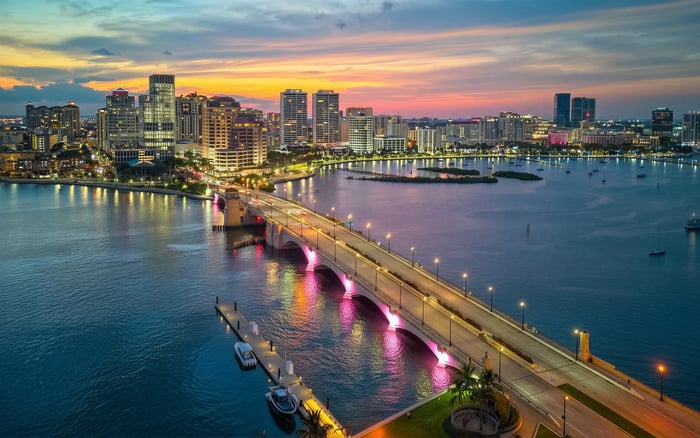
In West Palm Beach, CityPlace concentrates restaurants, retail, and nearby residential development in a pedestrian-oriented downtown setting. Nora is a distinct, pedestrian-first redevelopment district with restaurants, retail, and activity extending from daytime into evening. Do not treat the two as one interchangeable walkable location.
Visit each independently and map the destinations that interest you. If your residential search includes Mr. C Residences West Palm Beach, verify its relationship to your preferred district rather than assuming a shared city address means immediate walking access.
For someone arriving alone, this distinction matters: the venue you will use frequently carries more weight than the wider city's inventory of attractions.
A neighborhood can supply destinations; a building may offer another layer of everyday contact. During due diligence, ask whether resident events, shared workspaces, or lounges exist, how they operate, and whether programming recurs. These are questions to verify, not features to assume at any property mentioned here.
Ask about occupancy patterns as well. How does the building feel across the year, and when are shared spaces used? Request concrete explanations rather than accepting a general promise of community. Balance opportunities for contact with the privacy, acoustics, and retreat you expect from a luxury home.
Revisit your strongest candidates on weekday evenings and weekend mornings. Check routes to groceries, exercise, cafés, and recurring activities. Notice whether you want to linger, return, and establish habits there.
The right neighborhood need not supply an instant circle. It should support a life you enjoy while leaving room for relationships to develop, without making every encounter another logistical project.
Explore residences aligned with your next chapter through MILLION.
If branded residences are on your mind — as a home or as an allocation — we would be glad to share what we are seeing, privately.
Begin a quiet conversationThere is no universal best choice. Compare neighborhoods by the routines you enjoy, the destinations you would revisit, and the exact routes from a prospective home.
Brickell combines high-rise residences, restaurants, cafés, fitness venues, nightlife, and proximity to the financial district. It may suit someone seeking an active urban routine.
Coconut Grove offers tree-lined streets, waterfront parks, independent restaurants, and a village-like atmosphere. It provides a different setting from Brickell's high-rise urban energy.
Wynwood concentrates murals, galleries, cafés, breweries, restaurants, and nightlife around a district anchored by Wynwood Walls. Consider whether those are activities you would enjoy returning to regularly.
Miami Worldcenter brings residential, retail, dining, and entertainment uses together near waterfront attractions. That mix is worth evaluating if nearby daily activity is a priority.
Las Olas offers a concentrated corridor of dining, shopping, culture, and waterfront access. Flagler Village has an arts-oriented identity, neighborhood events, dog-friendly gathering places, and the Flagler Greenway.
No, they are distinct West Palm Beach districts and should be evaluated separately. Check each prospective home's actual relationship to the destinations you prefer.
No. Test specific journeys from the exact property, including walking routes and transit connections, rather than relying on a neighborhood's general reputation.
Ask whether resident events, lounges, or shared workspaces exist and how they are used. Also discuss occupancy patterns without assuming that amenities guarantee interaction.
Gathering places and recurring activities can provide opportunities for contact, but they do not guarantee friendships. Prioritize routines you enjoy independently while allowing relationships to develop.