A buyer-oriented guide for internationally mobile owners choosing a South Florida residence around seasonality, discretion, service, schools, airports, boating, wellness and neighborhood cadence.
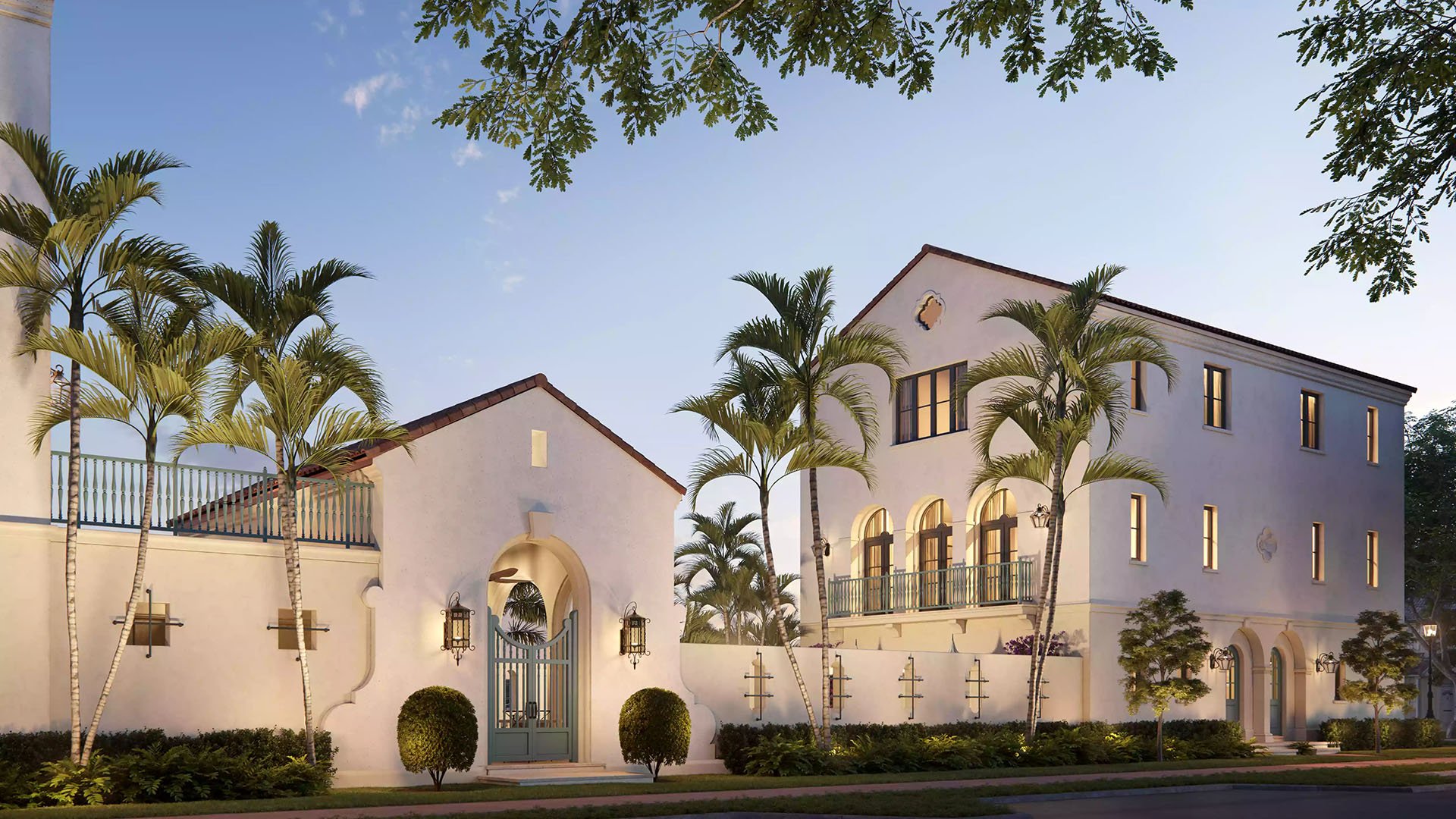
A polished second home is not chosen like a primary residence. The question is less, “How many bedrooms?” and more, “How will life actually unfold here?” For a Monaco-based, London-based or New York-based owner, South Florida works best when the home supports a repeatable sequence: arrival, reset, entertaining, wellness, family time, departure and an effortless return.
That rhythm is highly personal. Some buyers want a quiet Coral Gables base with walkable dinners, a private garden and a residential tempo that feels composed. Others prefer the clean convenience of a serviced high-rise near Brickell, where a late arrival can move from airport to valet to residence without friction. Others still want Miami Beach, where the day begins near the ocean and evenings can feel social without formal planning.
The strongest purchase begins with a calendar. Map the likely months of use, the frequency of weekend arrivals, the number of simultaneous guests and the level of staff support required. The property type then becomes clearer. A grand house, boutique condominium, branded residence and waterfront apartment each answer a different version of the same second-home question.
Second-home ownership rewards discipline. A beautiful residence that requires constant oversight can become a burden, while a more manageable home with the right services can feel quietly luxurious year after year.
Consider the moments before and after occupancy. Is there secure owner storage for clothing, sports equipment, wine, children’s items and seasonal tableware? Can the home be opened, cooled, cleaned and stocked before arrival? Is there a trusted building team, property manager or household staff structure to handle routine maintenance while the owner is away? These details rarely lead the first photograph, but they determine whether ownership feels smooth.
International buyers should also weigh the transition from private travel or commercial airport arrival to the front door. A residence may be architecturally exceptional, yet feel inconvenient if every arrival becomes a logistics exercise. In South Florida, ease of movement is a luxury category of its own.
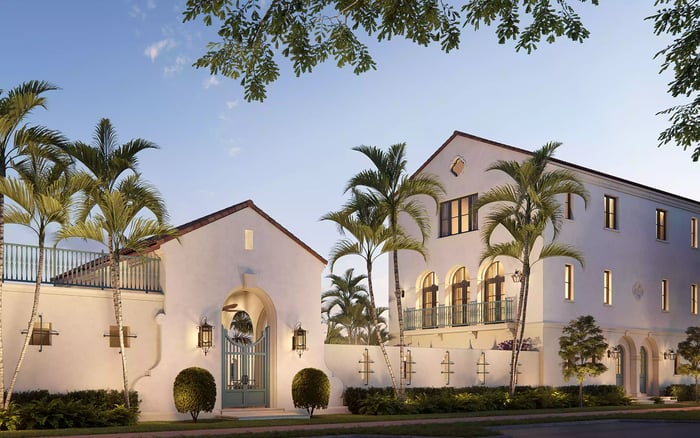
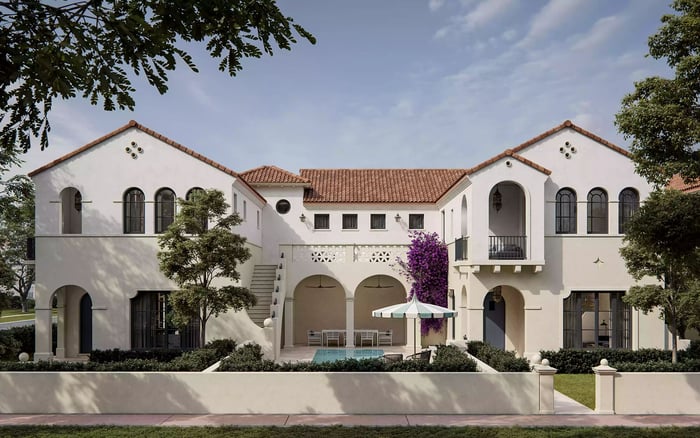
Coral Gables appeals to buyers who value order, greenery, privacy and an established residential atmosphere. It is not trying to imitate a resort. Its strength is its polish: shaded streets, cultivated dining, cultural proximity, family infrastructure and a slower elegance suited to owners who want South Florida without constant performance.
For a buyer moving between Monaco and Miami, Coral Gables can feel intuitive because it offers a civic sense of place. The appeal is not only the architecture of the home, but the way daily life can be arranged around appointments, school visits, lunches, errands, quiet evenings and guests who prefer refinement over noise.
Newer condominium options also allow buyers to stay within a low-maintenance ownership model while remaining close to the area’s residential character. A project such as Ponce Park Coral Gables can suit buyers who want a Coral Gables address with a more lock-and-leave mindset. Those studying a village-like setting may also consider The Village at Coral Gables as part of a broader comparison between home-like scale and condominium convenience.
Coconut Grove attracts buyers who want an informal, lush and highly livable version of Miami. It has a softer texture than Brickell and a more residential personality than many oceanfront neighborhoods. For owners who enjoy morning walks, garden views, boating culture and relaxed dining, Coconut Grove can feel like a natural extension of a Mediterranean lifestyle.
The Grove is especially compelling for buyers who are not trying to maximize spectacle. Its luxury is often expressed through canopy, proportion, privacy and atmosphere. A second home here should be evaluated for light, outdoor space, parking ease, building management and the quality of the arrival sequence. If the residence is a condominium, the building’s service culture matters as much as the floor plan.
Buyers considering this neighborhood often compare boutique residences with larger waterfront offerings. Four Seasons Residences Coconut Grove gives that comparison a branded-residence reference point, while keeping the conversation grounded in a neighborhood known for greenery and calm rather than pure vertical energy.
Brickell suits a different second-home rhythm. It is the choice for buyers who want convenience, dining, finance, wellness, private amenities and high-rise efficiency within an urban setting. The best Brickell purchase is not necessarily the highest or most dramatic residence. It is the one that shortens the distance between arrival and living.
For some owners, that means a building with strong valet operations, a refined lobby experience, staff familiarity and amenities that reduce the need for outside coordination. For others, it means proximity to offices, restaurants, private banking, medical appointments or family members living elsewhere in Miami.
The branded and design-led condominium landscape in Brickell gives buyers several ways to calibrate image and practicality. St. Regis® Residences Brickell may appeal to those who place service identity at the center of the brief, while buyers studying a more hospitality-driven downtown cadence might compare it with other urban residences before committing to a daily pattern.
Miami Beach remains the emotional choice for many global buyers. Its appeal is not merely water views. It is the ritual of the ocean: morning light, barefoot movement, long lunches, guests arriving easily and evenings that can shift from quiet to social without effort.
The key is to decide which version of Miami Beach fits the household. Some buyers want privacy, wellness and a quieter residential tone. Others want proximity to dining, hotels, clubs and cultural activity. The difference is significant. A home that feels thrilling during a three-day visit may feel exposed during a month-long stay if the neighborhood cadence does not match the owner’s temperament.
For ocean-oriented buyers, The Perigon Miami Beach can serve as a reference point in conversations about beachfront living, design expectations and the desire for a residence that feels both elevated and usable. The essential question remains simple: will the home make each arrival feel restorative, or will it create a schedule that needs constant management?
Waterfront homes and residences carry a special appeal for buyers accustomed to marina culture, coastal views and outdoor entertaining. Still, the romance of water should be balanced with practical evaluation. Access, exposure, maintenance, insurance considerations, building systems, dock logistics and storm preparation all affect ownership comfort.
For a condominium buyer, waterfront living can shift responsibility toward the association and building team, which may suit the second-home rhythm. For a single-family buyer, the privacy and control are greater, but so are the obligations. Neither model is inherently better. The right answer depends on whether the owner wants a turnkey refuge or a personally controlled estate.
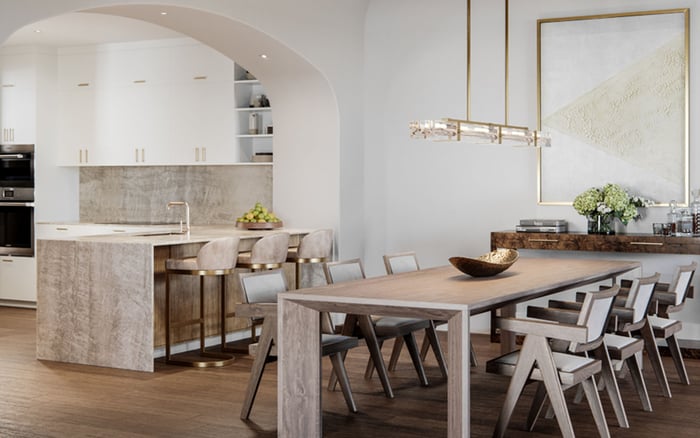
Lifestyle should shape the short list before finishes do. Marble can be changed. A compromised arrival sequence, poor storage or an inconvenient neighborhood fit is far harder to correct.
Ask how often guests will stay, whether children or grandchildren will visit, how formal entertaining will be, whether a chef’s kitchen is truly necessary and whether wellness is private, building-based or club-oriented. Consider pets, household staff, security preferences, art handling, wardrobe storage and car use. South Florida luxury is strongest when the home functions quietly in the background.
The best second homes do not feel like vacations every day. They feel like a reliable life that can be resumed without explanation.
Before making an offer, imagine three ordinary days rather than one perfect one. A rainy arrival after a long flight. A quiet Tuesday with no guests. A full house during the season. If the property still feels graceful in all three scenarios, it is likely aligned with the right rhythm.
For buyers moving between Monaco and Coral Gables, the objective is not to replicate one place in another. It is to create continuity: discretion, beauty, service, privacy and ease, translated into South Florida’s climate and culture.
What is the first decision for a South Florida second-home buyer? Start with how often and how long the home will be used. The ownership rhythm should guide the neighborhood, property type and service requirements.
Is Coral Gables a good fit for international buyers? Coral Gables can suit buyers seeking privacy, greenery, dining and a composed residential setting. It is often strongest for those who value daily ease over resort energy.
How does Coconut Grove differ from Coral Gables? Coconut Grove feels more lush and informal, with a softer neighborhood cadence. Coral Gables generally reads as more orderly and civic in character.
Why would a buyer choose Brickell for a second home? Brickell works well for owners who prioritize access, service, dining, amenities and urban convenience. It is especially practical for short, frequent stays.
Is Miami Beach better for lifestyle-driven buyers? Miami Beach can be ideal for buyers who want ocean ritual, social ease and a resort-like atmosphere. The exact location should match the owner’s tolerance for activity.
Should second-home buyers prefer condos or single-family homes? Condos can simplify maintenance and security, while single-family homes offer more control and privacy. The better choice depends on staffing, usage and desired responsibility.
What should waterfront buyers evaluate carefully? They should review access, maintenance, storm readiness, insurance considerations and building or property systems. Waterfront beauty should be matched by practical resilience.
How important are building services? For a second home, service quality can be decisive. Valet, security, management, storage and pre-arrival preparation shape the daily ownership experience.
Can a second home also be a long-term family base? Yes, if the location supports schools, healthcare, airport access, guests and everyday routines. The home should work beyond holiday moments.
What is the best sign a property fits the buyer? The right home feels effortless during arrival, ordinary days and full-house entertaining. It should support life without demanding constant attention.
For a discreet conversation and a curated building-by-building shortlist, connect with MILLION.
If branded residences are on your mind — as a home or as an allocation — we would be glad to share what we are seeing, privately.
Begin a quiet conversation