A practical framework for assessing a Design District residence through the lens of daily wellness, from the route outside to orientation, privacy, outdoor space, and nearby alternatives.
For a wellness-focused buyer, the central question is not whether a residence appears serene during a presentation. It is whether the home supports the sequence of an actual day: an early walk, private training, a quiet breakfast, focused work, an afternoon appointment, and restorative time outdoors.
This is a buyer's guide in which personal habits should lead the property search. Document the routine first, including preferred times, duration, equipment, transportation, and tolerance for interruption. Then assess each residence against that pattern. This discipline prevents an attractive feature from being mistaken for a useful one.
“Wellness” can encompass very different priorities. One buyer may value uninterrupted sleep and acoustic privacy. Another may prioritize a generous training area, convenient appointments, or an effortless outdoor circuit. A third may care most about natural light, fresh-air access, and a calm transition from car to residence.
Separate essentials from preferences. If outdoor exercise is essential, examine the full route rather than the map alone. If recovery at home is central, study privacy, bathroom planning, storage, temperature control, and the relationship between active and quiet rooms. A project such as Kempinski Residences Miami Design District may enter the consideration set, but the buyer's own routine remains the governing brief.
A polished daytime visit reveals only one version of a location. Return at the times you expect to leave for exercise, arrive home, entertain, or sleep. Observe traffic movement, service activity, lighting, perceived noise, shade, landscaping, and the comfort of the walking route. These are matters for direct due diligence, not details to infer from a rendering.
Walk the route in both directions. Note crossings, pauses, sun exposure, and points where a pleasant plan becomes inconvenient. Buyers sensitive to air quality or sound should consider specialist testing and repeat observations under varying conditions. The aim is not to declare the Design District universally suitable or unsuitable. It is to determine whether a particular address works for a particular body clock.
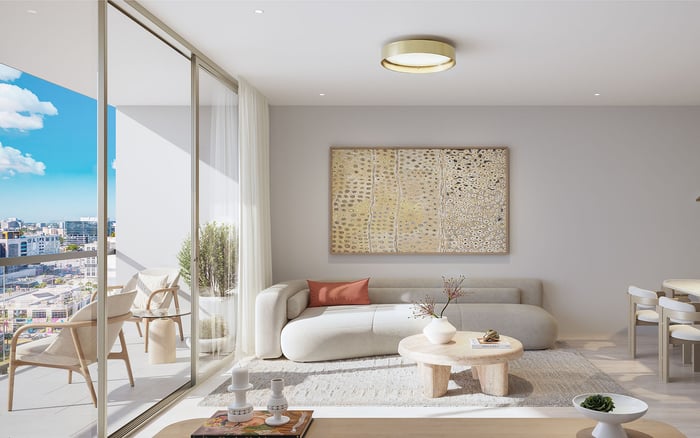
Inside the home, orientation warrants close attention. Visit the exact residence when possible and observe the light at more than one hour. Consider glare, heat, privacy, neighboring sightlines, and how curtains or shading may alter the atmosphere. A beautiful view has value, but it should not compromise sleep or make a room difficult to use.
Treat the balcony as part of the plan, not merely as a photograph. Ask whether its depth, exposure, privacy, and connection to the interior support the way you intend to use it. Then examine acoustic separation, bedroom placement, kitchen ventilation, equipment storage, and circulation between dressing, bathing, training, and rest.
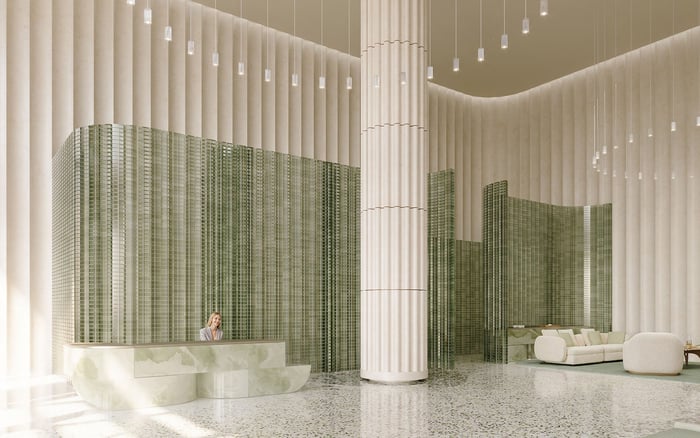
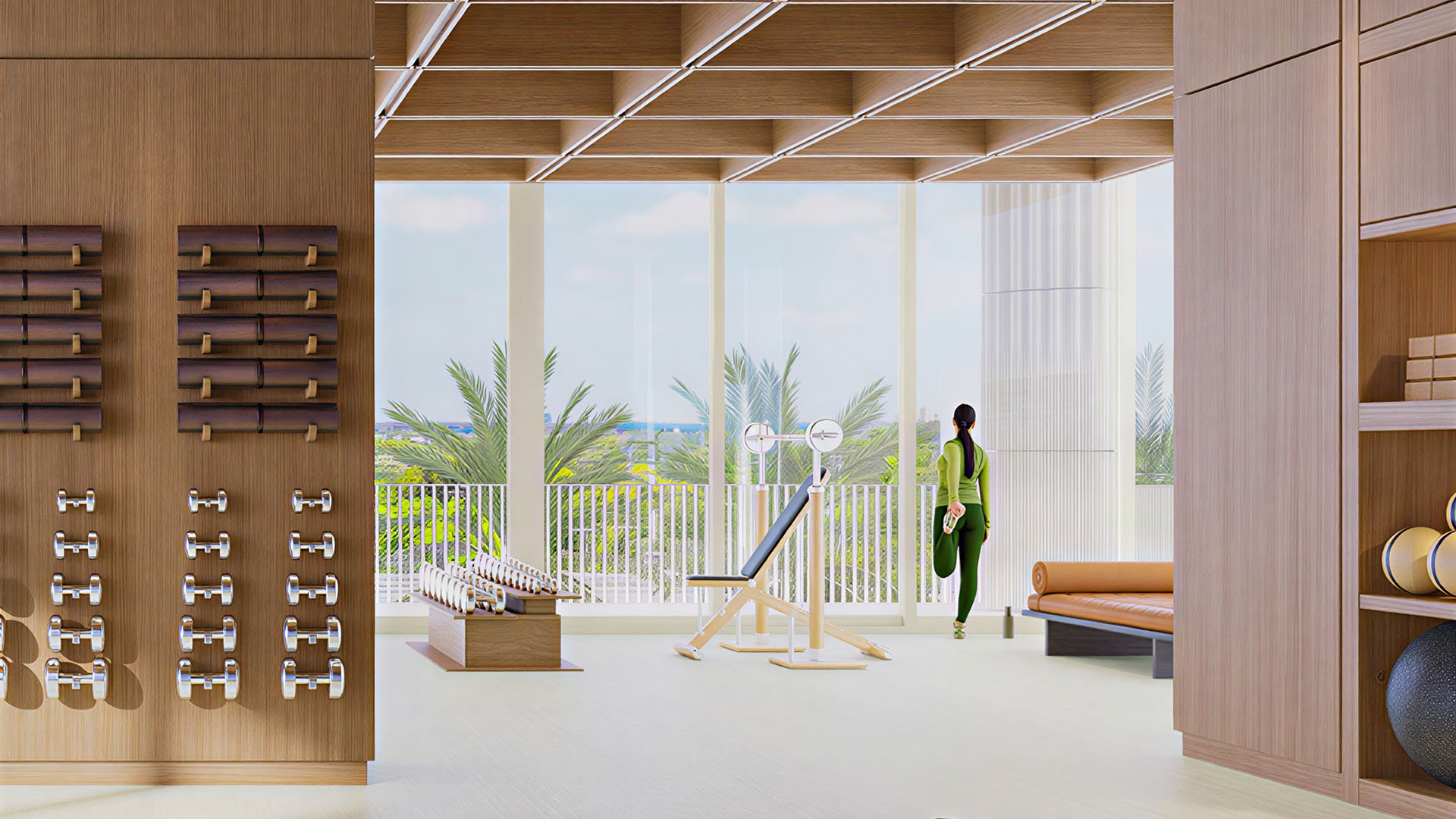
Shared spaces also demand practical scrutiny. Confirm access rules, reservation procedures, operating hours, guest policies, cleaning schedules, and the route from the residence to each space. The relevant measure is not how many amenities appear in a brochure, but how reliably they support the resident's lifestyle.
A Design District search can benefit from a controlled comparison. The objective is not to expand the search indiscriminately, but to identify which trade-offs matter. Miami Tropic Residences offers another Miami candidate to consider alongside the core search, while EDITION Edgewater and Lilli Miami Edgewater can frame an Edgewater comparison.
Buyers also considering Wynwood might review Frida Kahlo Wynwood Residences as a distinct residential option. Compare every candidate using the same worksheet: morning route, appointment access, arrival experience, unit orientation, outdoor use, privacy, recovery spaces, and friction points. Consistent criteria prevent architectural novelty from redirecting the search midway through the process.
Schedule at least two purposeful visits to any finalist. During one, simulate a weekday morning. During another, test the evening arrival and the hours when you expect the home to be quiet. Time the transitions that matter, including elevator travel, parking, entry, and the route to each shared space.
Bring the appropriate advisers when concerns are technical. Depending on the residence and the buyer's priorities, that may include an inspector, acoustic consultant, indoor-air specialist, architect, or attorney. Review governing documents and written specifications carefully. Verbal impressions are no substitute for documents, measurements, or professional evaluation.
The strongest residence is the one that makes preferred habits easier to repeat. Create a weighted scorecard, give nonnegotiable items greater influence, and record observations immediately after each visit. If a home performs beautifully only under ideal conditions, revisit it. Wellness-oriented ownership depends less on symbolic features than on a dependable relationship among location, building operations, residence planning, and daily behavior.
Should wellness amenities determine the purchase? No. Assess them alongside the residence, operating rules, access, privacy, and the buyer's actual frequency of use.
How many times should a buyer visit a finalist? At least two purposeful visits can reveal different conditions, though additional visits may be appropriate for sensitive concerns.
Why does unit orientation matter? Orientation can influence light, glare, privacy, outdoor comfort, and how rooms feel at the hours they will be used.
What should buyers observe on a walking route? Review crossings, shade, traffic movement, noise, landscaping, perceived air conditions, and the ease of the return journey.
Is a balcony automatically a wellness benefit? No. Its usefulness depends on exposure, privacy, dimensions, comfort, and its relationship to the interior plan.
How should amenity rules be evaluated? Request written details on hours, reservations, guests, access, maintenance, and any limitations that could affect routine use.
Should Edgewater be part of the comparison? It can be included when a buyer wants to test a different residential context against the same wellness criteria.
Should Wynwood be considered separately? Yes. Treat it as a distinct candidate and repeat the same visits, route tests, and residence-level review.
When is specialist advice useful? Consider it when acoustics, indoor air, construction, legal documents, or building systems materially affect the decision.
What is the best final decision tool? Use a weighted scorecard based on nonnegotiable routines, documented observations, technical review, and realistic trade-offs.
When you're ready to tour or underwrite the options, connect with MILLION.
If branded residences are on your mind — as a home or as an allocation — we would be glad to share what we are seeing, privately.
Begin a quiet conversation