Moving a primary residence from Seattle to Fisher Island requires more than a purchase or a favorable day count. Florida domicile, homestead eligibility, Washington capital-gains-tax residency, and everyday records should reflect the same genuine transition.
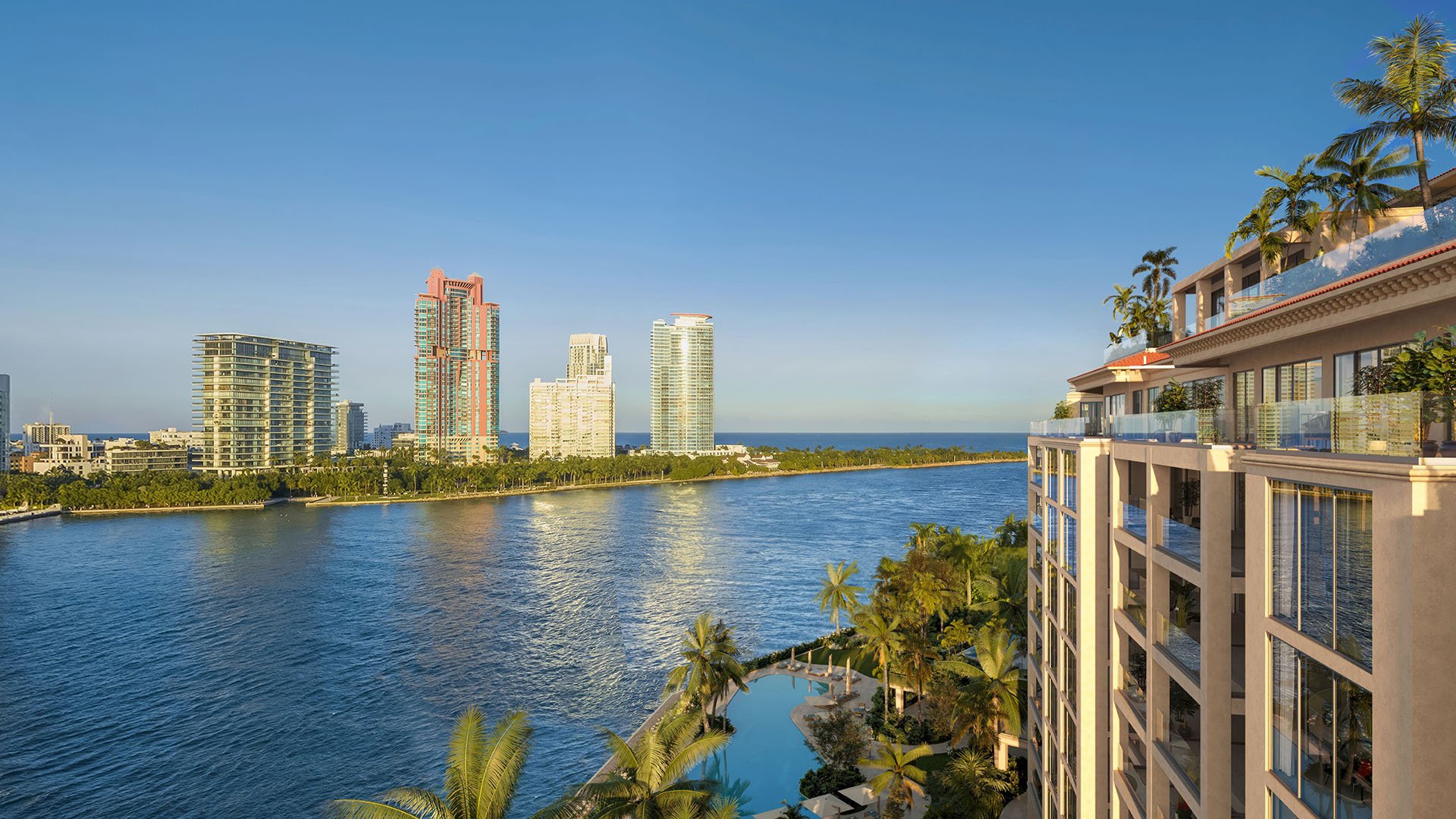
For a Seattle household making Fisher Island its primary residence, the central decision is not simply which property to acquire. It is where the household genuinely intends to make its permanent home-and whether daily life and documentation support that intention. A purchase establishes ownership. It does not, by itself, establish domicile.
Florida residency centers on making the state your true, fixed, and permanent home and principal establishment. For a buyer considering Palazzo del Sol Fisher Island, that distinction belongs in the planning conversation alongside the residence itself. The question is not merely whether the property suits extended stays, but whether it will become the household’s principal home.
A well-organized transition has three parts: a genuine change of permanent home, a reliable travel record, and documents that accurately reflect the move. None substitutes for the others.
Florida has no general minimum-day requirement for domicile. Spending 183 days in Florida does not, on its own, establish it. A calendar can document physical presence, but it cannot replace the underlying intention to make Florida home.
Washington’s capital-gains-tax residency analysis asks a different question. Washington domicile is one route to resident status, separate from its physical-presence test. The alternative test covers someone who maintained a Washington abode for any portion of the taxable year and was physically present in Washington for more than 183 days during that year.
Both parts of that alternative test matter, as does the precise phrase “more than 183 days.” It should not be rewritten as “183 days or more” or presented as a universal residency rule for every Washington tax or legal question.
Crucially, remaining below that threshold does not, by itself, resolve whether someone remains domiciled in Washington. Additional Florida days do not automatically settle a household’s Washington position. Florida and Washington counsel should evaluate the actual transition together, particularly when Seattle housing remains available.
For a household moving between residences, business destinations, and international travel, a contemporaneous calendar is a practical recommendation, not a statutory checklist. It should preserve what happened before anyone determines how a particular day should be legally counted.
Record physical locations, overnight stays, departure and arrival details, transit stops, foreign travel, and time aboard vessels. Keep overnight totals separate from any legally classified day count. Do not assume that a night outside Washington determines the treatment of a day that included time there. Have counsel confirm how partial days and transit should be treated.
Useful corroboration can include itineraries, hotel invoices, card statements, aviation manifests, marina records, and Fisher Island access records where available. Retain these alongside the calendar rather than reconstructing an entire year later.
Reconcile completed travel regularly and mark future trips as provisional. The calendar should distinguish a planned Seattle visit from one that actually occurred. Its purpose is accuracy, not a reassuring total.
The property purchase date, first occupancy, claimed domicile-change date, license issuance, and homestead-filing date are distinct events. Record them separately rather than collapsing them into a single convenient anniversary.
For someone evaluating The Residences at Six Fisher Island, the planning question is when the household will actually begin using its Florida residence as its permanent home. Property selection and domicile planning should inform one another; a transaction date does not, by itself, answer a residency question.
Prepare a brief chronology identifying the former permanent residence, when that residency is claimed to have ended, and the facts supporting the Florida move. The previous out-of-state residence and the date residency ended are relevant evidence in Florida’s homestead determination.
If Seattle housing is retained, describe its actual use consistently. Continuing to call it the primary residence while claiming Fisher Island as the permanent home creates an inconsistency to resolve with advisers. Descriptions should follow reality, not lead it.
Florida’s homestead rule requires residence at the property with a present intention of living there indefinitely and no present intention of moving away. Eligibility generally requires ownership and permanent residency on January 1, together with an application to the county property appraiser.
For a household considering Palazzo della Luna Fisher Island, the distinction is between acquiring a residence and satisfying the requirements for a homestead claim. A purchase alone should not be treated as proof of eligibility.
A Declaration of Domicile, qualification for homestead exemption, and Florida voter registration can help establish residency. A Florida driver license also indicates intent, but does not conclusively establish residency on its own. Florida’s permanent-residency determination considers multiple factors; no single statutory factor is conclusive.
Treat the application as part of the same factual record as the travel calendar and move chronology. Confirm eligibility and filing requirements with the property appraiser and advisers rather than assuming one document settles every residency issue.
The strongest record is more than a collection of updated addresses. Florida’s permanent-residency factors include employment location and dependent children’s school registration, alongside formal documentation. A genuine relocation should be assessed in the context of how the household actually lives.
When weighing The Links Estates at Fisher Island, consider whether the intended residence fits that everyday pattern. The property decision should support the move, not stand in for it.
Review administrative details with equal care. Relevant Florida factors include a valid Florida driver license and evidence of relinquishing another state’s license, Florida vehicle registration, and voter-registration address information. Federal income-tax return addresses, bank-statement and checking-account addresses, and utility payments at the claimed permanent residence also matter.
Continued use of a Seattle address on important records is therefore relevant to the overall picture. Identify discrepancies, understand why they exist, and make accurate updates where appropriate. The objective is truthful consistency, not cosmetic uniformity.
Before treating the transition as complete, bring the calendar, supporting travel records, domicile declaration, homestead application, retained Seattle housing arrangements, and tax filings into one coordinated review with Florida and Washington counsel.
The goal is a coherent explanation of where the household’s permanent home is now, when the change occurred, and how conduct supports it. A carefully chosen Fisher Island residence can anchor that transition, but neither the address nor the day count does the work alone. This is a planning framework, not individualized legal or tax advice.
For a considered approach to selecting your Fisher Island residence, explore MILLION.
If branded residences are on your mind — as a home or as an allocation — we would be glad to share what we are seeing, privately.
Begin a quiet conversationNo. Ownership alone does not establish domicile; Florida must become your genuine permanent home and principal establishment.
Florida has no general minimum-day requirement for domicile. Spending 183 days there does not establish it by itself.
The alternative test covers someone who maintained a Washington abode for any portion of the taxable year and was physically present there for more than 183 days that year.
No. Washington domicile is a separate route to capital-gains-tax resident status, so remaining below the physical-presence threshold does not resolve domicile.
Do not assume they are equivalent. Preserve location and travel details, and have counsel confirm the treatment of partial days and transit.
Useful records include itineraries, hotel invoices, card statements, aviation manifests, marina records, and Fisher Island access records where available. Maintain them contemporaneously with the calendar.
No. Record the purchase, first occupancy, claimed domicile change, license issuance, and homestead filing separately, supported by the actual transition.
Eligibility generally requires ownership and permanent residency on January 1, plus an application to the county property appraiser. The residence must be occupied with a present intention of living there indefinitely.
No. It indicates intent, but Florida considers multiple permanent-residency factors and no single statutory factor is conclusive.
Describe its actual use consistently and review it alongside the Florida move and travel record. Do not assume that a Florida address or a favorable day count resolves Washington capital-gains-tax residency.