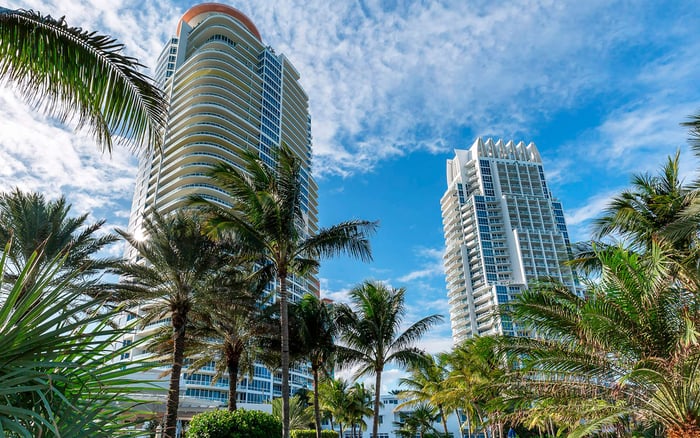
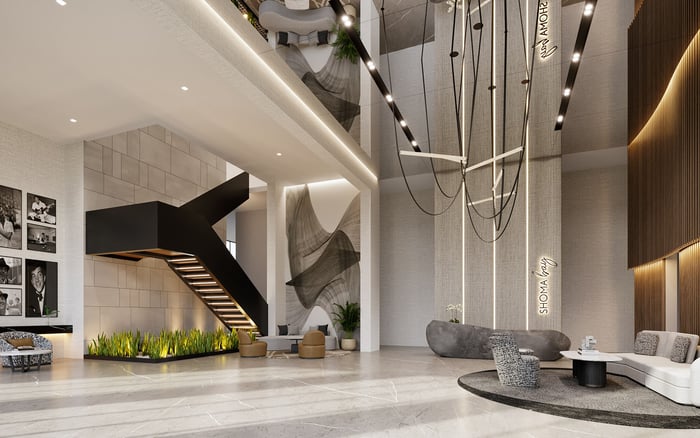
A disciplined insurance review for Tula Residences North Bay Village should reconcile reconstruction value, code-upgrade protection and responsibility for interior finishes before treating the master policy and owner coverage as a complete program.

For a family office considering Tula Residences North Bay Village, insurance diligence belongs alongside contract review and capital planning. The essential question is not simply whether the building carries insurance, but whether the association and owner policies address the property each party must restore-at defensible values and with clearly understood retained exposure.
Tula’s master-policy limit, insurer, deductibles, ordinance-and-law limits and unit-owner allocation remain questions to resolve through document review. Nothing here establishes that the property is underinsured or that a particular improvement lacks coverage. The task is to replace assumptions with a coherent file before making an acquisition decision.
Begin with the declarations, complete policy forms and endorsements, replacement-cost appraisal, deductible schedule, five-year loss runs, open claims and renewal terms. Read them alongside the condominium declaration, unit-boundary definition and insurance responsibility matrix. A limit without its coverage terms is not a complete answer.
Test the master-policy valuation against a current reconstruction estimate, not the purchase price or anticipated resale value. Market value and rebuilding cost answer different questions. A premium paid for a residence does not establish how much insurance its structure requires.
Ask the valuation team to identify allowances for demolition, debris removal, professional fees, permitting and restoration logistics. Then have the insurance adviser reconcile those assumptions with the policy’s limits, sublimits and exclusions. The objective is to distinguish what the estimate includes from what the insurance contract covers.
Have counsel confirm the association’s applicable property-insurance obligations under current Florida condominium law. Keep that legal review separate from verification of Tula’s insured value and the terms governing a particular loss.
For comparison with Shoma Bay North Bay Village, use the same document checklist rather than treating one building’s coverage as evidence of another’s. Comparable diligence is useful; presumed policy equivalence is not.
Ordinance-and-law coverage concerns increased rebuilding costs attributable to applicable laws and building codes. It is distinct from replacing damaged property with materials of like kind and quality. The reconstruction estimate and code-compliance exposure therefore warrant separate review.
Request the actual endorsement and identify the applicable protection for demolition and increased construction costs. Ask how the limits apply, which conditions trigger coverage and what exclusions restrict recovery. Answer these questions from the operative contract, not a general description of the insurance program.
Do not assume a 25% ordinance-and-law limit applies to Tula’s master policy. Ask counsel and the insurance adviser to distinguish any applicable legal requirements from the protection documented in the commercial condominium policy.
The investment memorandum should record the verified endorsement, its limits and any unresolved questions. Until those documents are reviewed, code-upgrade protection remains an open diligence item, not a presumed benefit.
For insurance allocation, executed contractual specifications are more useful than descriptive marketing language. Obtain the original finish schedule, applicable amendments and approved upgrade records, then reconcile them with what is actually delivered. Check the executed documents for any provisions governing developer modifications.
Have counsel identify how current law and the operative documents allocate originally installed property, like-kind replacements, alterations and additions. Do not treat original installation as sufficient evidence that every interior feature belongs under the master policy.
The allocation file should include the declaration, unit-boundary definition, insurance exhibit and a written responsibility matrix. For each finish or improvement, identify who must insure it, who bears reconstruction responsibility and which policy is expected to respond. Have counsel and the insurance adviser resolve discrepancies rather than leave competing interpretations in separate files.
An interior’s visual continuity can conceal a fragmented insurance allocation. Do not presume that flooring, countertops, cabinetry, lighting and appliances are protected by the master policy merely because the developer delivered them.
Ask counsel and the insurance adviser to check applicable exclusions for floor, wall and ceiling coverings; electrical fixtures; appliances; water heaters and filters; built-in cabinets and countertops; and window treatments serving only the unit. Record the allocation for each item rather than relying on a general description of original finishes.
Separately identify unit-only improvements installed by an owner or developer that differ from standard original construction. Confirm who must insure and reconstruct them; neither their installer nor their delivery date should substitute for that review.
Build a replacement-cost inventory of owner-assigned finishes and improvements. Retain specifications, invoices and approvals where available. For planned alterations, have counsel confirm applicable approval requirements and restrictions concerning the safety or soundness of common elements or association-maintained property.
HO-6 is condominium unit-owner insurance, often described as walls-in coverage. That shorthand does not replace a review of the policy and the association allocation. Do not assume the association policy covers an owner’s personal belongings or owner-installed upgrades.
Evaluate the HO-6 building-property limit against the finishes and improvements assigned to the owner. Reviewing only personal-property and liability limits can leave interior reconstruction exposure unresolved. Reconcile building property, personal property, loss of use, liability and loss assessments as separate components.
Loss-assessment protection requires its own review. Ask counsel and the insurance adviser to confirm applicable requirements and the policy’s treatment of assessments and master-policy deductibles. Confirm the limits, exclusions and circumstances in which the owner policy responds.
Verify flood and wind independently, including policy forms, exclusions, deductibles and responsibility. Neither peril should be treated as fully insured simply because both an association policy and an HO-6 policy exist.
For a portfolio extending to Miami Beach, including consideration of The Perigon Miami Beach, the discipline remains the same: reconstruct each property’s insurance allocation from its own documents. This is a review framework, not a statement about any comparison property’s coverage.
A useful final memorandum separates verified protection, owner-funded exposure and unresolved issues. It should connect the reconstruction valuation to the master policy, the finish inventory to the HO-6 policy, and potential assessments to the applicable limits and exclusions. Require legal conclusions to reflect current statutory text and operative documents.
The result is not a promise that every loss will be insured. It is a more precise understanding of what the family office is buying, what it must insure separately and what risk it is choosing to retain.
For a discreet conversation about your South Florida residential acquisition, connect with MILLION.
If branded residences are on your mind — as a home or as an allocation — we would be glad to share what we are seeing, privately.
Begin a quiet conversationNo. Tula’s master-policy limits, deductibles and coverage allocation remain document-dependent questions, and this framework does not establish a policy deficiency.
Request declarations, complete forms and endorsements, the replacement-cost appraisal, deductible schedule, five-year loss runs, open claims and renewal terms.
The valuation review should compare the insured limit with a current reconstruction estimate, not the residence’s purchase price or market value.
It addresses increased rebuilding costs attributable to applicable laws and building codes. Review the actual endorsement for demolition and increased construction-cost protection.
No. Verify the limit in the actual master-policy endorsement and have counsel confirm any applicable legal requirements.
Do not assume developer delivery establishes coverage. Have counsel and the insurance adviser verify the allocation and applicable exclusions for each finish.
They help distinguish standard construction from unit-specific improvements and support the responsibility review. Original-installation status alone does not establish coverage.
Compare it with the replacement cost of finishes and improvements assigned to the owner. Review personal property, loss of use and liability separately.
No such assumption should be made. The owner policy’s limits, exclusions and response to master-policy deductibles require specific review.
Yes. Verify each peril’s policies, exclusions, deductibles and allocation of responsibility rather than assuming the master policy and HO-6 provide complete protection.