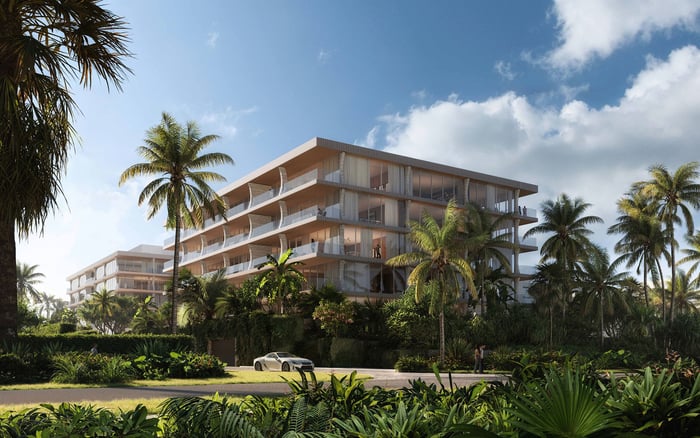
Moving from Toronto to a primary residence in Boca Raton calls for more than selecting an address. Coordinate closing liquidity, insurance confirmation, title questions and negotiated financing protections with Florida’s homestead calendar.
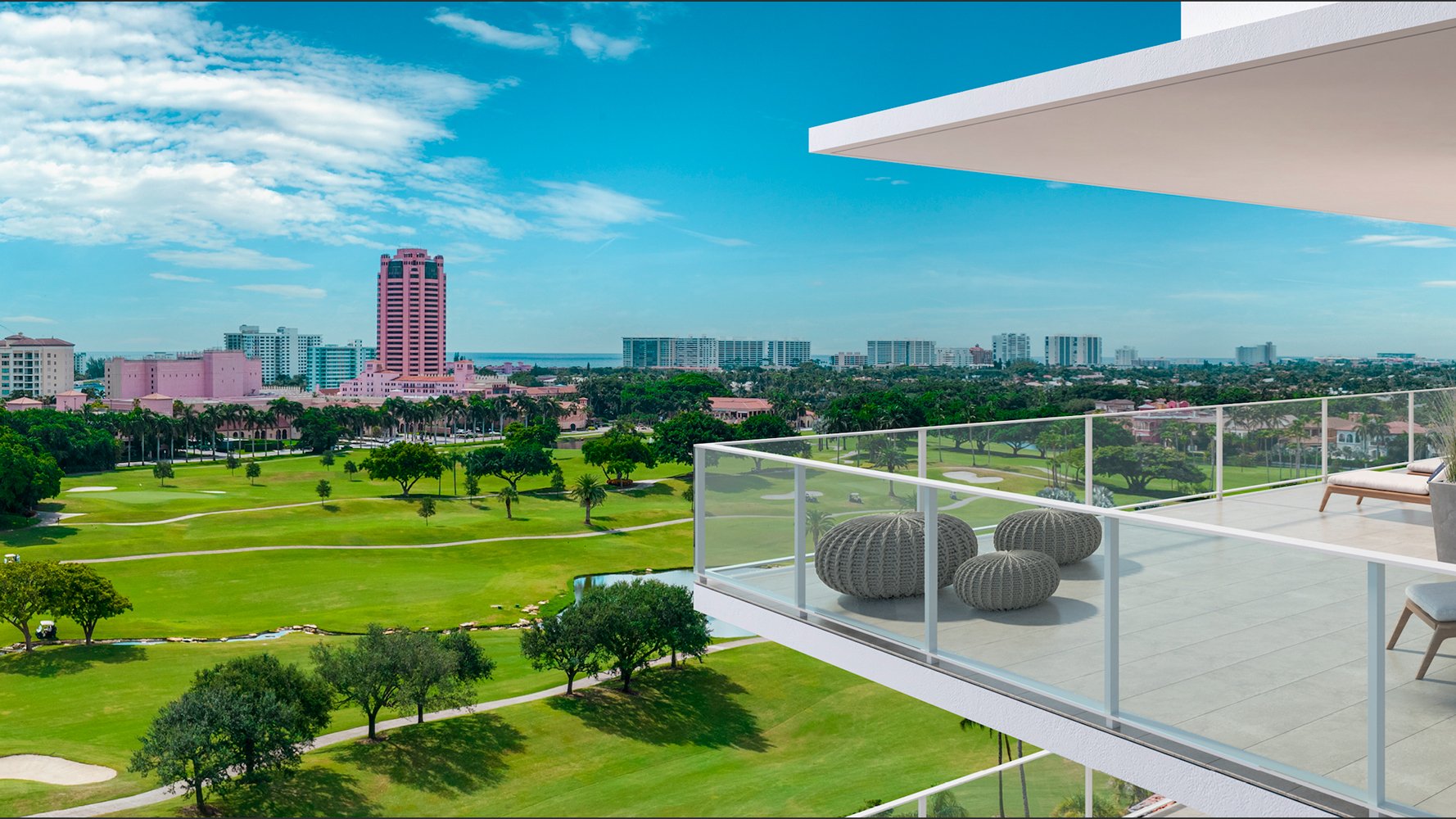
Making Boca Raton your primary residence after Toronto is different from acquiring a winter retreat. The objective is not simply to secure a beautiful home, but to coordinate the purchase, financing, insurance and residency documentation around a genuine change in daily life.
For a buyer considering Alina Residences Boca Raton, the most useful preparation is a transaction calendar paired with a property-specific cash plan. Neither the residence’s appeal nor the buyer’s financial strength substitutes for written confirmation of what must be satisfied before closing.
Treat the following as a planning framework, not a statement of automatic contractual rights. Confirm reserve requirements, insurance conditions and available protections for the particular property, loan and signed agreement.
A disciplined budget separates three categories: money needed to complete the purchase, reserves the lender may require, and the cash cushion you choose to retain afterward. Combining them into one estimate obscures which funds are committed and which remain available.
Request an itemized closing estimate from the professionals handling the transaction. Ask them to identify applicable financing charges, title and settlement expenses, prepaid insurance, tax-related amounts and association charges rather than apply a generic percentage to the purchase price. These are questions for the transaction team, not assumptions that every charge applies.
Separately, ask the lender to specify any post-closing reserve requirement and the documentation it will accept. For funds held in Canada, obtain written guidance on acceptable account evidence and transfer timing before moving capital.
Finally, choose a personal liquidity cushion with your advisers. Model the effect of a higher insurance quote, an unexpected transaction expense or a delayed move. The aim is not an arbitrary reserve figure, but clarity about what remains available after all confirmed obligations are paid.
An initial insurance quotation is not the end of the review. Ask the insurance professional to identify outstanding issuance conditions, the intended effective date, the coverage being arranged and the evidence your lender expects. Place those items alongside the contract calendar.
Florida requires insurers to offer discounts for measures that protect homes against hurricane-force winds. A Wind Mitigation Notice of Premium Discount Form must accompany each new homeowners policy and renewal. Ask which documented protective features qualify and whether the proposed premium reflects them. Do not assume a particular saving.
Wind and flood coverage also warrant coordinated review. Where an insurer issuing wind coverage also requires flood insurance, it must verify that flood coverage exists when issuing or renewing the policy. Ask whether that requirement applies to the proposed coverage and what confirmation is needed.
If Glass House Boca Raton is on your shortlist, apply the same discipline: request property-specific insurance information rather than infer insurability, premiums or lender acceptance from the project’s presentation. Establish the actual binding timetable with the insurer and lender; do not assume a universal deadline.
Flood review should go beyond a casual assessment of proximity to water. Ask the lender to document the property’s flood determination and explain the requirements of the proposed loan program, including whether coastal-barrier or otherwise protected-area designations affect coverage.
For an attached condominium, ask whether the applicable financing requirements call for verification of association-level flood insurance. If they do, have the lender confirm that the association’s coverage is appropriate. Do not assume an individual policy answers every association-level question.
Keep three questions distinct: what coverage the buyer should arrange, what coverage the association maintains, and what evidence the lender needs. Requirements vary by financing program. A written answer for the proposed loan is more useful than a broad statement about what lenders generally accept.
Title review deserves its own place on the purchase calendar, not a final-day conversation. Ask your Florida real-estate attorney to explain the title materials, identify matters requiring attention and distinguish issues that must be resolved from those you would be accepting.
Request a plain-language explanation of any listed exceptions, restrictions or other matters counsel considers relevant to ownership and intended use. Then ask how the agreement addresses objections, responses and unresolved issues. These are review requests, not a claim that every contract provides the same procedure or remedy.
Before releasing a contingency or authorizing closing, seek counsel’s confirmation that outstanding title questions have been addressed to your satisfaction. If more time or a different protection is needed, discuss whether an amendment can be negotiated. Do not presume an extension or cancellation right exists.
Ask counsel and the lender to compare the financing language with the actual approval process. Identify what remains open, who must supply it and whether the contract timetable accommodates the work.
For a purchase at The Residences at Mandarin Oriental Boca Raton, as for any other candidate property, ask whether insurance, association documentation or other property-specific reviews remain unresolved before treating financing as settled. This is a diligence question, not a statement about that project’s eligibility.
If protection against an unresolved approval is important, have counsel propose precise language for negotiation. Ask what notice would be required, which deadline would apply and what would happen to the deposit. None of those protections should be assumed merely because financing is contemplated.
For Palm Beach County homestead eligibility, ownership, permanent Florida residency and use of the property as the permanent residence must be established as of January 1. Purchasing a home does not automatically secure the exemption; the property appraiser determines eligibility after application and supporting documentation.
The standard filing deadline is March 1 of the year the exemption will apply. Missing it generally waives that year’s exemption, subject to applicable late-filing relief. Applications can be submitted electronically, at a property-appraiser service center or by completing and printing the application for mailing.
Prepare applicable residency evidence, including Florida driver’s-license, vehicle-registration and voter-registration records where relevant to the applicant. Review any residency-based exemption received by an owner, spouse or co-owner on another property in Florida or another U.S. state.
Do not treat those provisions as an answer about a Toronto property or Canadian tax residency. Address the cross-border position separately with qualified advisers. The strongest transition plan aligns the closing calendar, documented residency and personal move without allowing one to stand in for another.
For a considered approach to your Boca Raton home search, explore MILLION.
If branded residences are on your mind — as a home or as an allocation — we would be glad to share what we are seeing, privately.
Begin a quiet conversationBuild the amount from an itemized transaction estimate rather than a generic percentage. Separate closing funds from any lender-required reserves and your personal post-closing cash cushion.
Ask the lender what account documentation it accepts and what transfer timing it needs. Obtain those answers before moving capital.
Confirm them while reviewing the purchase timetable, not as a final-day task. Ask the insurer and lender to identify issuance conditions, the effective date and required evidence.
Florida requires insurers to offer discounts for qualifying hurricane-protection measures. Ask which documented features qualify and whether the quotation reflects them.
Yes. Where an insurer issuing wind coverage also requires flood insurance, it must verify that flood coverage exists at issuance or renewal.
Certain financing requirements call for the lender to verify appropriate association flood coverage for attached condominiums. Ask what applies to your specific loan.
Ask counsel to explain relevant title matters and the contract’s provisions for objections and unresolved issues. Do not assume an extension or cancellation right.
Do not assume they are. Have counsel explain the signed agreement’s conditions, deadlines, notice requirements and deposit consequences.
Ownership, permanent Florida residency and permanent-residence use must be established as of January 1. The standard filing deadline is March 1, subject to applicable late-filing relief.
Do not use homestead eligibility as a determination of Canadian tax residency or the treatment of a Toronto property. Review those questions separately with qualified cross-border advisers.