A discreet guide for collectors choosing a South Florida base that balances fair-week access, beach proximity, privacy, and daily mobility.
For buyers who come to South Florida around major collector fairs, the question is no longer simply whether to live on the sand. The sharper question is how to enjoy the beach without surrendering the most valuable hours of the day to beach traffic. Even a beautiful residence can lose its appeal when arrivals, departures, dinner plans, and private viewings are repeatedly dictated by bottlenecks.
The best base is rarely the most obvious one. It is the address that supports the buyer’s real rhythm: mornings by the water, afternoons in galleries or private meetings, evenings at dinners, and departures that feel controlled rather than improvised. That calculation shifts depending on whether the residence is a primary home, seasonal pied-à-terre, family base, or lock-and-leave collector’s suite.
Beach access, in this context, should be understood broadly. It may mean direct sand, a short chauffeured ride, a marina-adjacent waterfront setting, or a quieter island position that keeps the ocean close without placing every movement on the same route as the day-trip crowd.
Collectors often begin with architecture, brand, ceiling heights, and terraces. Those matter. Yet during high-demand cultural weeks, the less visible amenities become just as important: elevator efficiency, valet choreography, guest screening, service entries, private car staging, and the number of predictable routes in and out.
A residence can offer spectacular water views and still be frustrating if every trip requires crossing the same congested approach at the same peak hour. Conversely, a base set slightly away from the beachfront may deliver a more polished week because the owner can reach the beach, the airport, design districts, restaurants, and private events with fewer forced choices.
Before buying, sophisticated purchasers should test the address at the exact times they expect to use it. Arrive in the late afternoon. Depart before dinner. Return after an event. Ask where drivers wait, how guests are cleared, and whether service vehicles compete with residents at the same curb. These details rarely appear in glossy renderings, but they shape ownership more than almost any amenity.
Miami Beach remains the emotional center for many fair-season buyers because it offers the most intuitive version of South Florida glamour: ocean, dining, hotels, privacy, and cultural energy within a compact coastal frame. For those who want to be close to the water and the social calendar, it can be compelling, provided the buyer accepts that timing matters.
Residences such as The Perigon Miami Beach speak to buyers who want the beach to be part of daily life rather than an occasional excursion. The tradeoff is not the beach itself, but the discipline required around movement. Owners should evaluate how often they plan to cross between the barrier island and mainland, whether they prefer to host at home, and whether their schedule allows them to avoid the most compressed travel windows.
Surfside offers a quieter coastal interpretation. It can appeal to collectors who want ocean proximity with a more residential mood and less of the full-time resort tempo. The Delmore Surfside fits naturally into that conversation for buyers who want the beach close, while also valuing discretion and a calmer day-to-day setting.
Bay Harbor Islands is often attractive to buyers who want proximity to Bal Harbour, Surfside, and the beach while maintaining a softer residential cadence. The appeal is not only geographic. It is the sense that daily life can feel more composed, with water, shopping, dining, and schools or family routines held within a manageable orbit.
For collectors, Bay Harbor can work as a base when the priority is balance. The owner may want beach access, but not necessarily a lobby that functions like a beachfront hotel. They may want to entertain privately, reach the sand easily, and still retain a degree of separation from the most intense visitor flows.
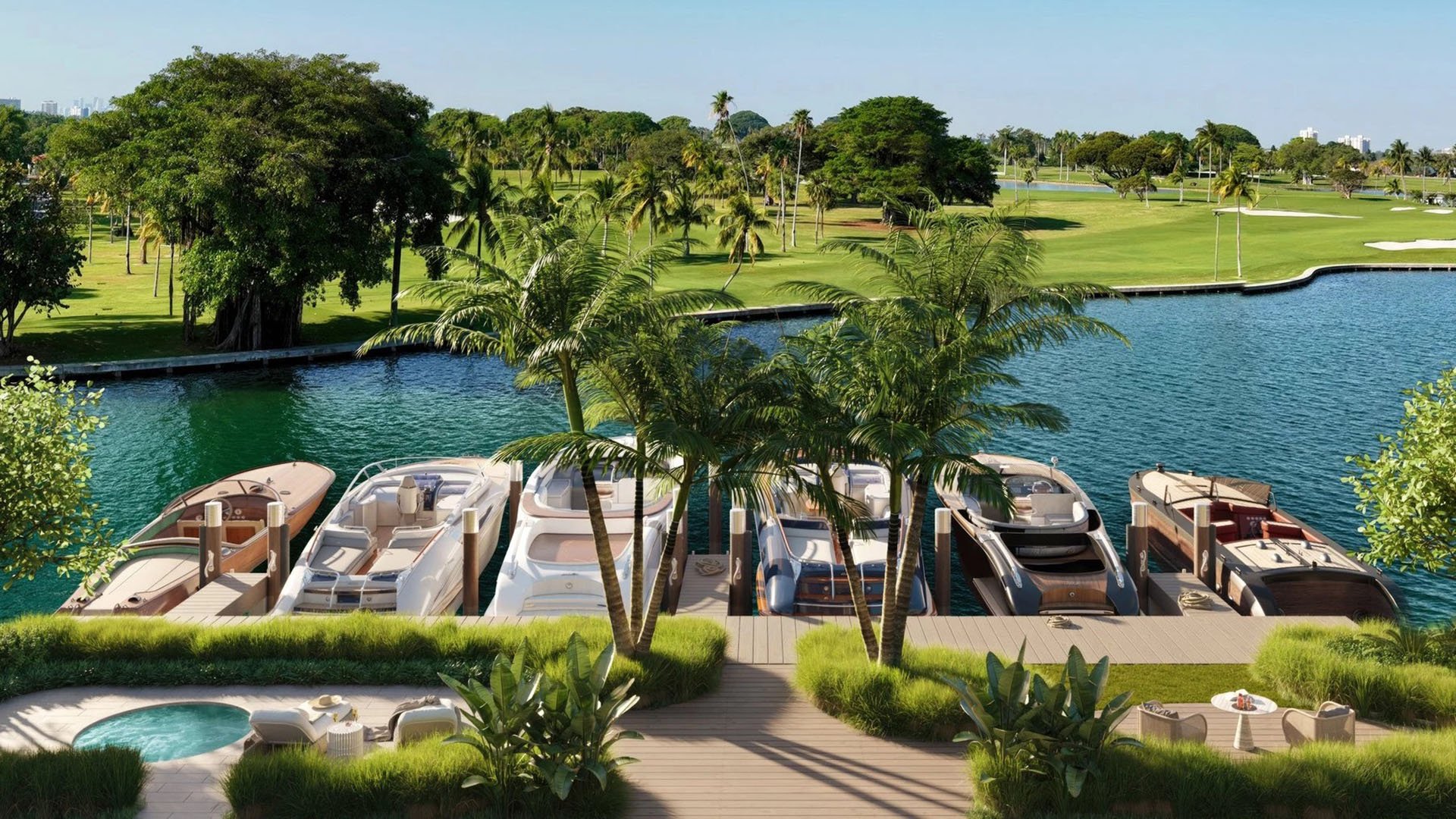
Wellness-led and boutique-scaled buildings such as The Well Bay Harbor Islands illustrate why this submarket can appeal to buyers who think of a residence as a retreat between appointments. The best due diligence here includes bridge timing, guest parking, marina proximity if relevant, and the practicality of moving between island life and mainland commitments.
Brickell is not a beach district, and that is precisely why some collectors consider it. For buyers whose fair-week schedule is dense with business meetings, dinners, private previews, and airport transfers, a mainland urban base can provide a different kind of luxury: fewer beach crossings and a more direct relationship with the city.
The question is whether the buyer wants the beach every day, or wants the option of the beach without living inside beach traffic. A residence such as St. Regis® Residences Brickell may suit those who prioritize service, skyline, and bay atmosphere, then treat the ocean as a planned pleasure rather than a daily logistical dependency.
Brickell also rewards buyers who entertain in residence. If a collector’s week involves hosting advisors, curators, friends, or family, the ability to keep gatherings close to home can be as valuable as immediate sand. The most important questions are practical: How does the building handle visitors? Is there separation between residents and hospitality traffic? Can a driver circulate easily during evening peaks?
For some buyers, Fort Lauderdale offers a compelling alternative to the Miami-centered fair week. It can provide a coastal lifestyle, boating culture, refined residential pockets, and access to South Florida without requiring every plan to orbit the same Miami Beach corridors.
That does not make it a substitute for every collector. It depends on where one’s events, advisors, friends, and airport preferences are concentrated. But for owners who value a slightly different pace, Fort Lauderdale can deliver beach living with room to breathe. Four Seasons Hotel & Private Residences Fort Lauderdale is the kind of address that may appeal to buyers who want hotel-caliber service, waterfront presence, and a more northern South Florida base.
The key is to avoid choosing Fort Lauderdale only for perceived calm. Buyers should test the full loop: beach, airport, marina, restaurants, Miami commitments, and return trips late at night. The right fit feels elegant not only at noon on a quiet weekday, but also after a packed evening during peak season.
First, study access like an owner, not a visitor. A weekend tour can flatter almost any address. A proper evaluation should include weekday rush periods, event nights, rain plans, and guest arrivals.
Second, ask how private the building truly feels when the season is at full volume. Luxury is not just finishes. It is whether residents can move through the property without friction.
Third, distinguish between direct beach access and usable beach access. If daily sand time is central to the purchase, beachfront may justify the logistical compromises. If the beach is a mood rather than a mandate, a bayfront, island, or mainland address may be more rational.
Finally, consider resale psychology. Future buyers in this tier will also value time, privacy, and mobility. The most resilient addresses are those that make South Florida feel expansive rather than congested.
Is beachfront always the best choice for collector-fair buyers? Not always. Beachfront is ideal for daily ocean use, but some buyers prefer nearby access with easier mainland movement.
Should I prioritize Miami Beach if I attend major fairs? Miami Beach can be convenient for coastal social life, but the right answer depends on your schedule, privacy needs, and tolerance for traffic.
Why would a collector choose Brickell instead of the beach? Brickell can offer urban efficiency, service, and easier mainland circulation while keeping the beach as a planned outing.
Is Surfside a quieter alternative to Miami Beach? Surfside can feel more residential while still offering strong beach proximity, which appeals to buyers seeking discretion.
What makes Bay Harbor Islands attractive for this buyer profile? Bay Harbor Islands can balance beach access, privacy, and a calmer residential cadence between coastal and mainland commitments.
Can Fort Lauderdale work as a fair-week base? Yes, for buyers whose South Florida life extends north or who prefer coastal living with a different daily rhythm.
What should I test before buying? Test arrivals, departures, valet flow, bridge timing, guest access, and late-night returns during the hours you will actually use the home.
Is a branded residence useful during busy cultural weeks? It can be, especially when service, security, housekeeping, and hospitality-level coordination reduce daily friction.
How important is parking and driver staging? Very important. Smooth curb management can determine whether an address feels effortless or stressful during peak periods.
Should second-home buyers think differently from primary residents? Yes. A second-home buyer may prioritize lock-and-leave service and event-week convenience, while a primary resident may value school, routine, and daily calm.
For a confidential assessment and a building-by-building shortlist, connect with MILLION.
If branded residences are on your mind — as a home or as an allocation — we would be glad to share what we are seeing, privately.
Begin a quiet conversation