A discreet buyer’s guide to insurance planning for Los Angeles clients evaluating Fisher Island waterfront ownership, from policy review to closing coordination.
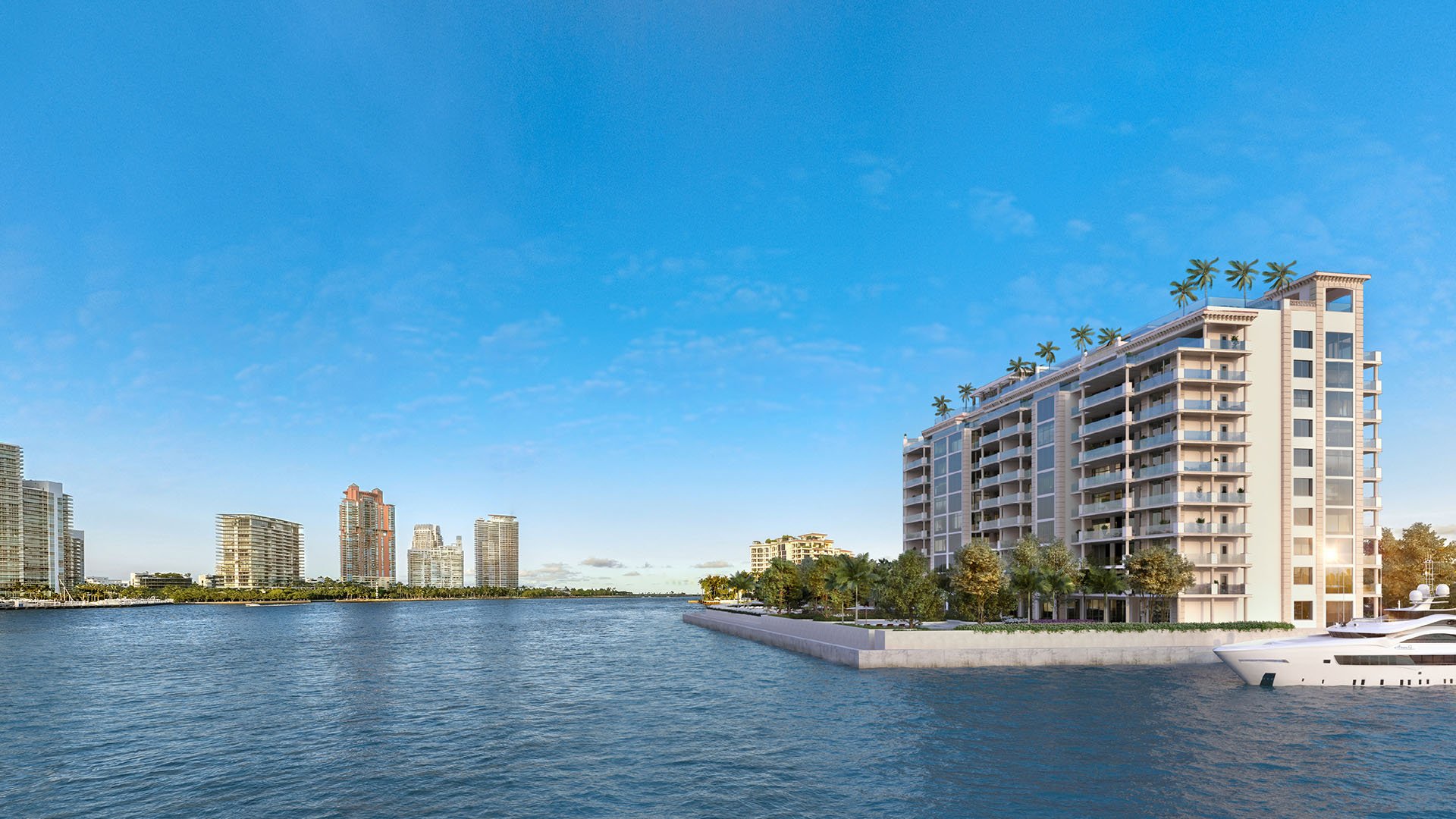
For Los Angeles buyers considering Fisher Island, the appeal of waterfront ownership is immediate: privacy, water views, architectural discretion, and the ease of a resort-level setting. Yet the most sophisticated acquisitions begin well before a walk-through or final negotiation. They begin with a clear understanding of risk, and insurance is one of the quiet disciplines that can shape the ownership experience.
The point is not to make insurance the focus of the purchase. It is to make it feel invisible by making it thoughtful. A buyer who waits until the final days before closing may find that coverage questions affect lender timing, cash planning, renovation intentions, personal property strategy, or even seasonal use. A buyer who starts early can create a more elegant plan.
For many California clients, the move from Los Angeles to Fisher Island is not simply a change of address. It is a shift in coastal vocabulary. Familiar concerns around hillside property, fire, earthquake, and urban density give way to a different waterfront checklist. Wind, flood, association coverage, unit interiors, art, automobiles, staff access, guest use, and extended absences all deserve careful attention. In this context, insurance planning becomes part of acquisition intelligence.
Before discussing premiums or deductibles, understand what is being insured. A condominium residence, an estate-style property, a marina-related arrangement, and a furnished second home can each create a different coverage profile. The contract, governing documents, and association materials matter.
On Fisher Island, buyers comparing residences such as The Residences at Six Fisher Island should ask their advisory team to explain the line between association responsibility and owner responsibility. The master policy may address certain common elements or building-level matters, while the owner’s policy may need to address interiors, improvements, contents, loss of use, liability, and other personal exposures. The exact division should be reviewed, not assumed.
This is especially important for buyers accustomed to single-family ownership in Los Angeles. In a vertical or association-managed environment, the owner may have less direct control over building systems but still retain meaningful exposure inside the residence. A refined interior package, custom millwork, specialty lighting, wine storage, or imported stone can alter the conversation. The policy should reflect the life being built inside the walls, not merely the address.
Waterfront is not a single risk category. It is a setting where multiple policy questions overlap. A buyer should discuss wind coverage, flood exposure, water intrusion scenarios, liability, personal property, temporary relocation, and improvements made after closing. The goal is to understand which risks are addressed, which are excluded, and which may require separate coverage or endorsements.
This is where an insurance advisor with South Florida experience can be valuable. A general high-net-worth policy may be well designed, but waterfront ownership often requires precise coordination among multiple coverages. Buyers should ask direct questions about named-storm deductibles, flood-related terms, replacement assumptions, claims handling, valuation of contents, and how coverage responds when a property is vacant or used intermittently.
For a Los Angeles family using a Fisher Island residence as a second home, the usage pattern matters. Will the home be occupied for long stretches, used for holidays, lent to family, supported by staff, or kept ready for spontaneous arrivals? Insurance should follow the real rhythm of the residence.
The best time to ask insurance questions is before the buyer is emotionally and contractually fixed on a particular residence. A prudent review may include association insurance summaries, governing documents, details of recent or planned improvements, maintenance expectations, and any requirements imposed by a lender or association.
In a building such as Palazzo del Sol, a buyer may be drawn to privacy, scale, and a polished arrival experience. The insurance review should be equally polished. What does the association insure? What should the owner insure separately? How are interior upgrades valued? Are there requirements for contractors, renovations, or water-detection systems? These are not dramatic questions. They are the questions that keep ownership calm.
For buyers considering a residence with a boat slip or frequent marine use, the insurance conversation may widen. The home, the vessel, liability, guests, crew, storage, and marina-related obligations may not sit neatly inside one policy. Coordinating those pieces early can prevent gaps between lifestyle and coverage.
Los Angeles buyers are often decisive. They may be comfortable moving quickly when the right property appears. That decisiveness is an advantage, but only if the advisory structure is already in place. Insurance planning should begin in parallel with legal, tax, and property due diligence.
A buyer should avoid treating insurance as a closing checklist item. Instead, preliminary conversations should begin before signing or during the earliest diligence window. If the residence has unusual finishes, major terraces, extensive glazing, valuable contents, or plans for customization, those details should be shared with the insurance advisor promptly.
Properties such as Palazzo della Luna underscore the point. Ultra-prime residences are often purchased for the very qualities that can complicate ordinary insurance assumptions: distinctive design, elevated finishes, artful outdoor living, and significant personal property. A generic policy review is not enough. The policy should be built around how the owner will actually live.
Insurance planning is not only about whether a policy exists. It is also about how a buyer wants to retain risk. High-net-worth owners often have the liquidity to accept higher deductibles, but the decision should be deliberate. A deductible that looks efficient on paper may feel different in the middle of a claim, particularly when multiple coverages or properties are involved.
The conversation should include cash reserves, tolerance for self-insurance, lender requirements, renovation plans, and the owner’s broader portfolio. A Fisher Island residence may be one asset among several homes, businesses, collections, vehicles, and family trusts. The coverage strategy should fit that wider picture.
This is also where umbrella liability coverage deserves attention. Waterfront entertaining, household staff, visiting family, service providers, and occasional events can expand exposure. Buyers should coordinate homeowner, auto, marine, employment-related, and umbrella policies so that the total structure is coherent.
A luxury residence is often more than its purchase price. The invisible value may sit in art, jewelry, couture, wine, watches, collectible design, audio systems, antiques, and bespoke furnishings. Buyers moving from Los Angeles may already have scheduled collections or private-client coverage in place. Those policies should be reviewed before items are shipped, stored, installed, or rotated between residences.
In a setting like The Links Estates at Fisher Island, the residence may be part home, part retreat, part family gathering place. Coverage should contemplate the way personal property moves through that life. If items are in transit, loaned, displayed, stored off-site, or divided among multiple residences, the insurance architecture should be updated accordingly.
Documentation is equally important. Appraisals, inventories, photographs, invoices, and condition records can transform a claim from a negotiation into an orderly process. The best insurance planning is often administrative, quiet, and exacting.
Before closing on Fisher Island waterfront ownership, a buyer should be able to answer several practical questions. What does the association policy cover, and where does owner responsibility begin? Are flood and wind addressed in the intended coverage structure? Are deductibles understood in real dollar terms? Does the policy reflect renovations, furnishings, art, and valuables? Is liability coverage coordinated across homes, vehicles, marine use, and staff?
The buyer should also ask how the residence will be protected when vacant. Who checks the home? Are there water sensors, maintenance protocols, or vendor requirements? How are storms, extended travel, and emergency access handled? These questions may sound operational, but they are part of luxury ownership. The true amenity is confidence.
For buyers comparing oceanfront and waterfront opportunities, the insurance lens is not a constraint. It is a form of clarity. The better the planning, the more effortless the ownership experience can feel.
When should a Los Angeles buyer begin insurance planning for Fisher Island? Begin as early as possible, ideally before contract terms are final. Early review helps align coverage, lender timing, and ownership expectations.
Is association insurance enough for a condominium buyer? Not by itself. Buyers should review where association responsibility ends and where owner coverage for interiors, contents, liability, and loss of use begins.
Should flood and wind be discussed separately? Yes. Waterfront ownership can involve different coverage categories, and buyers should understand how each policy responds and what exclusions may apply.
Do valuable interiors change the insurance conversation? They can. Custom finishes, art, wine, jewelry, and collectible design may require specific valuation, documentation, or separate coverage.
What if the Fisher Island residence will be used seasonally? Seasonal use should be disclosed and planned for. Vacancy, maintenance, monitoring, and access protocols may affect coverage expectations.
Does marine use require separate planning? Often, yes. A vessel, guests, crew, storage, and marina-related obligations may require coordination beyond the residence policy.
How should buyers think about deductibles? Deductibles should be reviewed in real dollar terms, not just as policy language. The right choice depends on liquidity, lender rules, and risk tolerance.
Should an umbrella policy be reviewed before closing? Yes. Waterfront entertaining, staff, vehicles, vessels, and multiple homes can make coordinated liability coverage especially important.
What documents are useful for insurance review? Association materials, insurance summaries, governing documents, renovation details, inventories, appraisals, and lender requirements are all useful.
Is insurance planning a reason to slow down a purchase? It is a reason to be precise, not hesitant. Done early, it supports a smoother closing and a more confident ownership experience.
When you're ready to tour or underwrite the options, connect with MILLION.
If branded residences are on your mind — as a home or as an allocation — we would be glad to share what we are seeing, privately.
Begin a quiet conversation