For Nora House buyers, valuable furnishings deserve a plan independent of the construction calendar. Customs coordination, documented off-site storage, and written insurance confirmation can help align a considered interior with actual building readiness.
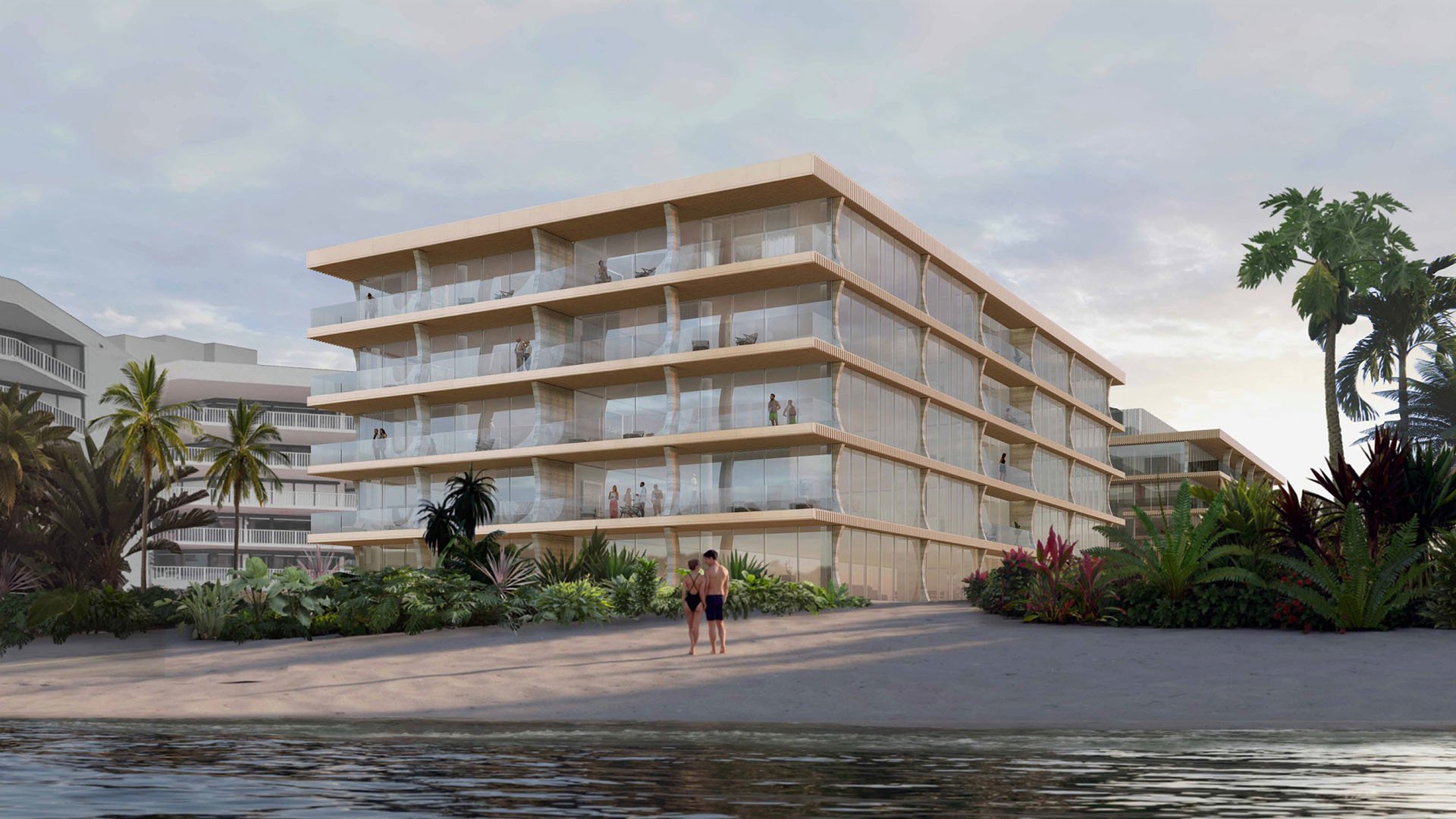
A considered interior is more than a collection of purchases. For a Nora House buyer, it is also a sequence of decisions about arrival, custody, storage, and installation. Valuable furnishings may be ready before the residence can receive them, while an overseas acquisition brings a separate customs timetable. The objective is to protect both the collection and the flexibility to install it when the home is genuinely ready.
Nora House is planned at 1105 North Dixie Highway in West Palm Beach's Nora District as an 11-story condominium with 117 residences and ground-floor shops and restaurants. Layouts span two to four bedrooms, with approximately 1,465 to 2,960 interior square feet. Those dimensions inform furnishing choices; they do not establish delivery access or storage arrangements.
The essential distinction is between purchasing a residence and preparing it to receive valuable objects. Each requires its own written confirmations.
Nora House's delivery window is 2027-2030. Treat it as a planning range, not a confirmed owner move-in date. Keep the furnishing schedule adjustable until the owner's team has written confirmation that both the residence and the building can accommodate the intended delivery.
Before authorizing final shipment, ask about delivery hours, freight-elevator procedures, contractor access, and required insurance limits. Nora House's final arrangements on these matters are not established here. Nor should an owner assume that dedicated storage within the building will be available for purchases arriving early.
For buyers also considering Alba West Palm Beach, the same questions belong in the comparison process. The useful distinction is not a presumed difference between projects, but whether each owner's delivery plan rests on confirmed permissions rather than a marketing calendar.
Build flexibility into purchase orders and delivery instructions where possible. Ask who can authorize a revised arrival date and what happens if the residence cannot accept a scheduled shipment.
International shipping, customs clearance, secure receiving, and final residential delivery are distinct stages. Customs coordination is available within the valuable-furnishings logistics market, but it does not establish a universal clearance period or guarantee an arrival date for any particular piece.
Before committing to an overseas purchase, ask the shipping team to identify who handles customs coordination and who receives the object after release. Obtain item-specific advice on documentation, duties, and material restrictions from the appropriate specialist. Do not build the interior schedule around an assumed customs turnaround.
The practical question is where the piece goes if it clears before the building is ready. A written receiving and storage arrangement can resolve that decision before an imminent shipment creates pressure. It should also identify who communicates a delay to the designer, storage provider, installer, and insurer.
For a Palm Beach acquisition intended for a future residence, keep the destination decision distinct from the shipping decision. An object can be purchased for the home without being sent directly to it.
Specialist storage for valuable furnishings can include private climate-controlled vaults, documented inventories, condition records, and coordinated installation. Short-term storage-in-transit is another option. Neither description, on its own, establishes suitability for a longer holding period.
Ask for a written scope covering the storage environment, access arrangements, inventory process, and release procedures. Confirm how charges change if the holding period extends, whether pieces can be retrieved individually, and who approves movement out of storage. These are contract questions, not assumptions about the provider's standard service.
A condition record at both ends of a shipment helps document the object's state during handling. For an extended furnishing program, request a consistent identification system linking each piece to its photographs, condition documentation, location, and insurance description.
The same discipline is useful when evaluating Mr. C Residences West Palm Beach alongside Nora House. Off-site custody deserves its own review rather than being treated as an incidental part of the residential purchase.
An insured mover does not necessarily provide insurance for an owner's furnishings at full replacement value. Standard mover liability and specialty coverage based on scheduled or agreed values are different arrangements. An installer's professional liability likewise does not, by itself, establish coverage for every object being handled.
Ask the owner's insurer to confirm protection in writing from pickup through transit, off-premises storage, final delivery, and installation. Homeowners coverage may leave gaps during transit or extended storage away from the residence. Confirm the pickup date, anticipated transit window, storage location, and implications of any extension.
For higher-value pieces, ask whether scheduled or agreed-value coverage is appropriate and how values must be documented. Some specialty policies may offer agreed-value protection without a deductible, but those features depend on the actual policy terms. Never presume them from a provider's description of its services.
A useful review separates two questions: what insurance must a contractor carry to enter the building, and what insurance protects the owner's property during the work? Written confirmation of one does not answer the other.
Depicted furniture, appliances, and decorator-ready items at Nora House are illustrative rather than included in the condominium purchase. Buyers should verify actual inclusions in their contract before commissioning an interior around those images.
Then align the installation scope with the confirmed residence specifications and access arrangements. Ask the designer and installer to identify which pieces need custom crating, specialist handling, assembly, or installation work. Obtain a written division of responsibilities so that receiving, unpacking, placement, and condition acceptance are not left ambiguous.
When comparing Nora House with Shorecrest Flagler Drive West Palm Beach, apply the same contract-first approach. A visual presentation can guide taste; it should not substitute for confirmation of what is delivered or what the installation team is permitted to do.
The strongest furnishing plan remains useful beyond the first installation. Retain the inventory, condition documentation, insurance confirmations, and storage and installation agreements as part of the residence's ownership records. Ask the insurer to revisit coverage before a valuable piece is moved off-site or a new acquisition enters the home.
The governing principle is straightforward: secure the chain of custody before securing the installation date. Confirm readiness, agree to the storage scope, and establish property coverage before authorizing the next handoff.
Explore South Florida residences with MILLION.
If branded residences are on your mind — as a home or as an allocation — we would be glad to share what we are seeing, privately.
Begin a quiet conversationThe published delivery window is 2027–2030, which is planning guidance rather than a confirmed owner move-in date.
Nora House is planned at 1105 North Dixie Highway in West Palm Beach's Nora District.
Published residences range from approximately 1,465 to 2,960 interior square feet, with two- to four-bedroom layouts.
Depicted furniture, appliances, and decorator-ready items are illustrative rather than included. Verify actual inclusions in the purchase contract.
No universal clearance period is established. Ask the shipping specialist for item-specific guidance and arrange receiving separately from residential delivery.
Request written terms covering climate control, inventory, condition documentation, access, release procedures, and an extended holding period.
Condition documentation at both ends creates a record of the piece's state during handling and supports a clearer handoff between custodians.
No; standard mover liability is not necessarily equivalent to market-value or replacement-value insurance for the owner's furnishings.
Not necessarily; transit and extended off-premises storage may leave coverage gaps. Ask the insurer to confirm the locations, dates, and installation stage in writing.
Final freight-elevator procedures, delivery hours, owner-storage allocation, and contractor insurance limits are not established here. Obtain written building requirements before scheduling delivery.