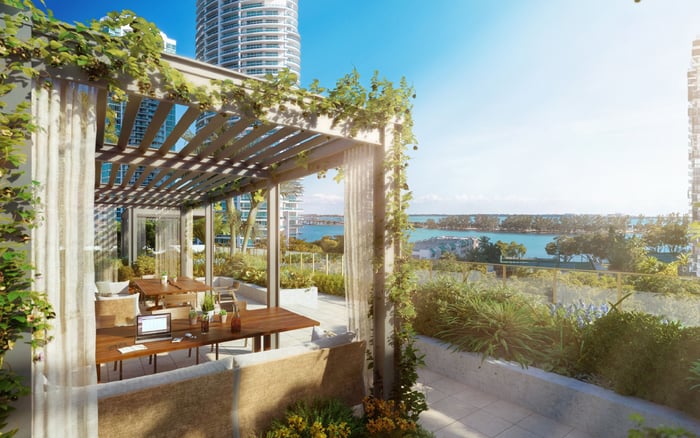
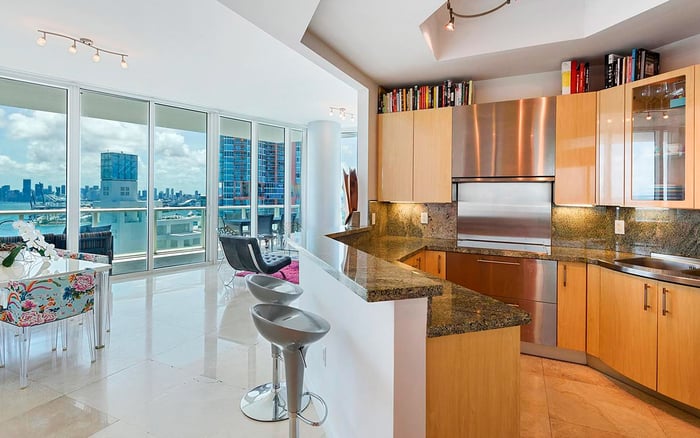
For Miami-Dade waterfront buyers, long-term ownership deserves a capital review as considered as the residence itself. Read roof, façade, plumbing, electrical, and waterproofing reserves together to understand timing, funding, and potential assessment exposure.
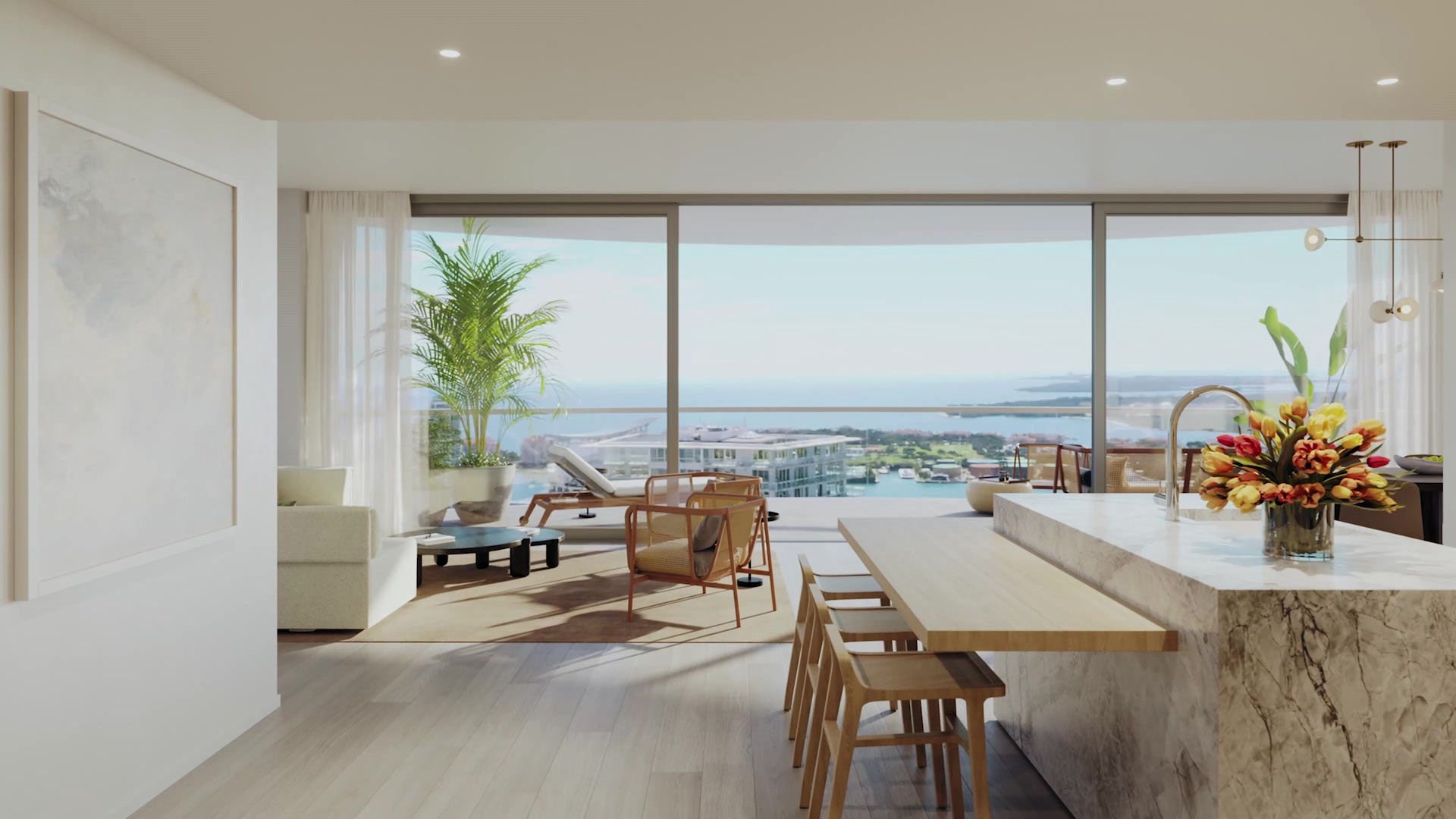
The enduring appeal of a Miami-Dade waterfront residence is easy to appreciate: light, outlook, and the pleasure of living close to the water. Less visible, but equally worthy of attention, is the building’s capital plan. For a long-term owner, the condition of the roof, façade, plumbing, electrical systems, and waterproofing deserves the same disciplined review as the residence’s layout.
These components should not be evaluated as five unrelated expenses. A thorough buyer review connects their condition, anticipated work, estimated costs, and funding schedules. The objective is not simply to identify the next repair, but to understand whether the association has a coherent approach to the building’s lifecycle.
For buyers considering Miami Beach residences such as 57 Ocean Miami Beach, that discipline belongs alongside the lifestyle comparison. Project references here illustrate a buyer’s search; they are not judgments about any particular building’s reserves or condition.
A Structural Integrity Reserve Study, or SIRS, links the condition of specified building components to a funding plan for maintenance and replacement. Florida’s requirement applies to qualifying residential condominium buildings of three habitable stories or higher, with a study required at least every 10 years.
Its value to a buyer lies in connecting physical condition with future expenditure. Reserve studies estimate remaining useful life and replacement costs for major common-area components. Those estimates offer a more useful basis for evaluating long-term ownership than the current association charge alone.
The five systems in this article’s title are a starting point, not the entire scope. Load-bearing walls and primary structural members also matter, as do fire protection, windows, and exterior doors, as applicable. A broader reserve review can encompass elevators, HVAC, pools, and parking structures.
Treat an integrated capital plan as a due-diligence recommendation, not a separately named statutory requirement. Ask counsel to confirm building-specific obligations; a general overview is not a compliance determination.
Roofing is a required SIRS category. Ask about its documented condition, estimated remaining life, anticipated replacement cost, and the contributions intended to fund that work. A roof estimate is more informative when considered alongside other approaching capital needs.
Façade review requires similar precision. Distinguish the condition of load-bearing walls and primary structural members from waterproofing and exterior painting, which are also within the SIRS scope. An attractive exterior is no substitute for examining the underlying maintenance history and planned work.
For waterfront ownership, corrosion and moisture exposure warrant particular scrutiny of the building envelope and deferred maintenance. Ask whether roof, façade, and waterproofing work have been considered together, and whether the proposed sequence reflects the technical advice given to the association.
In Surfside, a buyer evaluating Arte Surfside should bring these same questions to the document review. Architectural appeal and capital diligence are complementary considerations; neither should stand in for the other.
Plumbing and electrical systems are required SIRS categories, not merely matters of routine operating maintenance. Their anticipated capital needs belong alongside roof and envelope obligations in the ownership analysis.
For each system, ask what work is contemplated, which remaining-life assumptions support its timing, and how its estimated cost appears in the reserve budget. Then compare that timing with the envelope schedule. If several significant expenditures fall within the same period, examine their combined funding demand rather than each amount in isolation.
This is equally relevant when comparing Sunny Isles Beach options such as Jade Signature Sunny Isles Beach. The practical question is whether the documents explain how major common-area systems will be maintained over the intended holding period-not simply whether the residence presents beautifully today.
Request the SIRS, latest milestone inspection, reserve budgets, board minutes, insurance renewal history, and special-assessment notices. Read them together to compare physical findings, proposed expenditures, and association decisions, rather than relying on a single reassuring figure.
A concise review worksheet can organize the discussion with the association and your advisers:
Condition: What does the technical documentation identify for each major component?
Timing: What remaining useful life and work schedule are being used?
Cost: What replacement or maintenance estimate supports the planned expenditure?
Funding: How do reserve balances and budgeted contributions relate to that schedule?
Decisions: What do board minutes and assessment notices establish about planned action?
Ask for clarification wherever these documents do not align. If a study identifies approaching work that the budget appears not to address, request a direct explanation. Also distinguish discussion of a possible project from a formally communicated assessment.
Insurance renewal history belongs in the broader ownership review, but it should not replace the component-by-component reserve analysis. Keep those questions distinct so the capital discussion remains clear.
Low association charges can reflect deferred capital funding rather than genuinely lower long-term ownership costs. Buyer underwriting should therefore consider monthly charges alongside potential special assessments, particularly when major repairs are approaching and reserves are insufficient.
When comparing a Brickell residence such as Una Residences Brickell with another candidate, request the same categories of information for each. A consistent comparison is more useful than contrasting headline monthly charges without examining what they support.
For your intended holding period, separate known obligations from unresolved exposure. Identify current charges, communicated assessments, and approaching work whose funding requires clarification. Do not turn an unanswered question into a precise forecast; use it to guide further diligence.
Nor should “full funding” be assumed to mean that every component’s entire eventual replacement cost must already be held in cash. Examine the funding schedule and its assumptions with qualified advisers. The meaningful question is how the plan addresses anticipated obligations over time.
Before committing, ask for one clear explanation connecting roof, façade, waterproofing, plumbing, and electrical work with the wider reserve scope. It should set out anticipated timing, estimated costs, planned contributions, and how overlapping expenditures are being addressed.
For a long-term owner, clarity is valuable in its own right. A disciplined capital review does not promise an assessment-free future. It provides a stronger basis for deciding whether the residence’s pleasures and financial obligations belong in the same ownership plan.
For a considered approach to Miami-Dade waterfront ownership, explore residences with MILLION.
If branded residences are on your mind — as a home or as an allocation — we would be glad to share what we are seeing, privately.
Begin a quiet conversationA SIRS links the condition of specified building components to a funding plan for their maintenance and replacement.
Florida’s requirement applies to qualifying residential condominium buildings of three habitable stories or higher. Building-specific applicability should be confirmed with counsel.
A SIRS is required at least every 10 years for qualifying buildings. Confirm the applicable compliance schedule for the property under review.
Reviewing their condition, timing, costs, and funding together helps buyers assess combined capital demands. This is a due-diligence recommendation, not a separately named statutory requirement.
Yes. It also addresses load-bearing walls, primary structural members, fire protection, windows, and exterior doors, as applicable.
Corrosion and moisture exposure are reasons to scrutinize building-envelope condition and deferred maintenance. Building-specific technical documentation should guide the review.
Request the SIRS, latest milestone inspection, reserve budgets, board minutes, insurance renewal history, and special-assessment notices. Compare them rather than relying on one document alone.
Not necessarily. Low charges can reflect deferred capital funding, so buyers should consider potential special assessments alongside monthly charges.
Buyers should not assume that interpretation. Review the funding schedule and its assumptions with qualified advisers to understand how anticipated obligations are addressed.
No general review can establish that amount. Building-specific reserve budgets, anticipated work, funding decisions, and assessment notices are needed to evaluate the exposure.