Casa Bella’s Downtown Miami setting calls for a unit-specific review of daily routines, arrival experience, privacy, noise, views, nearby development, and future marketability.
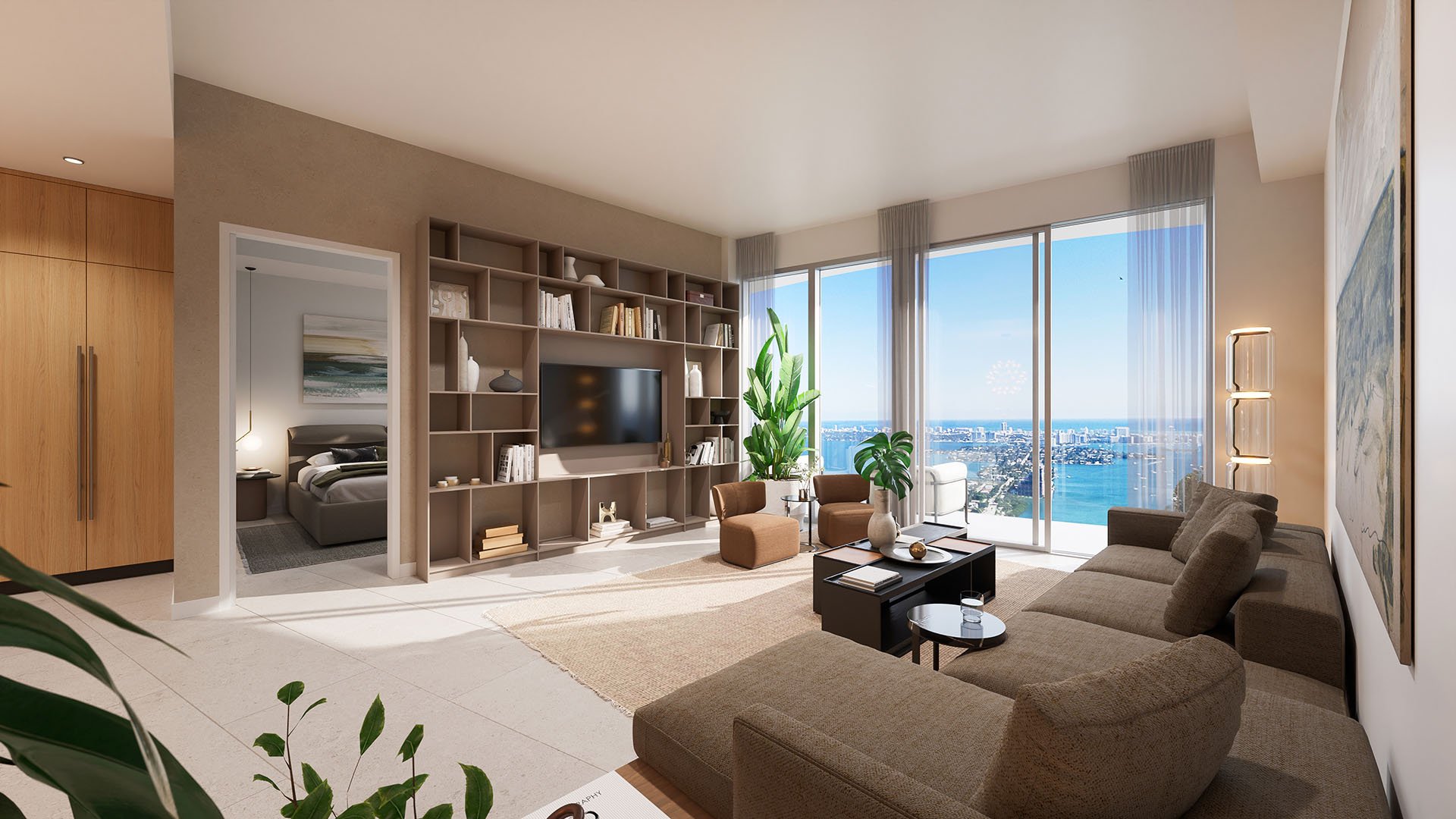
Evaluating Casa Bella by B&B Italia Downtown Miami begins with a practical question: does a Downtown Miami setting support the way the buyer intends to live? The answer depends less on a broad neighborhood label than on recurring routes, preferred levels of activity, privacy expectations, and the specific residence under consideration.
A useful review separates urban access from personal fit. Buyers should identify where they expect to spend time, how they plan to travel, and whether the location remains convenient under the conditions they are most likely to encounter.
A map cannot show the complete experience of an address. Buyers can learn more by approaching the property from their expected routes, repeating the trip at different times, and observing how surrounding activity affects arrival and departure.
Primary residents and second-home owners may apply different standards. One buyer may prioritize a routine built around frequent local trips, while another may focus on ease of arrival, occasional use, and the ability to leave the residence secured when away. The location review should reflect the intended ownership pattern rather than a generic idea of convenience.
Privacy should be assessed as a sequence extending from the curb to the front door. Vehicle approach, drop-off, lobby access, elevators, shared circulation, and entry into the residence can each influence whether the experience feels discreet.
The residence itself requires a separate review. Elevation, orientation, glazing, balcony conditions, and surrounding activity may affect perceived privacy and noise. Buyers should test the actual unit whenever possible instead of assuming that every residence in a tower will perform in the same way.
Within one building, residences can present different outlooks and exposure. View direction, elevation, neighboring sites, and the relationship between interior rooms and outdoor areas should therefore be part of the location decision.
Nearby change also deserves attention. Buyers should investigate the current surroundings and consider how construction, altered views, or changing traffic patterns could affect enjoyment. The objective is not to predict every future condition, but to understand which qualities of a residence are durable and which may depend on the present outlook.
Comparisons are most useful when they clarify priorities rather than reduce projects to brand names. A Downtown search may include One Thousand Museum Downtown Miami and Waldorf Astoria Residences Downtown Miami, while a buyer considering a different nearby setting may also review Aria Reserve Miami.
The purpose of this comparison is to examine micro-location, arrival, orientation, privacy, and the feel of each residence. A buyer should compare specific units and intended routines rather than assume that projects in the same broader area provide interchangeable experiences.
The B&B Italia name may be part of Casa Bella’s identity, but a brand does not replace location due diligence. Buyers should distinguish their response to the design proposition from their comfort with the setting and their assessment of a particular residence.
The strongest fit is the one in which the project, unit, and daily routine work together. If any part of that combination creates uncertainty, additional visits and direct comparisons can help identify whether the concern is temporary, unit-specific, or fundamental to the buyer’s preferences.
Future marketability should be treated as a case to evaluate, not a guaranteed outcome. A prospective resale buyer may consider the project’s identity, but the individual residence still needs a clear explanation of its orientation, outlook, privacy, condition, and exposure.
Competing inventory and nearby development may also influence how a residence is perceived. Buyers should seek current unit-level information before making a purchase decision and avoid relying on broad assumptions about Downtown Miami or branded residences.
Visit at more than one time and under different activity conditions.
Repeat the routes likely to matter in ordinary use.
Review the complete arrival, access, and elevator sequence.
Assess noise and privacy inside the specific residence.
Study orientation, elevation, outdoor areas, and view direction.
Identify nearby sites that could affect light, outlook, or access.
Compare specific residences rather than project names alone.
Consider whether the unit has qualities a future buyer can readily understand.
How should a buyer evaluate Casa Bella’s Downtown Miami location? Test the address against expected routines, travel patterns, preferred activity levels, and privacy requirements.
Why are visits at different times useful? Conditions can vary, so repeated visits provide a broader view of traffic, activity, noise, and arrival.
What should be reviewed during the arrival sequence? Observe the vehicle approach, drop-off, lobby access, elevators, shared circulation, and transition into the residence.
Does every residence in the building offer the same location experience? No assumption should be made; elevation, orientation, outlook, and exposure should be assessed for the specific unit.
How should buyers assess noise? Spend time inside the residence under different conditions and consider glazing, balconies, orientation, and surrounding activity.
Why does nearby development matter? Changes around a property may affect construction exposure, traffic patterns, light, or views, so nearby sites deserve review.
What is the value of comparing other projects? Direct comparisons can clarify preferences concerning micro-location, arrival, privacy, orientation, and overall setting.
Does a branded identity eliminate the need for location due diligence? No. The project identity, urban setting, and individual residence should each be evaluated independently.
What may support future exit appeal? A residence may be easier to explain to a future buyer when its orientation, outlook, privacy, and other distinguishing qualities are clear.
What information should be reviewed before a purchase decision? Buyers should seek current, unit-specific details and evaluate relevant competing inventory rather than rely on broad market assumptions.
To compare the best-fit options with clarity, connect with MILLION.
If branded residences are on your mind — as a home or as an allocation — we would be glad to share what we are seeing, privately.
Begin a quiet conversation