A buyer-focused guide to evaluating restaurant noise, outdoor dining, traffic patterns, and building acoustics when considering a luxury residence in Las Olas.
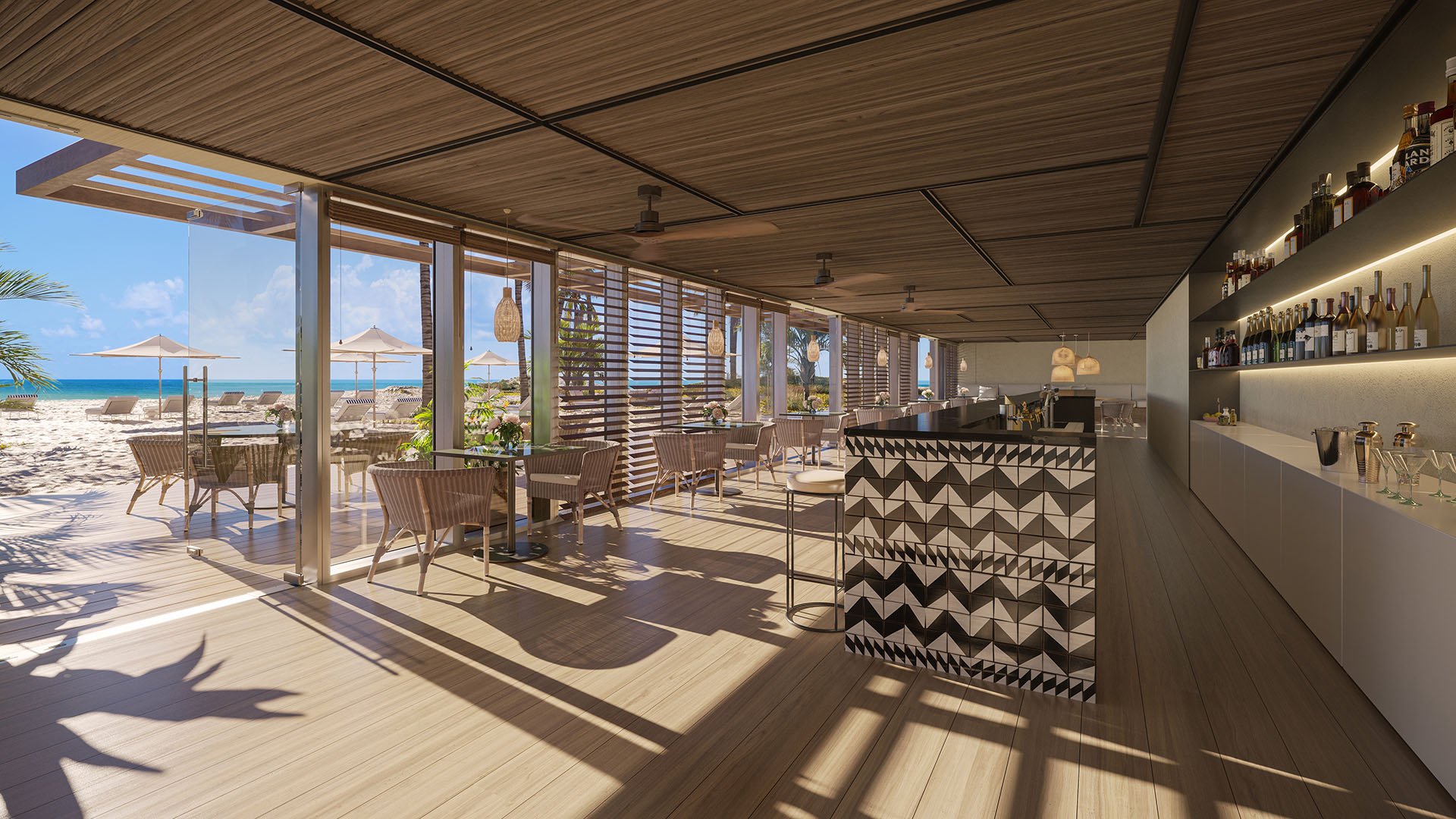
Living in Las Olas can offer the walkable, restaurant-led lifestyle many South Florida buyers want: dinner close by, a polished streetscape, and the ease of arriving home without sacrificing convenience. For the luxury buyer, however, proximity is only part of the story. The sharper question is how a residence receives that energy once evening begins.
Restaurant noise is not a single issue. It can arrive as music, voices, valet activity, outdoor dining, service doors, delivery vehicles, kitchen ventilation, or late closing routines. Some of it is intermittent. Some of it is directional. Some of it is barely noticeable behind well-specified glass, then surprisingly present on a balcony after dinner service peaks. A serious buyer should treat sound the same way they treat views, ceiling heights, parking, or privacy: as a material part of the living experience.
In a Fort Lauderdale search, the more refined question is not whether a home is near bars, but how the home filters the energy of the street. Balcony depth, high floors, low floors, and terrace orientation can all change how sound is perceived inside the residence and outdoors.
A midday showing can be useful for evaluating light, floor plan, and finishes, but it rarely reveals the full acoustic character of a restaurant district. Buyers should return during the windows that matter most to their lifestyle: early dinner, late dinner, weekend evenings, and the period after restaurants wind down. A home can feel serene at 2 p.m. and read very differently at 10 p.m.
The goal is not to eliminate all sound. In an urban luxury setting, a certain level of energy may be part of the appeal. The goal is to distinguish ambience from intrusion. Soft movement below a terrace may feel cosmopolitan. Repeated operational noise near a bedroom line may feel less charming over time. A buyer should stand in the primary suite, the living room, and the outdoor space with doors closed, then open. The difference between those two conditions is often the most honest test.
Luxury buyers should ask direct questions about glazing, exterior doors, balcony sliders, wall assemblies, and mechanical design. The details matter. A residence with substantial glass may still perform beautifully if the specifications are strong and the installation is tight. Conversely, an elegant view wall can underperform if seals, frames, or door systems transmit more sound than expected.
It is also worth asking whether the residence has been altered after delivery. Replaced flooring, modified doors, built-in systems, window treatments, or reconfigured rooms can subtly affect acoustics. Thick drapery, layered rugs, upholstered walls, and integrated millwork may soften interior sound, but they do not substitute for a capable exterior envelope. Buyers should separate decorative acoustic comfort from actual exterior sound control.
Height can help, but it is not a universal solution. Sound can travel upward, reflect off neighboring surfaces, or concentrate in unexpected pockets. A higher floor may reduce immediate street presence while still receiving music or voices from open-air areas. A lower floor may be closer to activity but protected by massing, landscaping, or orientation away from the most active frontage.
This is why the line of exposure matters. Does the primary bedroom face the liveliest restaurant frontage, a side street, an interior court, or a water view? Does the terrace sit above a service area, a valet zone, or outdoor seating? Is the living room designed for entertaining while the bedrooms are tucked into a quieter side of the plan? In luxury real estate, the best floor plan is not merely beautiful. It manages daily life with discretion.
Noise does not come only from guests. Buyers should ask about the operational rhythm surrounding nearby hospitality uses. Where do deliveries occur? Where does waste removal happen? Are service doors positioned near residential entries or bedroom exposures? Are there outdoor speakers, covered patios, or late-evening staff routines? These are practical questions, not adversarial ones.
A polished restaurant block can be highly compatible with residential life when operations are well managed. The issue is fit. A buyer who dines out often, travels frequently, and enjoys a social setting may embrace an address that feels animated. A buyer seeking quiet mornings, early nights, or a second home designed for decompression may need a different exposure within the same neighborhood.
Before signing, buyers should review building rules, association materials, municipal considerations, and any disclosures relevant to nearby commercial uses. The objective is to understand the practical framework, not to assume that every annoyance can be corrected after closing. If outdoor music, valet operations, or restaurant patios are part of the surrounding environment, the buyer should know how the building addresses complaints and how the broader setting is managed.
Resale should also be considered. Many future buyers will prize Las Olas for the same reasons that create acoustic complexity: dining, walkability, and immediate access to an active social corridor. A well-oriented residence with strong sound control may hold broader appeal than a unit that depends entirely on a buyer tolerating noise. In the luxury market, quiet is not the absence of lifestyle. It is the ability to choose when the city enters the home.
A refined showing should include questions that go beyond square footage and view. Ask when the street is loudest, which rooms receive the most sound, whether the terrace remains usable during dinner hours, and how the residence performs with all doors closed. Ask whether the seller has noticed recurring patterns. Ask the property manager how complaints are handled. Ask to return at a different hour.
Most importantly, listen without rushing. Stand still. Pause in the bedroom. Step onto the terrace. Close the doors. Turn off music inside the residence. The right Las Olas home should not require a buyer to rationalize discomfort. It should offer the pleasure of a restaurant district with a private threshold that feels deliberate, calm, and well resolved.
Should restaurant noise stop me from buying in Las Olas? Not necessarily. The question is whether the specific residence, exposure, and building envelope align with your tolerance and lifestyle.
When should I schedule a second showing? Visit during the evening and, if possible, on a weekend. A daytime showing rarely captures the full restaurant rhythm.
Are higher floors always quieter? No. Elevation can help, but orientation, surrounding surfaces, and the source of sound can matter just as much.
What room should I test most carefully? Prioritize the primary bedroom, then the living room and terrace. Sleep quality usually determines whether noise becomes a daily issue.
Should I test the residence with doors open and closed? Yes. The contrast will show how much protection the exterior doors and glazing provide.
Can interior design reduce restaurant noise? It can soften sound inside the home, but it cannot fully correct weak exterior sound control. Start with the building envelope.
What should I ask the association or manager? Ask how noise concerns are handled and whether there are recurring issues tied to nearby commercial activity.
Does outdoor dining change the analysis? Yes. Outdoor seating, speakers, closing routines, and guest movement can all affect the evening sound profile.
Is street energy bad for resale? Not always. Many buyers value walkability, but a quieter exposure within an active district can broaden future appeal.
What is the most important takeaway? Do not judge the residence only by its finishes or view. Listen to it at the hours when you will actually live there.
For a confidential assessment and a building-by-building shortlist, connect with MILLION.
If branded residences are on your mind — as a home or as an allocation — we would be glad to share what we are seeing, privately.
Begin a quiet conversation