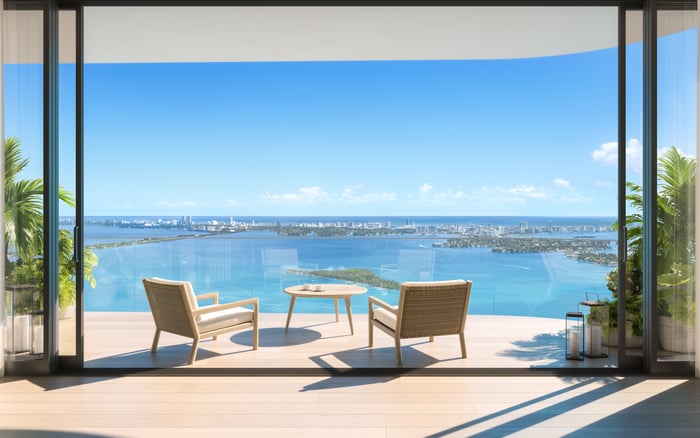
At an urban luxury residence, the correct offer begins with the specific line, not the building average. Buyers should test the view corridor, sound profile, solar exposure, privacy and future development risk before assigning a premium.
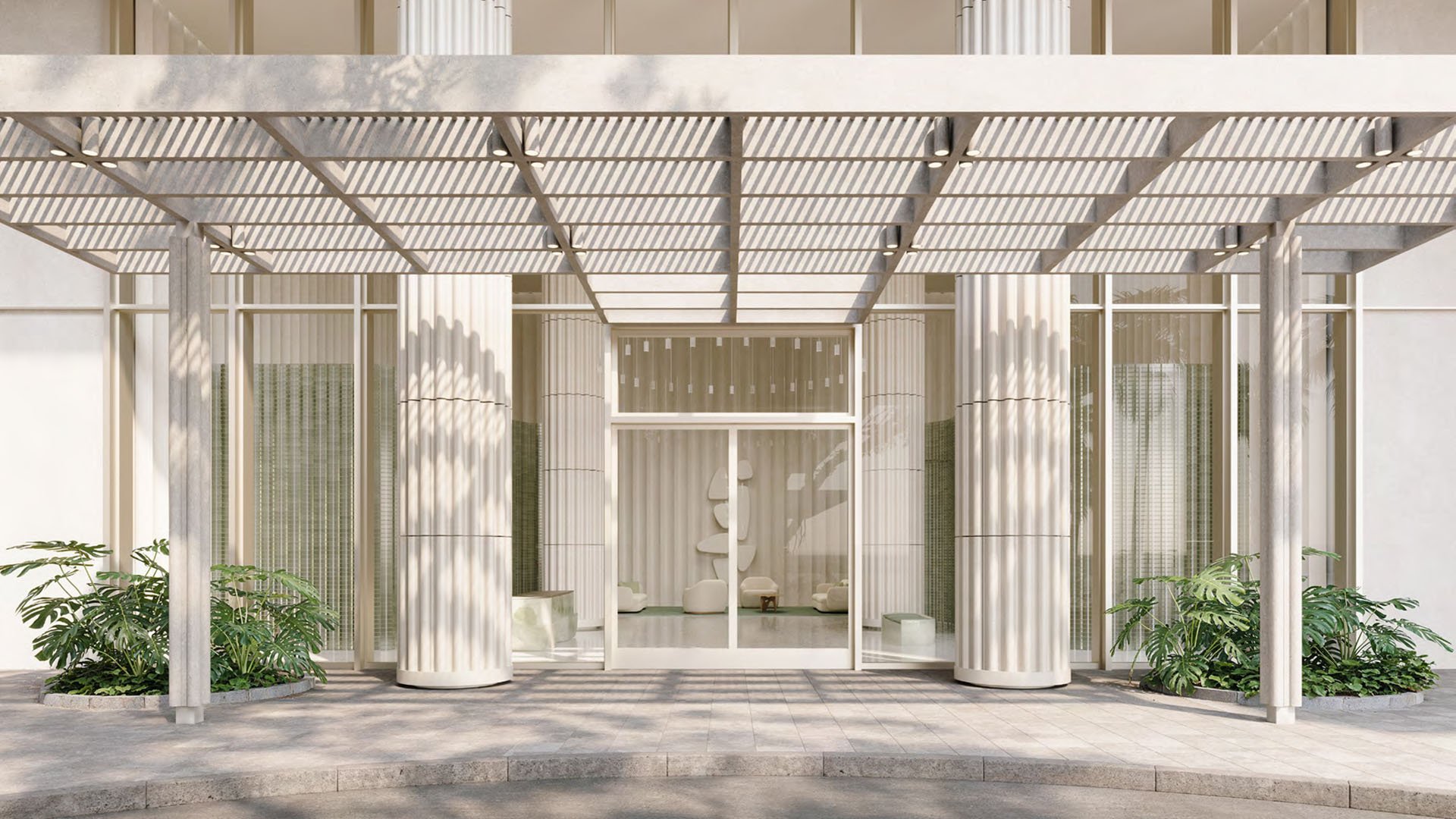
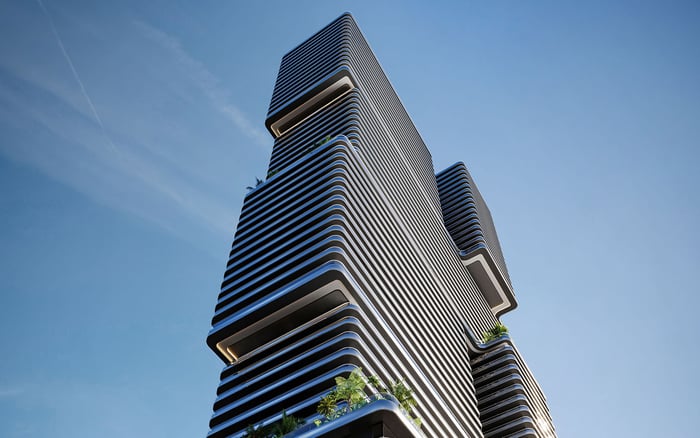
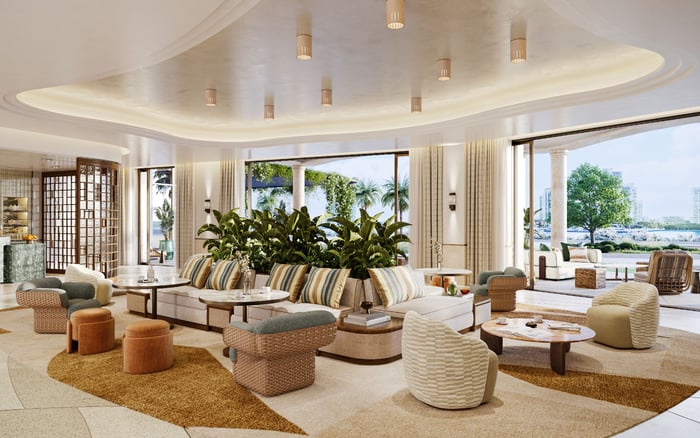
At Miami Design Residences Midtown Miami, line selection should be treated as a distinct underwriting exercise. Two residences with similar interior areas can deliver materially different daily experiences because orientation, elevation, neighboring structures, glazing, terrace geometry and the placement of living spaces all shape how a home feels.
A disciplined assessment begins with the exact residence, not a broad building average. Determine what is permanent, what may change and what is merely attractive during a brief showing. A polished interior can be altered. A compromised outlook, persistent noise or direct sightline from another property is far more difficult to correct.
This is especially important for buyers comparing Midtown with the wider Design District and Wynwood market. Kempinski Residences Miami Design District, Miami Tropic Residences and Frida Kahlo Wynwood Residences can help frame a broader urban search, but every comparison should return to the individual line and its lived qualities.
Evaluate the view from several positions: seated in the living room, standing in the kitchen, lying in the primary bedroom and stepping onto the balcony. The most marketable outlook is not always the widest. A composed city perspective may feel more intentional than an expansive scene interrupted by mechanical roofs, parking structures or close-facing windows.
Separate the foreground, middle distance and horizon. The foreground governs privacy and visual calm. The middle distance creates depth. The horizon provides the emotional lift often associated with a water or skyline view. Buyers should also determine which elements are protected and which depend on undeveloped or underbuilt parcels remaining unchanged.
Photograph the outlook at eye level, not only from the glass. Then compare the same line several floors apart, if access is available. A modest rise in elevation may clear an obstruction, while additional height may contribute little once the principal corridor has opened.
Assess sound with the air conditioning both on and off, doors closed and terrace doors open. Stand quietly in the bedrooms, near the glazing, beside entry doors and at the outdoor edge. Listen for intermittent sounds as carefully as constant ones. A brief tour can miss conditions that emerge during commuting periods, deliveries, evening activity or building operations.
Return at a contrasting hour. Buyers who work from home should test the likely office position. Light sleepers should spend more time in the primary suite than in the entertaining areas. Ask to remain silent for several minutes. Conversation and music can conceal the details that later define comfort.
Noise is not automatically disqualifying. It becomes an offer issue when it limits terrace use, sleep, concentration or the sense of retreat expected at the price. Any adjustment should reflect the buyer’s sensitivity and the likely response of a future purchaser, not a generic label such as quiet or lively.
Exposure influences brightness, glare, heat perception and the hours when outdoor space feels most inviting. Observe where direct light enters, how deeply it reaches and whether window treatments would need to remain closed during preferred living hours. Consider artwork, screens, upholstery and work surfaces-not only the drama of sunlight during a showing.
High floors can offer greater visual reach, but height alone should not command an automatic premium. Lower floors may create a stronger connection to the neighborhood or a more intimate outlook, though they require closer scrutiny of street-facing privacy and sound. The better choice is the exposure that supports the buyer’s routine.
A buyer comparing another urban waterfront setting, such as Villa Miami, should avoid transferring premiums mechanically. Orientation, immediate surroundings and sightline depth must be judged anew at each property.
Privacy has several dimensions. Review direct window-to-window sightlines, terrace alignment, bedroom visibility, elevator arrival patterns and the relationship between entertaining spaces and neighboring residences. Conduct the test during daylight and after dark, when illuminated interiors may become more exposed.
Stand where furniture is likely to sit. A line that appears private from the center of an empty room may feel different once a sofa, dining table or bed is placed near the glass. Assess whether screening would preserve light and views or whether privacy would depend on keeping the shades closed.
Privacy deserves its own adjustment rather than being buried within a general floor premium. Strong privacy can support long-term satisfaction even when another line offers a more dramatic outlook. Conversely, a celebrated view may warrant a smaller premium if enjoying it requires accepting constant visual exposure.
Create a line scorecard with four columns: view, noise, exposure and privacy. Classify each item as a durable strength, manageable condition or structural compromise. Add a fifth column for uncertainty, including any outlook that depends on conditions beyond the residence itself.
Next, separate price from terms. If the line has durable strengths, a buyer may choose a cleaner offer while preserving essential diligence. If concerns are measurable but tolerable, reflect them in the price. If a condition remains uncertain, seek documents, additional access or appropriate contractual review before assigning value.
Do not double-count. A close neighboring structure may affect view, light and privacy, but the offer adjustment should reflect the combined effect rather than three unrelated penalties. Likewise, an elevated line with open sightlines may already capture several benefits within a single premium.
The final offer should answer a simple question: What would this exact residence be worth if its finishes were neutral and its staging removed? That figure is the clearest expression of line quality.
What does a residence line mean? It identifies a recurring vertical position within a building, typically sharing an orientation and similar plan across multiple floors.
Should a higher floor always receive a higher offer? No. Additional elevation matters only when it improves view depth, privacy, light or sound in a way the buyer values.
How many times should I visit before making an offer? When possible, visit at contrasting times, with one appointment focused on daylight and another on evening conditions.
How can I test noise during a showing? Pause the conversation, switch off interior audio and listen from the bedrooms, living areas, entry and outdoor space.
What makes a view premium durable? Depth, composition and lower obstruction risk generally matter more than a dramatic view dependent on a vulnerable corridor.
How should sunlight affect pricing? Price the practical effects of brightness, glare and heat perception during the hours and in the rooms you expect to use most.
Can window treatments solve privacy concerns? They can manage visibility, but relying on closed shades may diminish the light and outlook for which the buyer is paying.
Should terrace conditions influence the offer? Yes. Sound, exposure, privacy and usable depth determine whether outdoor space functions as a true extension of the home.
How do I compare two lines fairly? Use the same scorecard, viewing positions and visit times, then separate durable attributes from finishes and staging.
What should be verified before contract? Confirm the applicable plan, orientation, represented outlook, building documents and any material condition with qualified advisers.
To compare the best-fit options with clarity, connect with MILLION.
If branded residences are on your mind — as a home or as an allocation — we would be glad to share what we are seeing, privately.
Begin a quiet conversation