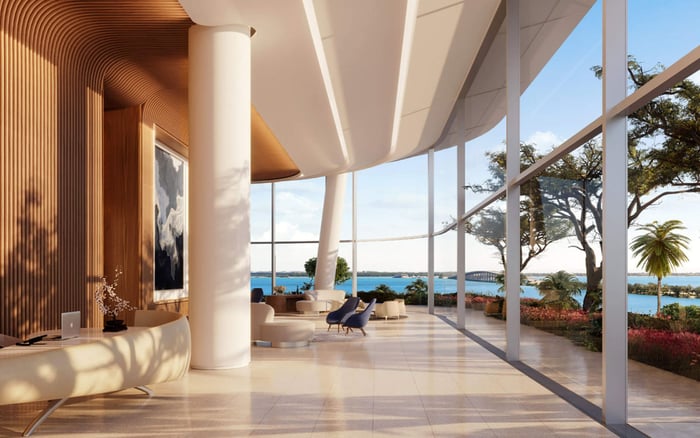
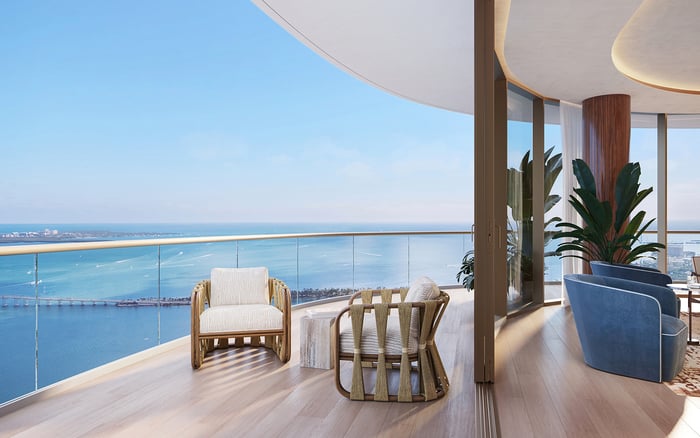
A disciplined offer at Baccarat Residences Brickell should account for the specific line, orientation, elevation, sightlines, potential noise, solar exposure, terrace comfort, privacy, and resale appeal.
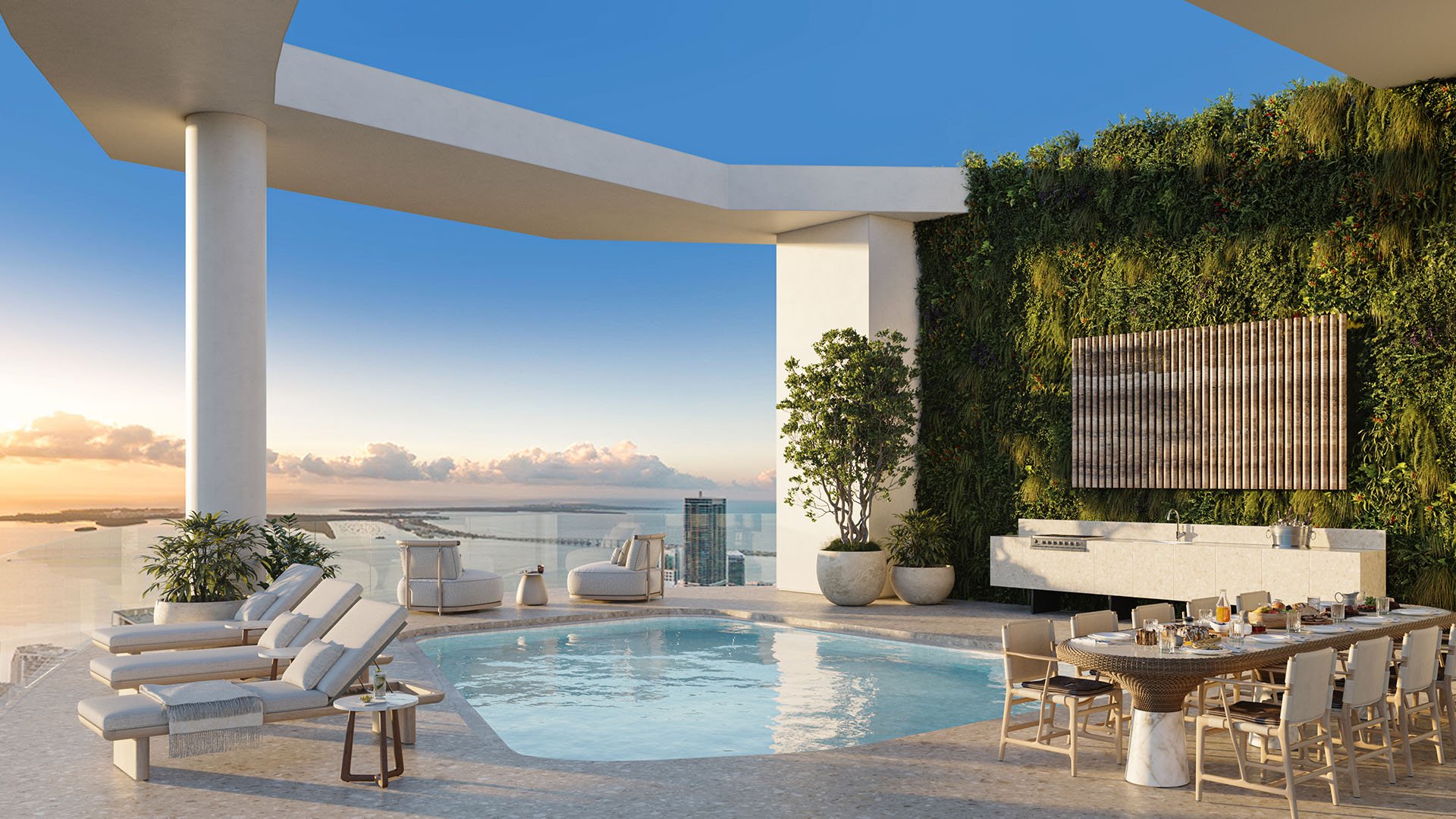
At Baccarat Residences Brickell, buyers should evaluate the individual residence rather than rely on a building-wide description. Confirm the unit number, line, floor, orientation, and current plan before deciding how much weight to give its view or layout.
Homes with similar bedroom counts can differ in natural light, visual openness, privacy, terrace usability, and exposure to surrounding activity. Those differences belong in the valuation analysis, especially when one residence carries a premium over another.
A view should be assessed by direction, depth, permanence, and relevance to the rooms used most often. Consider what is visible from the living area, primary suite, kitchen, and terrace rather than treating a single marketing image as representative of the entire home.
Water, skyline, and river outlooks can each appeal to a different buyer. The appropriate premium depends on the buyer’s priorities and on whether the outlook remains compelling throughout the day. When comparing alternatives such as The Residences at 1428 Brickell, apply the same room-by-room review instead of comparing towers only at a broad level.
Floor height can affect visual reach, privacy, and separation from street or waterfront activity, but elevation should not be priced in isolation. Review the residence’s relationship to neighboring buildings, outdoor spaces, access points, service areas, and other potential activity sources shown in current project materials.
Noise sensitivity is personal, so buyers should avoid assuming that one floor or orientation will suit everyone. If access is available, experience the setting at times that reflect the intended use of the home. Current plans and specifications should also be reviewed before relying on assumptions about acoustic comfort.
Orientation can influence morning brightness, afternoon glare, interior heat, and the hours when a terrace feels most comfortable. Evaluate the exposure of principal rooms and outdoor areas separately because they may not share the same conditions.
A buyer who values bright mornings may reach a different conclusion from one who prioritizes sunset use. The offer should reflect that personal fit rather than applying a universal premium to a compass direction. This approach also supports more precise comparisons with Cipriani Residences Brickell and Una Residences Brickell.
Privacy includes more than the arrival experience. Examine direct sightlines from neighboring residences, terraces, public areas, and surrounding buildings, with particular attention to the living area and primary suite.
A visually open residence may justify a premium when its outlook also limits direct exposure. Conversely, a dramatic view may require an adjustment if nearby sightlines reduce everyday comfort. The analysis should separate the value of floor, plan, size, view, privacy, and exposure so the same benefit is not counted twice.
Start with the closest relevant residence comparison, then adjust for the features that materially affect daily use. Give particular attention to view quality, elevation, potential noise, solar conditions, terrace comfort, and privacy.
Before making an offer, request current plans and project materials for the specific residence. A disciplined offer recognizes both strengths and compromises without assuming that the highest, largest, or most expensive option is automatically the best fit.
Why does the exact residence line matter? The line helps identify the home’s orientation, sightlines, exposure, and relationship to surrounding activity. These factors can distinguish residences with otherwise similar layouts.
Should a buyer rely on a building-wide view description? No. The view should be verified from the specific residence, principal rooms, and terrace using current materials and available access.
How should elevation influence an offer? Consider elevation alongside visual reach, privacy, neighboring structures, and potential activity below. It should not receive an automatic premium without that context.
How can potential noise be evaluated? Review current plans for nearby activity sources and experience the setting at relevant times if access is available. Personal noise sensitivity should guide the final adjustment.
Why is orientation important? Orientation can shape natural light, glare, heat, and terrace comfort. Its value depends on how those conditions align with the buyer’s routine.
Should terrace exposure be reviewed separately from interior exposure? Yes. Outdoor and indoor areas may experience different light, wind, sightlines, and activity conditions.
What privacy factors deserve attention? Review neighboring windows, terraces, public areas, and surrounding buildings for direct views into principal rooms and outdoor spaces.
Is the highest floor always the best choice? Not necessarily. The preferred floor depends on the buyer’s priorities for views, privacy, accessibility, exposure, and connection to the surroundings.
How should competing Brickell projects be compared? Use the same residence-specific criteria for each option, including line, floor, orientation, views, potential noise, solar exposure, and privacy.
What should be reviewed before submitting an offer? Request current plans and available project materials for the exact residence, then identify which strengths justify a premium and which compromises warrant an adjustment.
When you're ready to tour or underwrite the options, connect with MILLION.
If branded residences are on your mind — as a home or as an allocation — we would be glad to share what we are seeing, privately.
Begin a quiet conversation