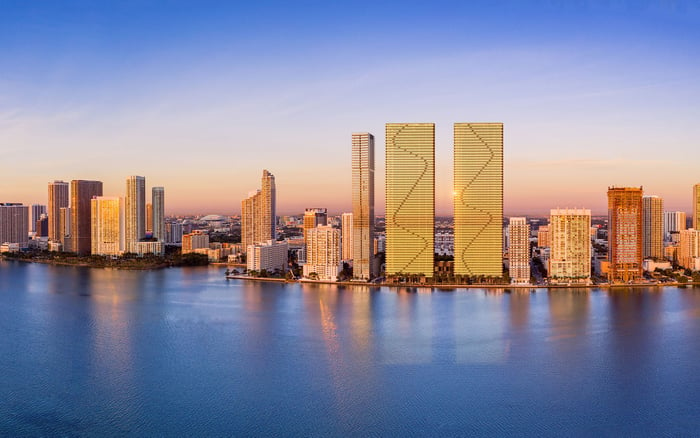
For a Madrid owner establishing a permanent home in Edgewater, the deed is more than a closing detail. Personal title and a carefully drafted revocable trust generally preserve more Florida homestead value than LLC ownership, while retained Spanish property requires separate cross-border planning.
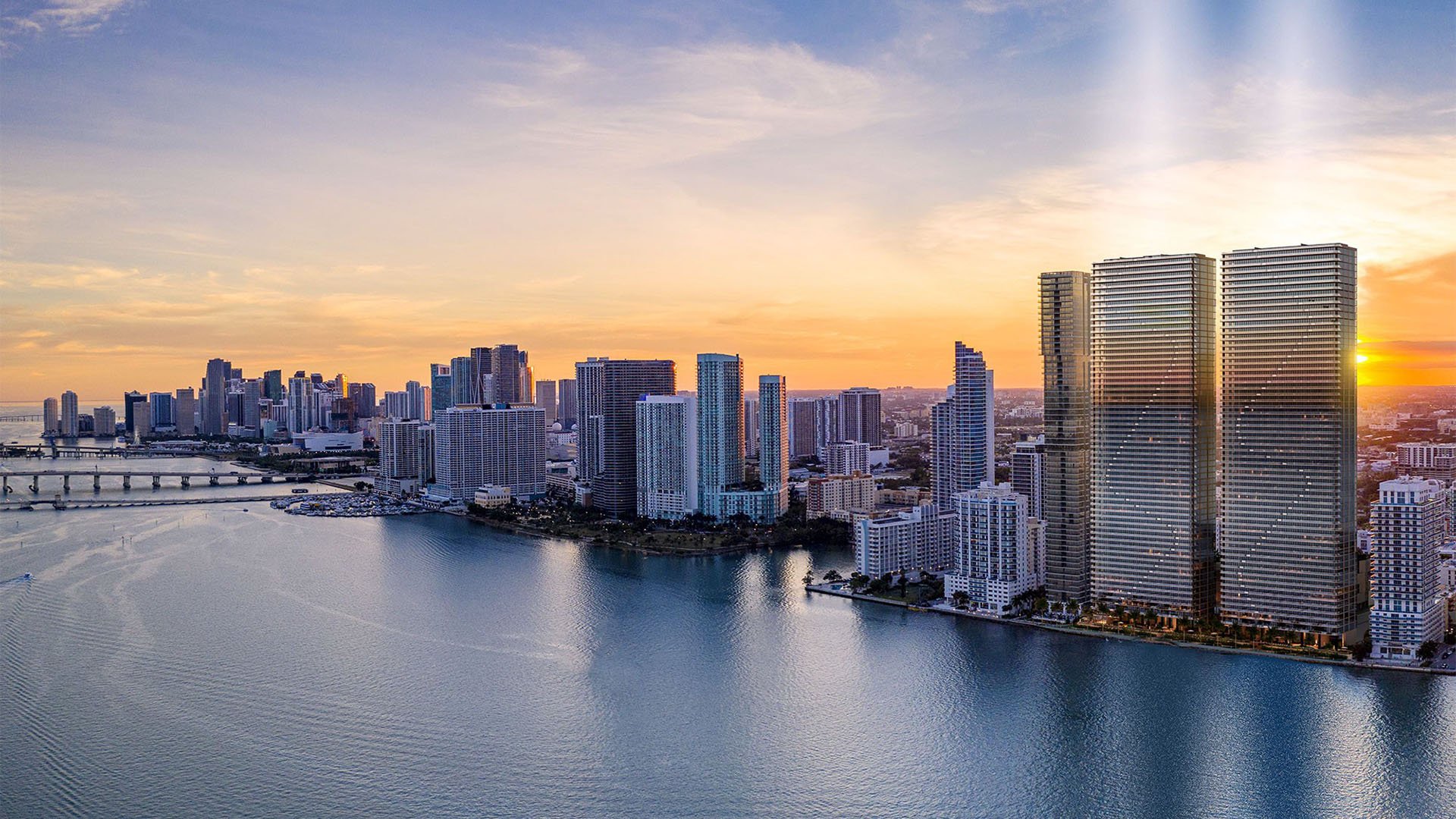
For a Madrid owner establishing a permanent home in Edgewater, selecting the residence and its ownership structure should proceed in tandem. The deed determines more than whose name appears in public records. It can affect eligibility for Florida's homestead property-tax exemption, access to constitutional creditor protection, estate-plan continuity, and the administrative burden after closing.
Florida's two principal homestead advantages are related but distinct. The property-tax exemption can reduce the taxable value of a qualifying permanent residence, while constitutional homestead protection can shield a qualifying home from many creditor claims. A structure that serves one objective should still be reviewed independently for the other.
This distinction matters when comparing residences such as Aria Reserve Miami or EDITION Edgewater. The architectural decision may be emotional, but title should reflect whether the condominium will truly become the buyer's permanent Florida home.
The right residence strategy begins with intended use, not a preferred legal vehicle.
Direct personal ownership is generally the clearest route when the Edgewater condominium will be a genuine primary residence. Florida typically favors natural-person ownership for both the homestead tax exemption and constitutional creditor protection. The owner must hold the required legal or equitable interest and occupy the property as a permanent residence.
Personal title is not automatically appropriate in every case. Buyers should coordinate the deed with marital planning, succession objectives, financing terms, and the condominium declaration. Yet placing a qualifying primary home in an LLC solely to create liability separation can be counterproductive because entity title generally surrenders Florida's unusually strong homestead creditor shield.
For a waterfront home intended as the center of family life, simplicity can carry considerable value. The buyer's documentary record, deed, immigration position, and daily conduct should tell a consistent story: this is the permanent residence, not an occasional base in Miami.
A properly drafted revocable living trust can offer an elegant alternative to personal title. When the resident retains sufficient beneficial ownership and the right to occupy the home, trust ownership can preserve homestead tax and creditor protections while supporting estate administration and succession planning.
The drafting is decisive. The applicant may need to provide trust information establishing a beneficial interest and the right to occupy the residence. Merely calling an instrument a living trust does not resolve the question. Its terms must establish the rights Florida law requires, and the beneficiary must actually use the property as a permanent home.
An irrevocable trust warrants greater scrutiny. It may not qualify unless the resident beneficiary receives a sufficient lifetime possessory interest. A Florida land trust can potentially support a homestead tax claim when its documents and the beneficiary's rights satisfy statutory ownership and residence requirements, but it is not a shortcut around them.
A buyer considering Villa Miami might therefore have counsel review the proposed trust before contract execution or closing, rather than assume a later amendment will cure incompatible language.
An LLC or corporation generally fits more naturally when the Edgewater acquisition is an investment property or rental residence for which no homestead claim is planned. Entity ownership may serve governance, participation, or liability objectives, but it also introduces administrative and tax-reporting obligations.
For a primary home, the tradeoff is sharper. An LLC generally cannot claim Florida's homestead property-tax exemption because the qualifying owner must hold legal or beneficial title as a natural person. Corporate or LLC title also generally forfeits the constitutional homestead creditor protection available to a qualifying individual.
Intended use is therefore the controlling question. If The Cove Residences Edgewater is acquired as a non-homesteaded rental, an entity may warrant consideration. If it will become the owner's permanent Florida residence, personal title or a qualifying revocable trust will generally preserve more homestead value.
A second-home plan can evolve into permanent residence, but homestead eligibility follows formal timing. An applicant must hold legal or equitable title and make the property a permanent residence as of January 1 of the relevant tax year. The regular application deadline is March 1.
A Madrid relocation or Edgewater closing after January 1 will therefore generally postpone eligibility until the next tax year. Buyers should not confuse a March filing deadline with the January status test. Closing date, physical occupancy, immigration and residence eligibility, and documentary evidence must all align.
Evidence may include a Florida driver's license or identification card, vehicle registration, voter registration, tax records, and other materials demonstrating permanent Florida residence. Not every item applies to every international buyer, so newly arrived Spanish residents should verify which evidence is appropriate for their status before relying on homestead in the acquisition model.
If a property was initially placed in an LLC as a second home, counsel should assess whether and when retitling is needed before a future homestead claim. That review should also consider lender consent, transfer consequences, the condominium declaration, and estate documents.
The most refined strategy does not impose one ownership structure on both properties. A personal or qualifying trust structure may suit an Edgewater homestead, while a retained Madrid residence may require Spain-specific analysis based on its use, value, financing, and ownership.
Spanish property retained after the owner becomes a non-resident may remain subject to municipal real-estate tax and non-resident taxation on actual rent or deemed income when unused. A high-value Madrid property may also raise wealth-tax considerations, while a sale can trigger capital-gains tax. Applicable rules can change, making the sequence of sale, relocation, and change of tax residence central to the plan.
Once the owner becomes subject to U.S. taxation, Spanish rental income and sale gains may require U.S. reporting alongside Spanish filings, with treaty and foreign-tax-credit questions considered separately. Holding the Madrid asset through a foreign entity can add U.S. information-reporting obligations. Cross-border advice should be refreshed near each transaction date.
Before the Edgewater deed is signed, the buyer's Florida real-estate counsel, estate-planning counsel, tax advisers, immigration counsel when relevant, and Spanish advisers should work from a single timeline. They should identify the intended use, confirm the feasibility of January 1 residence, test trust language, review financing and condominium restrictions, and model the consequences of retaining or selling the Madrid property.
The preferred structure is often direct title or a carefully drafted revocable trust for a true Florida primary residence, with entity ownership reserved for a genuinely non-homesteaded investment. This is a planning framework, not a substitute for advice tailored to the buyer, family, and assets.
For discreet guidance on selecting an Edgewater residence within a coordinated acquisition plan, connect with MILLION.
If branded residences are on your mind — as a home or as an allocation — we would be glad to share what we are seeing, privately.
Begin a quiet conversationPersonal ownership is generally the clearest structure for preserving Florida homestead tax and constitutional creditor protections, provided the home and owner qualify.
Generally, no. Florida typically requires the applicant to hold legal or beneficial title as a natural person.
Generally, no. LLC or corporate title forfeits the constitutional homestead protection otherwise available to a qualifying individual.
Yes, if it is properly drafted and the resident retains sufficient beneficial ownership, occupancy rights, and permanent-residence use.
Possibly, but only when its terms grant the resident beneficiary a sufficient lifetime possessory interest and other requirements are met.
The applicant generally must hold legal or equitable title and make the property a permanent residence as of January 1 of the tax year.
The regular deadline is March 1. A closing or relocation after January 1 will generally delay eligibility until the following tax year.
Evidence may include Florida identification, vehicle registration, voter registration, tax records, and other documents supporting permanent residence.
Not necessarily. Each property should have a structure tailored to its use, jurisdiction, tax treatment, and reporting obligations.
Potential obligations may include municipal real-estate tax, non-resident taxation, wealth tax, and U.S. reporting once applicable.