A Los Angeles-to-Downtown Miami relocation deserves a coordinated review of condominium governance, structural findings, reserve funding, and insurance history before the purchase decision becomes final.
Leaving Los Angeles for Downtown Miami involves more than choosing a residence with the right proportions, outlook, and atmosphere. A condominium purchase also requires evaluating the association responsible for the building. Effective diligence connects four subjects often reviewed separately: governing documents, structural condition, reserve funding, and insurance history.
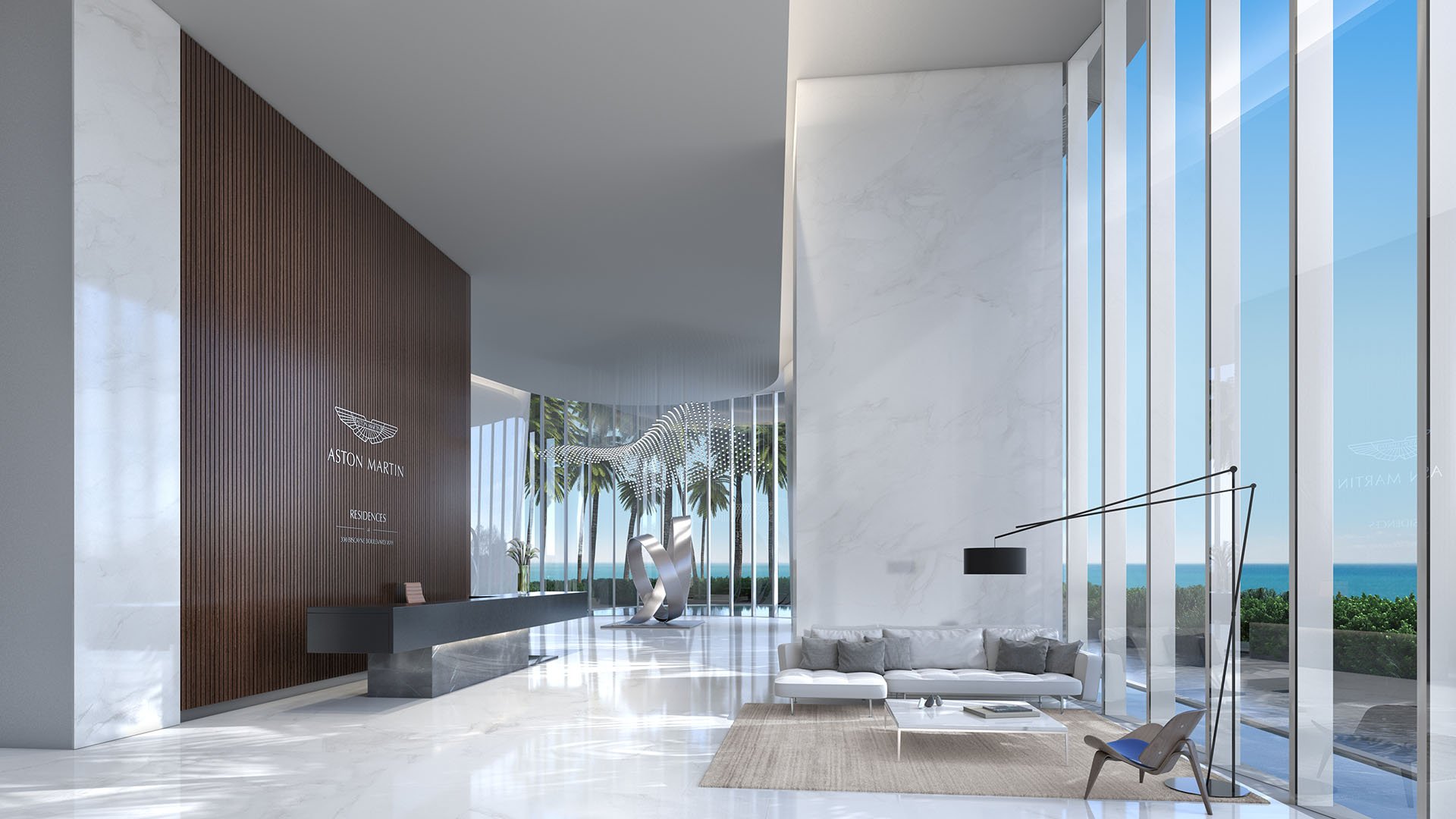
For a buyer considering Aston Martin Residences Downtown Miami, or another address on the shortlist, the principle is the same: assess the specific association and building, not the assurance conveyed by a name. No project mentioned here should be understood as having a verified inspection, funding, or insurance status.
The objective is not a guarantee of safety or predictable expenses. It is a clearer understanding of obligations before committing to ownership. Treat the move from California as relocation context, not as a reason to assume familiar condominium practices answer Florida-specific questions.
Begin by requesting the governing documents, financial statements, current adopted budget, reserve information, applicable Structural Integrity Reserve Study, milestone-inspection materials, recent meeting minutes, insurance policies, and information on pending litigation. Keep these materials in one file so each document can be checked against the others.
Ask your advisers to distinguish what is current, what is incomplete, and what needs follow-up. Read the budget alongside the reserve study; compare inspection findings with the repair plan; check discussions in meeting minutes against adopted assessments or documented capital projects.
For a shortlist that includes One Thousand Museum Downtown Miami, apply the same document-request framework used for every other candidate. A consistent review yields a more useful comparison than presentation materials alone.
Pending litigation belongs in this file, particularly disputes involving construction defects, insurance coverage, assessments, or repairs. Do not treat the existence of a dispute as a conclusion in itself. Have counsel explain its relationship to the association's financial and maintenance obligations.
Florida's milestone inspection evaluates structural condition to identify substantial structural deterioration. Residential condominium and cooperative buildings with three or more habitable stories generally require inspection at the applicable age threshold and every 10 years thereafter.
The standard state threshold is 30 years from the certificate-of-occupancy date. Local enforcement authorities may require inspection at 25 years because of local conditions. Do not assume every coastal condominium automatically falls under a 25-year state rule. Verify the building's date, the applicable local requirement, and its inspection status.
Phase 1 is a visual and qualitative assessment performed by a licensed architect or engineer. Substantial structural deterioration identified during that assessment triggers a more detailed Phase 2 inspection, which may include destructive or partially destructive testing and repair recommendations.
Request complete inspection documents, including any Phase 2 findings, rather than accepting a summary or an assurance that the building was recently inspected. Review identified problems for urgency, remediation plans, estimated costs, and the remaining useful lives of major components.
A Structural Integrity Reserve Study, or SIRS, serves a different purpose: estimating designated components' future repair and replacement funding needs. Covered condominium associations must complete one at least every 10 years for each building with three or more habitable stories. Initial deadlines depend on applicable transition provisions. Neither December 31, 2025 nor December 31, 2026 should be treated as a universal deadline without verifying the association's circumstances.
Miami-Dade's building-recertification program is distinct from the state's milestone-inspection requirement. It requires written assessments by a Florida-registered engineer or architect addressing structural and electrical safety for continued occupancy.
Coastal location can affect local inspection timing, including earlier requirements for certain condominium and cooperative buildings within three miles of the coastline. That local consideration should not be conflated with the state milestone threshold.
Request the building's applicable recertification documentation and clarify its status alongside the milestone materials. Where timing or scope is unclear, seek an explanation from the appropriate adviser or enforcement authority rather than assuming one review satisfies the other. The practical question is whether each applicable requirement has been addressed and whether any findings still require action.
A reserve balance is meaningful only in relation to the work it must fund. Evaluate adequacy against the SIRS and component-level obligations, not merely the association's total cash reserves.
Compare identified repairs and future replacements with the adopted budget, reserve contributions, special assessments, and documentation for planned or completed capital projects. Where a technical finding calls for work, ask how that work appears in the financial plan. Where costs remain estimates, maintain that distinction rather than treating an estimate as a settled obligation.
As you evaluate Casa Bella by B&B Italia Downtown Miami or another candidate, request the applicable materials for that specific purchase and clarify which obligations are documented. A consistent review standard does not mean every building will have the same inspection timetable or available records.
Recent meeting minutes provide essential context. Read them alongside financial and technical documents to identify developing maintenance concerns, assessment discussions, and changes in planned work. If minutes describe an issue absent from the budget or repair documentation, ask for reconciliation before drawing a conclusion.
Proof that an association carries insurance is not the same as understanding its policy. Request the policies and review coverage limits, deductibles, endorsements, and exclusions with an insurance professional.
Obtain recent claims or loss history, paying particular attention to unresolved damage and open or denied claims. Cross-check that history against inspection findings, repair documentation, meeting minutes, and any coverage litigation. The purpose is to identify unanswered questions, not to assume a past claim establishes the building's present condition.
Review master-policy coverage alongside your individual insurance needs and obtain an HO-6 quote before closing. This brings the unit-level insurance decision into the same review as association coverage, rather than deferring it until the purchase is complete.
Whether your search includes Waldorf Astoria Residences Downtown Miami or another residence, organize unresolved questions into a concise closing review: structural findings, planned remediation, funding commitments, applicable inspection deadlines, insurance terms, and pending disputes.
Ask your legal, technical, and insurance advisers to review the portions relevant to their expertise. Keep documented conclusions separate from estimates and representations. A polished residence can remain compelling while its ownership obligations receive rigorous scrutiny.
For a discreet conversation about your Downtown Miami residential search, connect with MILLION.
If branded residences are on your mind — as a home or as an allocation — we would be glad to share what we are seeing, privately.
Begin a quiet conversationRequest governing documents, financial statements, the adopted budget, reserve information, applicable SIRS, milestone materials, meeting minutes, insurance policies, and pending-litigation information.
It evaluates the building's structural condition to identify substantial structural deterioration. It is not a substitute for reviewing reserve funding or insurance.
Covered buildings generally reach the state threshold at 30 years from the certificate-of-occupancy date, with inspections every 10 years thereafter. Local enforcement authorities may require inspection at 25 years because of local conditions.
No. Verify the applicable local requirements and building-specific timing rather than assuming coastal location automatically changes the state threshold.
Substantial structural deterioration identified during Phase 1 triggers a more detailed Phase 2 inspection. That review may include destructive or partially destructive testing and repair recommendations.
A milestone inspection assesses structural condition, while a SIRS estimates designated components' future repair and replacement funding needs. Covered associations must complete a SIRS at least every 10 years for each qualifying building.
No. Buyers should verify the association's applicable transition provisions rather than treating December 31, 2025 or December 31, 2026 as universally applicable.
No, it is a separate diligence track. Miami-Dade recertification requires written assessments addressing structural and electrical safety for continued occupancy.
Compare reserves with the SIRS and component-level obligations. Reconcile identified work with budgets, reserve contributions, special assessments, and capital-project documentation.
Review master-policy limits, deductibles, endorsements, exclusions, and recent claims or loss history, including unresolved damage and open or denied claims. Obtain an HO-6 quote that considers your individual needs alongside association coverage.