A buyer-focused framework for comparing orientation, geometry, views, future exposure, lifestyle fit, and resale defensibility across three Bay Harbor Islands developments.
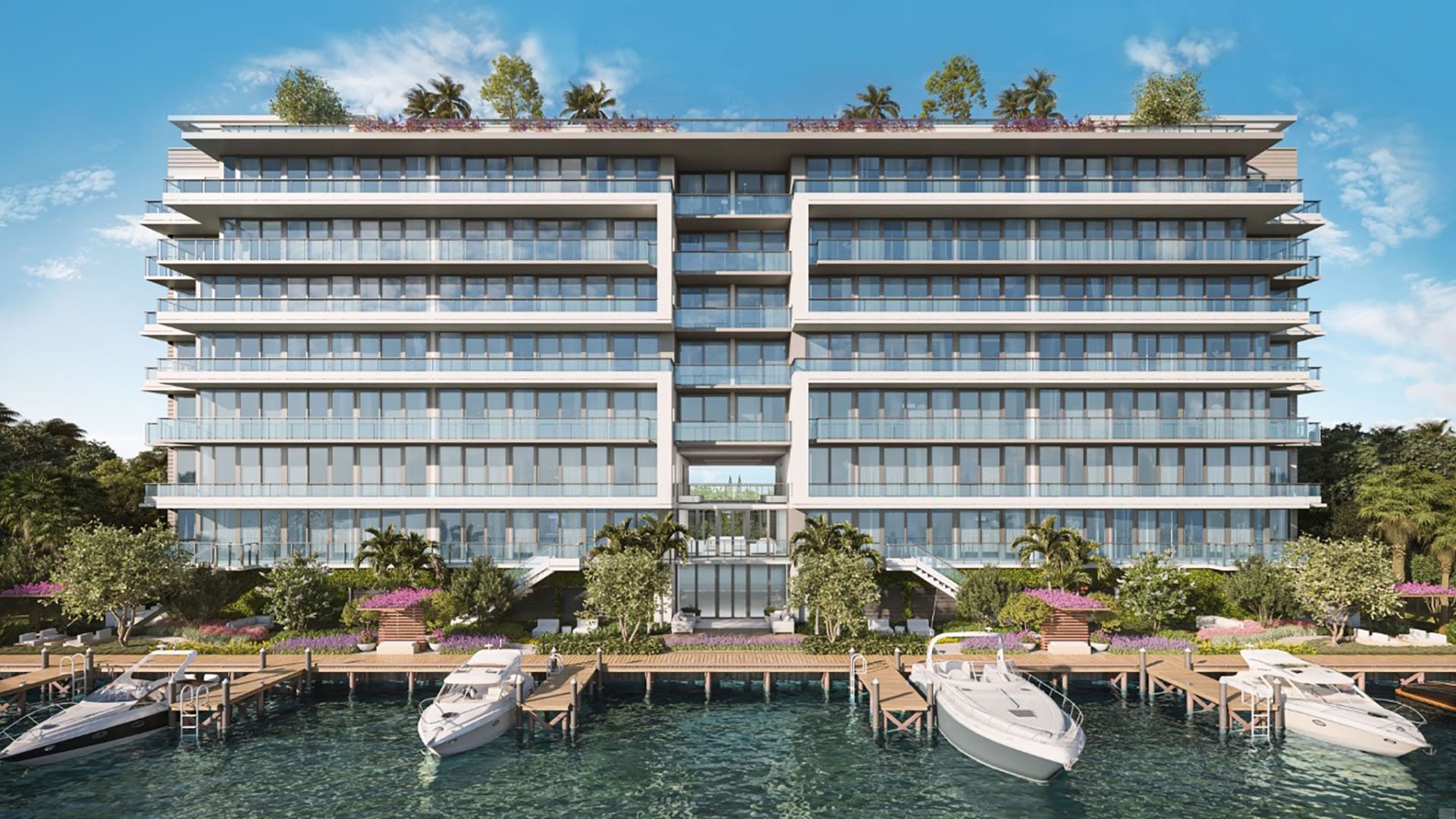
In a boutique condominium market, the word “premium” can be deceptively simple. It may suggest the broadest floor plan, the highest asking price, or the most dramatic first impression. Yet sophisticated line selection demands greater precision. A residence earns its premium through the relationship among orientation, floor-plan geometry, view quality, privacy, intended use, and long-term marketability.
That distinction is especially relevant in Bay Harbor Islands, where buyers may compare three distinct contemporary offerings within the same broader submarket. The right question is not which development or residence is universally best, but which line delivers the strongest combination of daily enjoyment and resale defensibility for a particular buyer.
Within the Bay Harbor conversation, line selection should therefore begin before finishes, furniture, or emotional preference dominate the decision. Size matters, but it is only one component of value.
At La Baia North Bay Harbor Islands, buyers should study architectural orientation rather than default to square footage. A larger residence can be less compelling if its principal rooms face a weaker corridor, its layout contains inefficient transitional space, or its outlook is more exposed to neighborhood change.
The Well Bay Harbor Islands introduces another consideration: branded lifestyle positioning. That identity should be tested against how the residence will actually be used. A primary resident, a seasonal owner, and a buyer focused on investment discipline may assign very different values to the same line, even when its visual appeal is immediate.
At Mila Bay Harbor Islands, the same principle applies. The largest option is not automatically superior. Orientation, view exposure, spatial organization, personal use, and financial considerations must work together. None of the three projects can be responsibly ranked without unit-specific and floor-specific evidence.
Orientation is more than a compass point. Buyers should examine what each principal room faces, how the outlook is framed, and whether the interior sequence gives important spaces meaningful access to that exposure. A desirable direction cannot compensate for a plan that places circulation, secondary rooms, or structural constraints where the residence should feel most open.
Stack geometry deserves equal attention. Compare room proportions, wall lengths, entry sequences, bedroom separation, and the connection between indoor living areas and exterior space. For a primary home, privacy and storage may carry greater weight. For a second home, ease of arrival, intuitive circulation, and entertaining flow may matter more.
A water view can create emotional force, but it should not be evaluated as a static photograph. Buyers should consider how the view reads while seated, standing, dining, or moving through the home. Floor level can alter the experience of the same line, so stack and elevation should always be assessed together.
The most consequential due diligence may occur beyond the residence itself. A current opening between buildings can appear permanent even when vulnerable to future infill. Conversely, a less theatrical outlook may prove more durable if its corridor is structurally or legally less exposed.
For La Baia North and Mila, premium-line analysis should explicitly consider whether views are protected or susceptible to future neighborhood development. At The Well, the same discipline supports a clearer judgment about whether immediate visual appeal can translate into sustained value and liquidity.
Buyers should request current site plans, verified sightlines, floor-specific elevations, and a careful analysis of nearby development rights. They should also distinguish between a broad panorama and a narrow view slot. Both may be attractive, but they do not offer the same resilience or resale narrative.
The optimal line changes with the intended use. A full-time resident may prioritize bedroom privacy, practical furniture placement, and a calm outlook throughout the day. A seasonal owner may favor a more dramatic arrival and stronger entertaining spaces. An investment-minded purchaser may emphasize broad buyer appeal, efficient geometry, and a view story that remains easy to communicate at resale.
At The Well, lifestyle positioning belongs within this usage analysis rather than above it. The concept should reinforce the owner’s routines and priorities. At La Baia North, personal enjoyment, floor-plan geometry, lifestyle fit, and liquidity should be weighed together. At Mila, spatial layout, view quality, intended use, financial considerations, and resale defensibility form the same integrated test.
A premium may be rational when several advantages align. It becomes harder to defend when one photogenic attribute carries the entire proposition.
First, compare like with like. Review lines at similar elevations where possible, then isolate the value of orientation, geometry, and outlook. Second, map how the home will be occupied throughout an ordinary day, including furniture placement and privacy between rooms. Third, test the view corridor against surrounding parcels rather than accepting the present skyline as permanent.
Finally, consider the future buyer. Resale liquidity often favors residences whose advantages are clear without extensive explanation. Balanced plans, coherent views, and adaptable living spaces can appeal to a wider audience than a line with one spectacular feature and several compromises.
This does not eliminate emotion from the purchase. It disciplines emotion with evidence. In Bay Harbor Islands, the strongest premium line is the one whose architecture, outlook, use case, and financial logic remain aligned after the initial impression has passed.
What makes a condominium line premium? A premium line combines orientation, usable geometry, view quality, lifestyle fit, and resale defensibility rather than relying on size alone.
Is the largest residence usually the best choice? No. A smaller line may offer stronger proportions, a clearer outlook, or a layout that better supports the buyer’s intended use.
Why does stack geometry matter? Stack geometry shapes circulation, privacy, furniture placement, room proportions, and the connection between interior spaces and views.
Should buyers prioritize views over layout? Not automatically. A compelling view can lose value if the plan is inefficient or the outlook is vulnerable to future development.
How should floor level affect line analysis? Buyers should compare floor-specific elevations because the same stack can deliver a materially different visual experience at another height.
What should buyers investigate about future infill? They should examine nearby development rights, site relationships, and whether an important view corridor appears protected or vulnerable.
How does intended use change the ideal line? Primary residents, seasonal owners, and financially focused buyers may value privacy, entertaining flow, convenience, and liquidity differently.
Does branded lifestyle positioning guarantee value? No. It is most persuasive when it fits the owner’s usage pattern and is supported by sound orientation, geometry, and marketability.
Can the three projects be ranked by premium lines? Not responsibly without current plans, verified sightlines, floor-specific elevations, and unit-level comparisons.
What is the most useful final test before purchasing? Ask whether the line’s principal advantages will remain enjoyable, understandable, and defensible to a future buyer.
For a discreet conversation and a curated building-by-building shortlist, connect with MILLION.
If branded residences are on your mind — as a home or as an allocation — we would be glad to share what we are seeing, privately.
Begin a quiet conversation