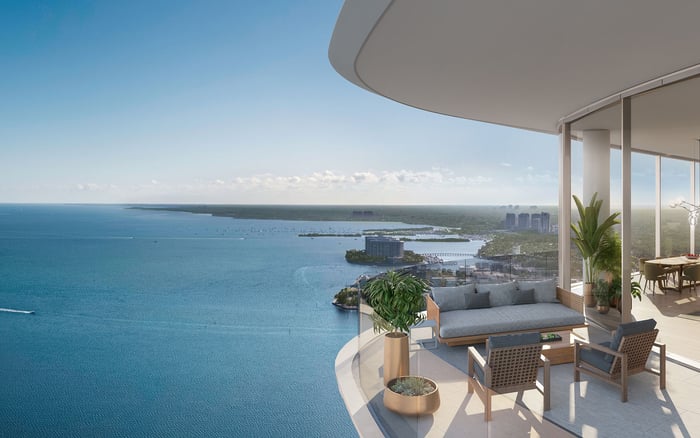
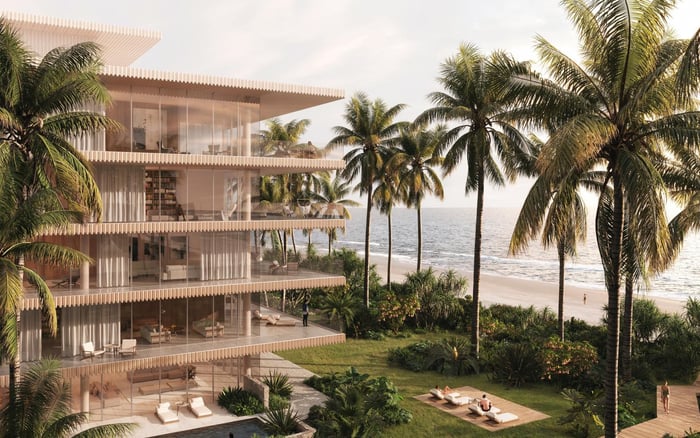
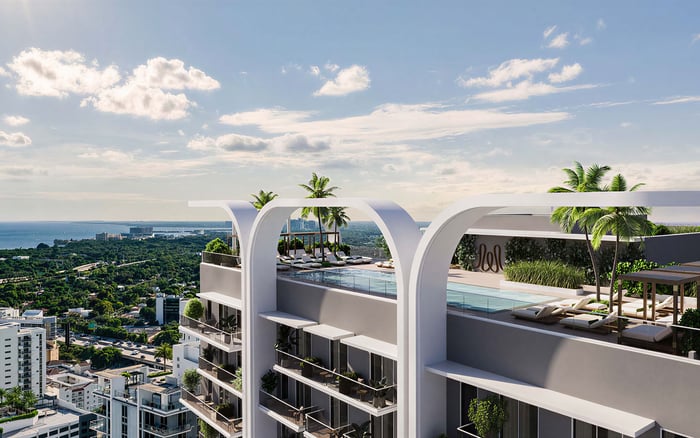
A buyer-focused look at Una Residences Brickell through the lenses that matter most in daily life: view quality, natural light, privacy, and whether terraces function as true outdoor rooms.
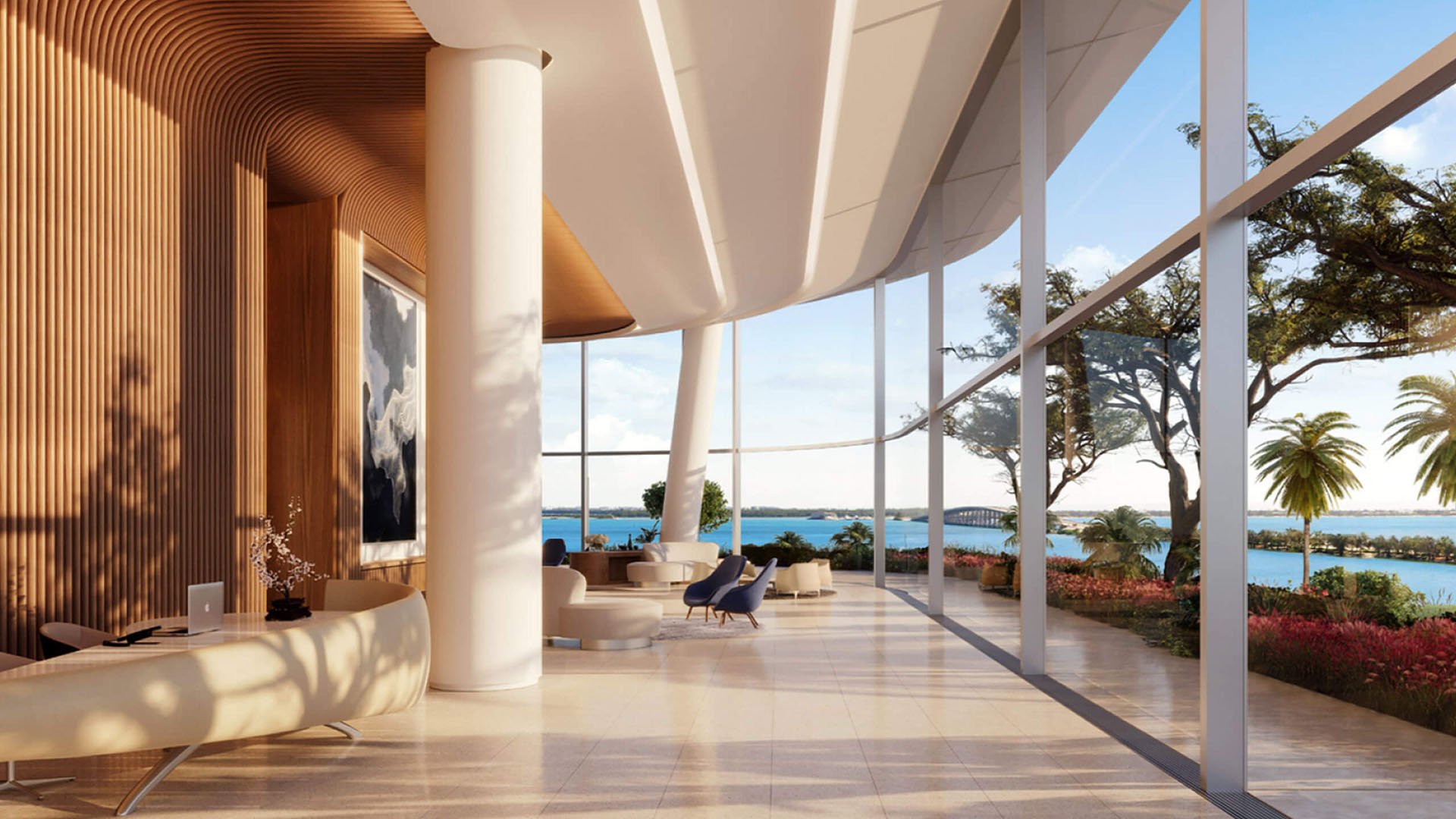
At the top of the Brickell market, the line between an impressive residence and a genuinely livable one often comes down to three quiet variables: view, light, and terrace. Una Residences Brickell belongs in that conversation because buyers here are rarely evaluating square footage alone. They are measuring the feeling of arrival, the direction of morning brightness, the privacy of a glass line, and whether an outdoor area will be used every day or merely admired during a showing.
This is where a disciplined eye matters. A view may be cinematic in one direction and compromised in another. Natural light may feel glamorous at one hour and too exposed at the next. A terrace may look generous on a plan yet fail the furniture test if circulation, columns, railings, door swings, and wind exposure are not considered together. For a buyer comparing Brickell residences, the question is not whether a home has views and terraces. It is how those elements behave.
The word waterview can mean several different things in practice. It may describe a broad sweep, a framed corridor, an angled glimpse, or a composition that changes as nearby towers, bridges, and city lights enter the foreground. In Brickell, that layering can be part of the pleasure. The strongest views are not necessarily the simplest. A residence can feel richer when water, skyline, treetops, and evening illumination create depth rather than a single postcard image.
For buyers, the important exercise is to stand where life actually happens. Look from the kitchen island, the primary bed wall, the seating area, and the point where indoor and outdoor rooms meet. A dramatic view from the terrace edge matters less if the main living space reads as closed, or if the principal sightline is interrupted once furniture is placed. The most persuasive home lets the eye travel naturally across the room and out, without requiring the resident to go searching for the view.
This is also why high floors should be studied with nuance. Elevation may improve openness, but it can also change the relationship to the street, the water, and the human scale of the neighborhood. Some buyers prefer the theatrical quality of height. Others want a closer connection to the movement of Brickell. Neither is inherently superior. The correct choice is the one that matches how the owner wants to feel at breakfast, at sunset, and late at night.
Natural light is often treated as an aesthetic feature, but it is also a practical one. The way sunlight enters a residence affects artwork, upholstery, temperature perception, screen use, sleep rhythms, and the mood of daily routines. In a glass-forward urban home, the question is not simply whether the residence is bright. It is whether the light is balanced, usable, and comfortable.
A serious buyer should revisit the home, or at least study it, with time of day in mind. Morning light can feel restorative and calm. Afternoon intensity may be beautiful but demanding. Reflected light from neighboring glass can alter the experience. Cloud cover, seasonal shifts, and the angle of the sun all change how a room performs. The most successful layouts allow brightness without forcing constant shading.
In Brickell, this is especially relevant because the neighborhood is dense, vertical, and reflective. Buyers comparing St. Regis® Residences Brickell, Baccarat Residences Brickell, and Una are not only comparing brands or finishes. They are comparing light behavior, privacy, and the emotional tone of each residence. A home that photographs brilliantly may not be the one that feels best for a person who works from home, entertains at dusk, or wants a softer daily atmosphere.
A terrace succeeds when it behaves like an outdoor room. That means there should be a logical place for seating, a clear path from the interior, and enough depth for people to move without shuffling sideways around furniture. A balcony can be valuable too, especially when it frames a private moment, but buyers should be honest about the distinction. A place for one chair and a coffee is not the same as a place for dinner, conversation, and extended evening use.
The most important test is furniture. Before being persuaded by the romance of open air, imagine the exact pieces that will live outside: dining table, lounge chairs, planters, side tables, or perhaps nothing more than a sculptural pair of chairs. Then trace the movement from the kitchen or living room to the terrace. If serving drinks requires awkward turns, if doors interrupt the usable area, or if the best view is only available when standing at the rail, the terrace may be more visual than functional.
Privacy is the second test. In an urban luxury setting, outdoor space is valuable precisely because it offers release from the interior. If neighboring sightlines make the terrace feel exposed, the owner may use it less often than expected. Rail height, glass reflectivity, building angles, and the location of adjacent balconies all matter. The ideal terrace feels open without feeling observed.
Brickell is now a study in increasingly specialized luxury. Some residences prioritize hospitality cues. Others emphasize architecture, wellness, branded service, or a more residential tone. Within that field, Una should be assessed through the buyer’s personal hierarchy rather than by a generalized idea of prestige. Does the residence support quiet mornings, formal entertaining, a lock-and-leave routine, or a year-round primary home? The answer changes the value of every view and terrace choice.
A buyer considering Cipriani Residences Brickell may be thinking differently than one drawn to The Residences at 1428 Brickell. The comparison should remain practical. How does the elevator arrival lead into the living space? Does the main room have a natural furniture wall? Are the terrace doors aligned with how guests will circulate? Does the principal bedroom feel protected, or does it perform mainly for the view?
These questions are intentionally unglamorous. They are also the questions that protect a luxury purchase. In a market where many homes offer impressive materials and dramatic glass, the advantage belongs to the buyer who can distinguish visual seduction from daily comfort.
Walk slowly. Begin at the entry and notice whether the residence reveals its view all at once or gradually. A gradual reveal can feel more refined, while an immediate panorama can create drama. Then stand in silence in the living room. Notice glare, sound, privacy, and whether the terrace feels like an extension of the interior or a separate add-on.
Next, test the primary suite. In many luxury residences, the bedroom view is used as a signature moment, but daily comfort depends on more than glass. Consider where the bed sits, how morning light enters, and whether window treatments will be used often. If the room requires constant control to feel restful, that should be part of the value calculation.
Finally, return to the terrace at the end of the showing. By then, the initial excitement has softened and the practical questions become easier to answer. Would you drink coffee here? Would you dine here? Would you use it in July, after rain, or on a windy evening? The best terrace does not need to be the largest. It needs to be the one that invites repetition.
What should buyers focus on first at Una Residences Brickell? Start with the relationship between the living room, view, and terrace. Those elements define the daily experience more than presentation alone.
Is a higher floor always better in Brickell? Not always. Higher elevation can improve openness, but some buyers prefer a closer visual connection to the neighborhood and water movement.
How should I judge a terrace before buying? Test it with real furniture dimensions and circulation paths. A terrace is valuable when it can be used comfortably, not merely viewed.
Why does natural light matter so much in a glass residence? Light affects comfort, privacy, heat perception, artwork, and work-from-home routines. The best light feels controlled rather than harsh.
What is the difference between a balcony and a terrace? A balcony may offer a private outdoor pause, while a terrace typically suggests a more usable outdoor room. Depth and layout are decisive.
Should I visit at different times of day? Yes, when possible. Morning, afternoon, and evening can create very different impressions of glare, privacy, and view quality.
How important is privacy on an urban terrace? Very important. If a terrace feels exposed to neighboring sightlines, it may be used less often than expected.
Can a view be too dependent on one angle? Yes. The strongest residences offer satisfying sightlines from the places where people sit, cook, dine, and sleep.
How should Una be compared with other Brickell residences? Compare lifestyle fit, not only finishes or branding. Study arrival, room proportions, light, terrace usability, and privacy.
What is the most overlooked detail in evaluating outdoor space? Circulation is often overlooked. If movement around furniture feels tight, the terrace may not live as generously as it appears.
For a tailored shortlist and next-step guidance, connect with MILLION.
If branded residences are on your mind — as a home or as an allocation — we would be glad to share what we are seeing, privately.
Begin a quiet conversation