At Six Fisher Island, seasonal ownership should be governed by a precise operating brief covering inspections, access, emergency escalation, storm preparation, medical response and auditable records.
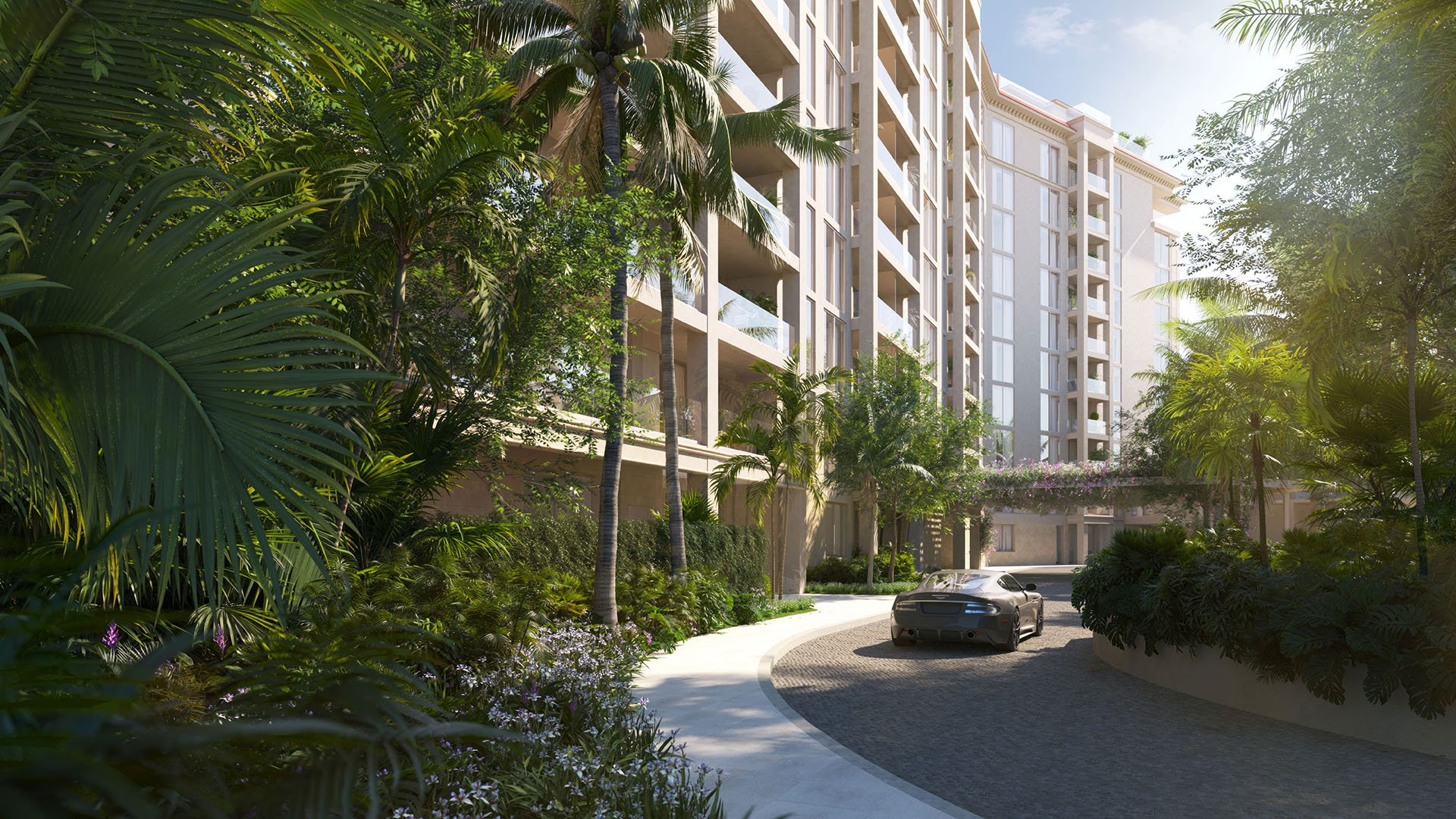
At The Residences at Six Fisher Island, the proposition is deliberately intimate: approximately 50 large-format residences across 10 stories at 6 Fisher Island Drive. The service structure includes a 24-hour residential butler, a dedicated concierge team and an on-site general manager responsible for daily operations and in-residence services. For an owner who may be away for months, however, staffing alone does not constitute a defined duty of care.
The critical question is not whether home management appears among the amenities, but what management is contractually required to inspect, document, authorize and communicate when no principal is present. Seasonal ownership works best when the building, the island, the club and the owner’s private vendors are treated as distinct operational layers, with responsibilities assigned before an incident occurs.
In seasonal ownership, service becomes valuable when responsibility is written, timed and documented.
Fisher Island Club is another distinct layer. Buyers approved for membership receive the lifetime membership initiation at the developer’s cost when their condominium purchase closes. Eligibility remains with the club, while owners remain responsible for annual dues, assessments and use-related charges. None of these arrangements should be presumed to define condominium management or in-unit absence care.
A seasonal-owner agreement should begin by defining inspection frequency. It should specify how often staff enters the residence and what each visit covers, including air-conditioning, plumbing, alarms, leak detection and other in-unit systems. The agreement should also identify the reporting channel, the expected response time when an irregularity is found and the party responsible for follow-up.
Pricing requires equal precision. Regular condominium charges should be separated from billable in-unit maintenance, stocking, pre-arrival preparation and vendor coordination. Owners should establish spending limits and approval thresholds, including a narrow emergency exception. After-hours contacts should be identified by role rather than left to a general service promise.
This discipline applies across Fisher Island’s residential spectrum. Owners considering Palazzo del Sol or Palazzo della Luna can follow the same principle: compare written scope, access control, fee schedules and escalation procedures-not amenity language alone. Lifestyle expectations may be elevated, but accountability still begins with documents.
Six Fisher includes 24/7 security and valet service within Fisher Island’s controlled-access environment. Gated-community security is a meaningful perimeter layer, but it does not replace unit-level access governance. A vacant residence should have logged key custody and an access record identifying every staff member, guest or vendor who enters, along with the time, purpose and authorization for each entry.
Emergency-entry provisions should answer three questions: who may authorize access, which conditions permit entry without advance consent and how quickly the owner must be notified. The owner should also receive written rules governing guest registration, contractor vetting, deliveries and rentals. These policies preserve a consistent security standard when household staff, designers, repair specialists or guests require access during an absence.
For larger estates, the same controls matter even when the ownership format changes. At The Links Estates at Fisher Island, buyers evaluating a residence can still treat access logs, delegated authority and vendor protocols as core diligence questions. Waterfront privacy should never depend on informal familiarity alone.
A written incident-response matrix should cover leaks, smoke alarms, outages and unauthorized access. For each event, it should identify the first responder, escalation path, owner-notification deadline and reporting format. It should also name the person authorized to approve mitigation if the owner cannot be reached.
The hierarchy must be unambiguous. In an emergency, residents are directed to call 911 first and contact island Public Safety only after the dispatcher says it is safe to end the call. Building personnel and island Public Safety support municipal responders; they do not replace them. A practical emergency profile should therefore include current contacts, unit-entry instructions, authorized decision-makers and relevant information for residents, family members and guests.
Owners should test the matrix against specific scenarios. If leak detection activates overnight, who verifies the condition, who may shut off the water and when are photographs sent? If a smoke alarm triggers, who calls 911 and who controls access to the residence? If unauthorized entry is suspected, who preserves access records and alerts the owner? Precision eliminates avoidable improvisation.
UHealth at Fisher Island provides primary care, concierge-style medical support and 24/7 access to clinic professionals for residents and equity members. Seasonal owners should still request a documented medical pathway covering 911 notification, responder entry, elevator control, staff guidance and coordination with the island clinic.
Transportation should be part of the same plan. Six Fisher’s program includes a residents-only house tender, house-car service, complimentary golf carts, bicycle storage and assigned parking. Owners should determine whether the tender, house car, ferry or another mode can support a particular emergency-and what backup applies during severe weather. The answer should clearly distinguish routine convenience from emergency capability.
This distinction is especially important for second-home households whose family members, guests or domestic teams may not know the island’s procedures. A concise emergency card inside the residence, aligned with the management file, can state whom to contact and in what order without confusing hospitality services with first response.
A hurricane plan should define pre-storm terrace securing, system checks, post-storm entry and photographic reporting. It should also allocate responsibilities among building management, security and owner-appointed vendors. The owner needs to know when preparation begins, what management will handle, which services incur additional charges and what happens if a private vendor cannot reach the island.
Post-event reporting should be equally structured. Dated inspection logs, photographs, incident reports, invoices and repair authorizations create an auditable record for accountability and potential insurance needs. A verbal assurance that the residence was checked is no substitute for a time-stamped file documenting conditions and actions.
Amenity descriptions should be tested against the condominium declaration, association budget, purchase agreement, management contract, insurance documents and current service fee schedule. Owners should reconcile overlapping language and identify gaps among association obligations, optional home management and privately retained services.
For buyer’s guides focused on seasonal ownership, the decisive checklist is operational: inspection cadence, response times, access logs, spending authority, after-hours contacts, emergency entry, medical coordination, severe-weather transport and retained records. The residents-only amenities-including two pools, a restaurant and cocktail lounges, a padel court, guest suites, a boardroom, Sanctuary Spa and a private dock with house tender-enrich the experience. They should sit alongside, not obscure, the systems that protect an unoccupied home.
The refined ownership model is not merely high-touch. It is legible, accountable and prepared for absence. To evaluate Six Fisher Island and other exceptional South Florida residences with discreet buyer representation, connect with MILLION.
If branded residences are on your mind — as a home or as an allocation — we would be glad to share what we are seeing, privately.
Begin a quiet conversationThe agreement should state a specific inspection frequency and define checks for air-conditioning, plumbing, alarms, leak detection and other systems.
Owners should not assume it is. The agreement should separate regular charges from billable maintenance, stocking, pre-arrival work and vendor coordination.
It should log custody and record every staff member, guest or vendor entering the residence, including the time, purpose and authorization.
The contract should identify qualifying emergencies, who may authorize entry and the deadline for notifying the owner afterward.
Residents are directed to call 911 first, then contact island Public Safety after the dispatcher says it is safe to end the call.
No. Building staff and island Public Safety should be treated as support for municipal emergency responders, not substitutes.
It should include current contacts, entry instructions, authorized decision-makers and relevant information for residents, family members and guests.
It should address 911 notification, responder access, elevator control, staff guidance and coordination with the island clinic.
It should define terrace securing, system checks, post-storm entry, photographic reporting and coordination among management, security and private vendors.
Owners should retain dated inspection logs, photographs, incident reports, invoices and repair authorizations for accountability and potential insurance needs.