Regalia’s rare one-residence-per-floor format gives the tower enduring appeal, but its documented developer-side management dispute underscores why buyers should examine current contracts, governance records and financial obligations before closing.
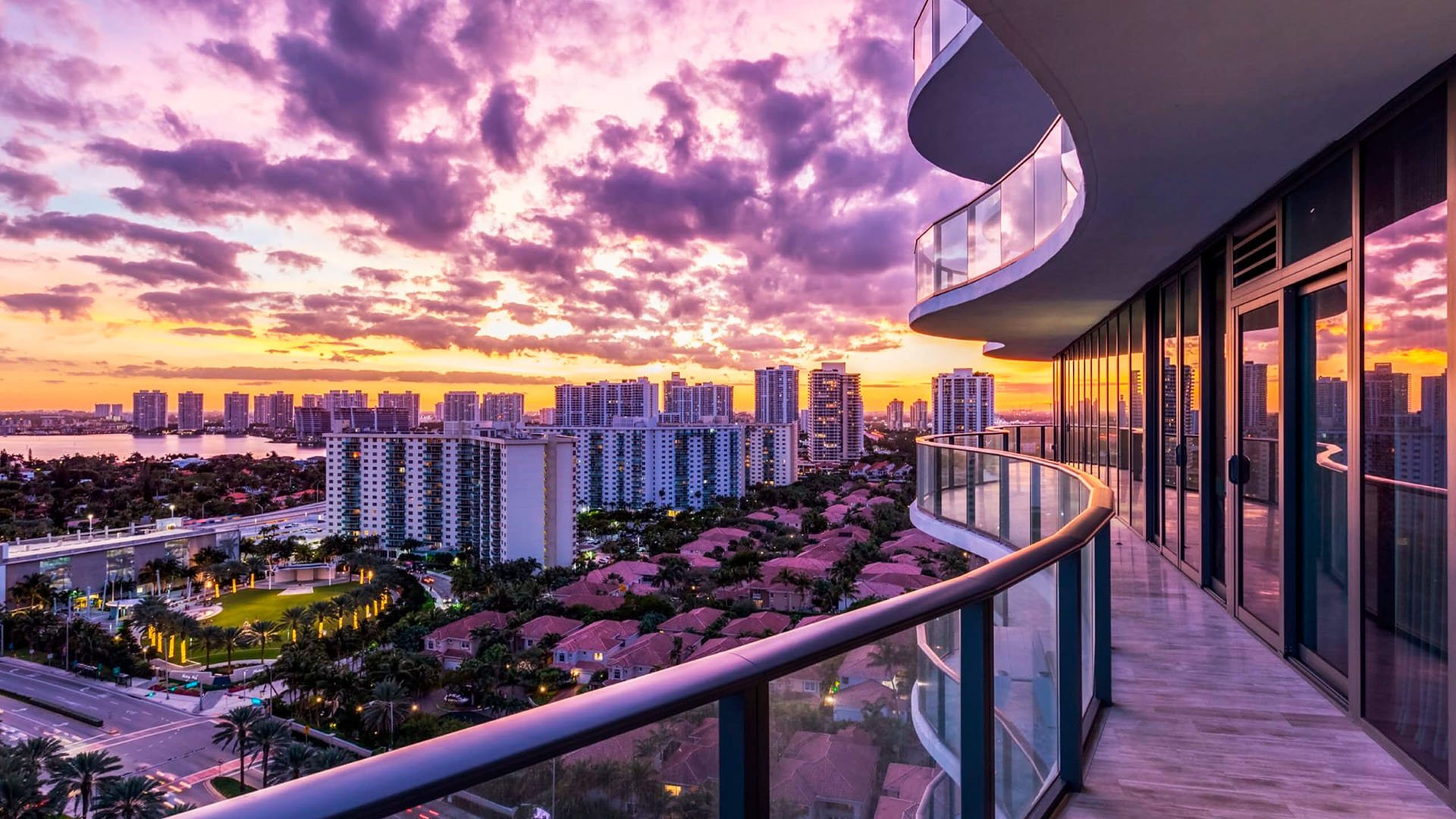
At 19575 Collins Avenue, Regalia Sunny Isles Beach holds an unusually private position in the Sunny Isles Beach market. Completed in 2014 through Regalia Beach Developers LLC, the 46-story oceanfront condominium comprises 39 residences, generally arranged as one home per floor-a format that places privacy and exclusivity at the center of its ownership proposition.
That architectural rarity does not diminish the importance of governance diligence. For a buyer considering a resale residence, the relevant asset is not simply the apartment and its view. It is also an interest in a condominium association whose contracts, reserves, insurance, board decisions and historical obligations can materially shape the ownership experience.
In 2016, Regalia Beach Developers LLC and other plaintiffs sued former attorney Louis R. Montello. They alleged that Montello enriched himself while MVW Management LLC, his company, mismanaged development projects. The lawsuit characterized the project-management agreement as one-sided and alleged that Montello was positioned on both sides of the contract.
The compensation at issue was substantial. It included a $20,000 monthly salary retroactive to May 2011, along with provisions contemplating a $1 million bonus at a specified profit threshold, a 25 percent developer’s fee and a 6 percent net-profit fee. The management and consulting agreements with MVW appear to have been terminated in early 2016.
The distinction for today’s buyer is precise: this was a historical, developer-side project-management arrangement. The documented record does not establish that the condominium association currently has a related-party management contract. Buyers should treat the episode as a reason to investigate present arrangements, not as proof of a current conflict.
A related-party agreement is not inherently unfavorable. The central questions are whether the relationship was disclosed, whether the terms were tested against the market, who approved the engagement, how conflicts were handled and whether the association is protected by its termination rights.
In an intimate tower with relatively few residences, major fixed expenses are allocated across a limited ownership base. Contract pricing, renewal provisions and performance standards can therefore have an especially visible effect on assessments and service quality. This remains a relevant investment consideration even when the residence is intended primarily for personal use.
The same discipline applies elsewhere along Collins Avenue. Buyers comparing Jade Signature Sunny Isles Beach or Muse Residences Sunny Isles Beach should evaluate each association through its current documents rather than infer governance quality from architecture, branding or neighborhood alone.
A sophisticated review should begin with every current management, consulting and material service agreement. Counsel should identify the contracting parties, ownership connections, compensation formulas, automatic-renewal terms, termination provisions, indemnities and approval history. Amendments and side agreements deserve the same scrutiny as the principal contract.
The operating budget and reserve materials should then be read alongside recent board minutes. This comparison may reveal whether expenses are rising, significant work is contemplated, or directors have discussed vendor performance, insurance, litigation or potential assessments. Financial statements can add context, but they should not substitute for reviewing the underlying agreements.
Buyers should also obtain the governing documents, insurance records, pending litigation disclosures and available records concerning major capital work. The objective is not merely to collect a condominium package. It is to understand who can bind the association, for how long, at what cost and with what practical exit rights.
This buyer’s-guide approach is equally useful when evaluating newer luxury offerings such as Bentley Residences Sunny Isles. New construction and established condominiums present different timelines, but both demand careful review of the documents that allocate authority and expense.
Regalia’s broader history includes matters distinct from the MVW agreement. In 2018, the condominium association sued the developer, contractor, architect and numerous subcontractors over alleged design defects, construction defects, damage and building-code violations. The allegations included unsafe balconies, water leaks, cracking and other claimed flaws.
In 2021, the association secured an $18 million settlement, payable by insurers for the developer, contractor, architect and certain subcontractors. By then, control had transferred from the developer to the association. Buyers should ask how the settlement proceeds were used, what work was completed and whether any related obligations remain, relying on current records and professional review.
Separate ownership proceedings involved the penthouse and beach house. A Miami-Dade judge ordered the developers to transfer interests in companies holding those two unsold residences, and a 2020 bankruptcy settlement gave Regalia Units Owner LLC and Regalia Beach Developers LLC one year to sell them. These matters do not establish current association-level conflicts, but they reinforce the value of understanding the property’s control, title and governance history.
Regalia’s design and scarcity remain central to its appeal. Yet luxury ownership is strongest when aesthetic conviction is matched by documentary clarity. Before waiving review rights or proceeding to closing, buyers should have Florida condominium counsel and appropriate financial advisers assess the latest records, explain any related-party relationships and distinguish resolved historical matters from present obligations.
Where is Regalia located? Regalia is an oceanfront condominium at 19575 Collins Avenue in Sunny Isles Beach, Florida 33160.
How large is the building? It is a 46-story luxury condominium with 39 residences, generally configured as one home per floor.
When was Regalia completed? The tower was completed in 2014 and developed through Regalia Beach Developers LLC.
Did the historical dispute involve the condominium association’s current manager? The documented dispute concerned a developer-side project-management agreement and does not establish a current association arrangement.
What was alleged about the MVW agreement? Plaintiffs characterized it as one-sided and alleged that Montello was positioned on both sides of the contract.
Why review related-party agreements? A review can clarify disclosure, approval, pricing, performance duties, renewal terms and the association’s ability to terminate.
Which financial records matter most? Buyers should examine current budgets, reserves, financial statements, insurance records and any disclosed assessment obligations.
What should board minutes reveal? Minutes may provide context on contracts, vendor performance, capital projects, insurance, litigation and contemplated spending.
Was the construction-defect matter settled? The association secured an $18 million settlement in 2021, but buyers should verify the current status of the work and any obligations.
Who should assist with the review? A buyer should engage qualified Florida condominium counsel and appropriate financial or technical advisers before closing.
For a discreet conversation and a curated building-by-building shortlist, connect with MILLION.
If branded residences are on your mind — as a home or as an allocation — we would be glad to share what we are seeing, privately.
Begin a quiet conversation