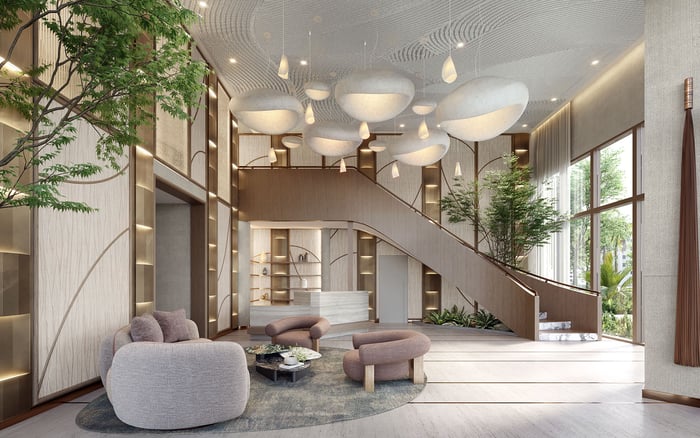
A discreet buyer’s guide to evaluating The Lincoln Coconut Grove through privacy, service choreography, access control, and the transition from street to residence.
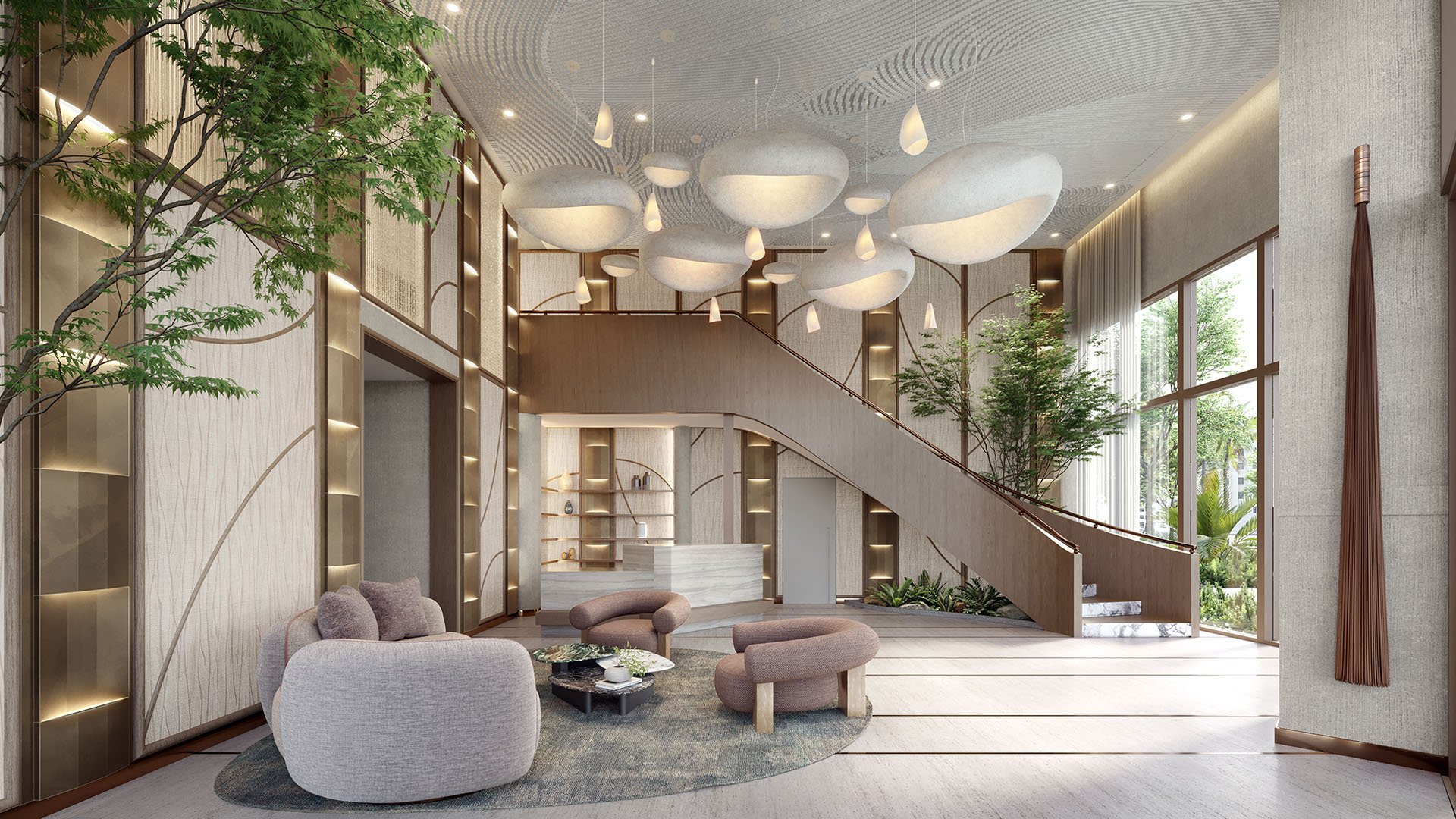
The Lincoln Coconut Grove sits in a category where the most important luxuries are not always the most photogenic. For buyers accustomed to South Florida’s upper tier, the essential question is not whether a residence feels polished during a scheduled tour. It is whether the building can protect privacy, deliver service, and move residents from street to home with minimal friction on an ordinary Tuesday evening.
That distinction matters in Coconut Grove, where residential calm is shaped as much by the surrounding street environment as by the interiors. A boutique building may promise discretion, but discretion is operational. It depends on how residents, guests, vendors, deliveries, staff, cars, and pedestrians are choreographed every day.
The evaluation should move beyond a conventional amenity checklist. The more revealing review is experiential: how exposed is the lobby, how intuitive is the garage entry, how visible is the drop-off, and how consistently can a resident move from public street to private residence without interruption?
Boutique scale can be one of Coconut Grove’s great advantages. Fewer residents can mean quieter common areas, a more familiar service culture, and less vertical traffic when access and staffing are well managed. That is the potential appeal of The Lincoln Coconut Grove: buyers are assessing a residential experience where privacy, service, and arrival are central to the value proposition.
Yet boutique is not automatically superior. Smaller buildings can underperform if staffing budgets, operating protocols, training, or owner association priorities do not align with luxury expectations. The most refined building is not simply the one with the longest list of services. It is the one where services operate predictably, discreetly, and with low friction.
This is where buyers should separate architectural intimacy from operational reliability. A quiet lobby is valuable only if guest access is controlled. A discreet entry is meaningful only if vendor routing is disciplined. A beautiful approach matters most when it works during peak hours, rain, weekend traffic, and nearby events.
Privacy begins before the elevator. Buyers should study lobby exposure from the street, the location of seating areas, the visibility of reception or service desks, and whether arrivals are visible to pedestrians, neighboring buildings, or parked cars. Sightlines are not cosmetic. They shape how protected a resident feels in daily use.
Elevator access deserves equal attention. Ask how residents, guests, service providers, and deliveries are separated or monitored. If the building has limited vertical circulation, ask how access is controlled and how guest movement is supervised. If the plan suggests a highly private lifestyle, test whether the building documents support that impression.
Unit-per-floor density is also part of the privacy equation. Buyers should understand how many households share each arrival point, what happens when multiple residents arrive simultaneously, and whether guest access creates unnecessary exposure. Privacy-sensitive buyers should also ask about photography policies, public access limitations, staff discretion, vendor access, and delivery routing.
Comparable Grove projects can help sharpen the lens. A buyer considering Four Seasons Residences Coconut Grove may be weighing a different service culture and brand expectation, while still asking the same core question: how private does the building feel when it is actually in motion?
Luxury service is often described in broad language. Buyers should translate that language into specific procedures. Who receives guests? How are packages handled? What is the process for maintenance coordination? How does the building respond after hours? If valet, concierge, or security services are discussed, buyers should verify whether those services are documented in condominium materials, management agreements, staffing plans, or association budgets.
The strongest question is not whether a building advertises service. It is whether the service model is funded, staffed, trained, and enforceable. A polished tour may show a gracious tone, but due diligence should reveal whether standards are embedded in the governing documents or simply expressed as marketing language.
Concierge responsiveness is another practical test. Buyers should ask how requests are prioritized, whether escalation procedures exist, and how staff communicate with residents. Package handling should be reviewed with equal rigor, especially for owners who travel often or receive frequent deliveries. Maintenance coordination matters because even the most beautifully specified residence depends on the competence of the building’s operating culture.
In Coconut Grove, buyers may compare this service intensity with projects such as Mr. C Tigertail Coconut Grove, where lifestyle expectations may be shaped by a different residential personality. The comparison is useful not because one model is universally better, but because each building asks the owner to accept a particular rhythm of service, traffic, and access.
The arrival sequence is where the building’s promise becomes tangible. Buyers should evaluate the curb cut, drop-off area, garage entry, pedestrian approach, valet flow if applicable, and the transition from public street to private lobby. The goal is calm. A luxury arrival should feel intuitive, protected, and composed.
Walk the approach slowly. Then drive it. Notice whether the turn-in feels natural, whether another vehicle could block the flow, whether the garage entry creates hesitation, and whether a waiting guest would be visible from the street. If valet service is part of the discussion, understand where vehicles queue, how keys are handled, and how the experience functions during busy periods.
The pedestrian sequence matters just as much. Some buyers focus heavily on garage access, but a spouse, guest, driver, or staff member may enter differently. The best arrival choreography anticipates all of these patterns without making the building feel exposed or overmanaged.
This is one reason Grove buyers often examine nearby alternatives such as The Well Coconut Grove or Park Grove Coconut Grove with the same discipline. Amenities may differ, but arrival quality can be compared through a simple test: how calmly and privately can a resident get home?
A scheduled tour usually shows a building at its best. Serious buyers should return at multiple times of day. Morning school and work traffic, afternoon deliveries, evening dining activity, weekend movement, and event-adjacent congestion can each reveal a different version of the same address.
Listen for noise. Watch how vehicles behave at the entry. Observe whether pedestrians linger near the approach. Notice how visible the lobby feels after dark. If there is a garage or valet component, test whether the sequence remains graceful when another resident arrives at the same time.
The surrounding Coconut Grove context is part of the residence. Convenience can be a major advantage, but convenience and privacy must be balanced carefully. A building can feel serene inside yet still require a buyer to accept certain patterns of street activity. That is not necessarily a flaw. It is a lifestyle factor to understand before contract.
The legal review should test whether promised privacy and service features are enforceable. Buyers should ask counsel to examine condominium materials, budgets, management agreements, staffing assumptions, access policies, and rules affecting guests, vendors, deliveries, and common area use.
This is especially important in boutique buildings, where a small shift in staffing, budget priorities, or association policy can materially affect the lived experience. If service standards are important to the purchase decision, they should be identifiable in the documents, not left to mood, reputation, or verbal assurance.
Buyers should also consider future governance. Who controls operating decisions? How are service levels funded? What happens if owners later prefer lower monthly costs over higher service intensity? In a privacy-led building, these are not secondary questions. They sit at the center of long-term value.
What should buyers evaluate first at The Lincoln Coconut Grove? Start with privacy, service choreography, and the arrival sequence rather than amenities alone.
Why is lobby exposure important? The lobby is often the first privacy filter, so visibility from the street or neighboring areas can affect daily discretion.
Should buyers ask about elevator access? Yes. Elevator protocols help determine how residents, guests, staff, vendors, and deliveries move through the building.
Is boutique scale always better for privacy? Boutique scale can support discretion, but only if access control, staffing, and circulation are well managed.
What service documents should be reviewed? Buyers should review condo materials, management agreements, staffing plans, budgets, and operating rules.
How should buyers test the arrival sequence? Drive and walk the approach, then observe the curb cut, drop-off, garage entry, pedestrian route, and lobby transition.
Why visit at different times of day? Traffic, noise, visibility, package activity, and arrival friction can change meaningfully throughout the day.
What should privacy-sensitive buyers ask about vendors? Ask how vendors are screened, routed, supervised, and separated from resident circulation where possible.
How does Coconut Grove affect the evaluation? The neighborhood setting can enhance convenience, but the street environment still shapes privacy and arrival quality.
What is the strongest buyer question? Ask whether services operate consistently with low friction, not merely whether luxury services are described.
When you're ready to tour or underwrite the options, connect with MILLION.
If branded residences are on your mind — as a home or as an allocation — we would be glad to share what we are seeing, privately.
Begin a quiet conversation