A refined buyer's framework for examining waterfront ownership, seawall condition, dredging exposure, reserve funding, permitting, and insurance before closing on a Fort Lauderdale oceanfront condominium.
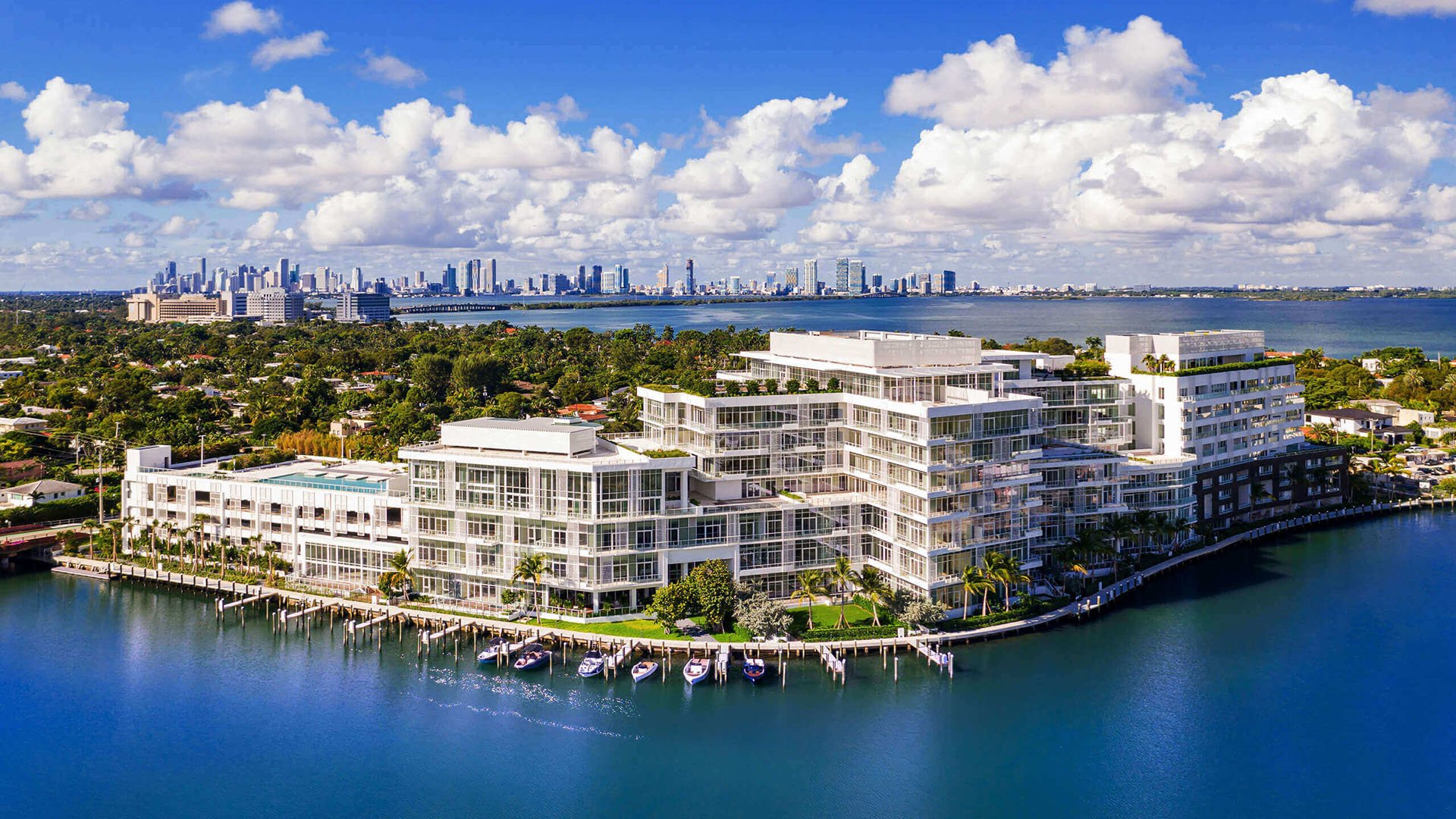
An oceanfront residence in Fort Lauderdale calls for a review that extends beyond the unit, lobby, and amenity deck. Buyers should also examine the documents associated with seawalls, drainage, shoreline conditions, docks, slips, and other water-adjacent features relevant to the property.
A resale package can provide a useful starting point, but the review may also require governing documents, recorded property records, insurance materials, engineering reports, permits, budgets, meeting minutes, and correspondence. Buyers comparing homes at Auberge Beach Residences & Spa Fort Lauderdale can apply the same documentary rigor to waterfront infrastructure that they bring to views, finishes, and privacy.
The most consequential waterfront obligation may sit outside the residence itself.
Begin by identifying every shoreline component that may affect the residence or condominium. The list can include seawalls, bulkheads, docks, boat slips, lifts, drainage features, shoreline strips, access points, and water-adjacent structures.
Read the declaration and relevant amendments alongside the deed, survey, plat, and any recorded easements or maintenance agreements. The objective is to determine how each asset is classified, who can use it, who can access it for inspection or repair, and who may be responsible for associated costs.
Physical access should not substitute for document review. A feature beside a private terrace or assigned slip may still be governed by association documents or another recorded arrangement. Buyers considering St. Regis® Residences Bahia Mar Fort Lauderdale can use a written ownership-and-responsibility map to organize this part of the inquiry.
A seawall review should combine physical inspection with documentary history. Request available permits, inspection materials, engineering reports, repair proposals, contracts, photographs, meeting minutes, and correspondence concerning leakage, erosion, drainage, movement, deterioration, or prior work.
The buyer's engineer can compare observed conditions with previous recommendations and completed repairs. Any remaining questions should be tied to a clear follow-up request, such as confirmation of permit status, the scope of prior work, pending proposals, or the basis for anticipated maintenance.
Visual impressions from a residence or amenity deck are not a substitute for a qualified inspection. The same disciplined approach is appropriate when examining established coastal properties such as Four Seasons Hotel & Private Residences Fort Lauderdale.
Water access alone does not establish who maintains a water body, canal edge, dock area, or shoreline feature. Recorded easements, plats, maintenance agreements, permit materials, and governing documents should be reviewed for any allocation of responsibility.
Dredging deserves a separate line of inquiry. Buyers should look for documents that address sediment removal, the affected area, approvals, cost allocation, access, neighboring participation, and continuing maintenance. General references to waterfront upkeep should not be treated as a substitute for precise language.
The due-diligence file should include available permits, applications, consultant materials, and correspondence related to prior or proposed shoreline work. Uncertainty about sediment, navigation, or future access can then be framed as a specific documentary, engineering, or legal question before closing.
The financial review should match each material waterfront component with an identifiable funding approach. Examine budgets, reserve information, assessment history, meeting minutes, bids, contracts, repair proposals, and financing discussions relevant to seawalls, docks, drainage, and shoreline work.
Meeting materials can help a buyer understand whether work is being discussed even when no final project has been adopted. Ask whether the association tracks waterfront components separately, what professional analysis supports its planning, and how proposed work would be funded.
At The Ritz-Carlton Residences® Fort Lauderdale, or at any high-value Fort Lauderdale coastal condominium, presentation alone cannot answer whether waterfront obligations are matched by a clear capital plan. The buyer's task is to compare the condition record, projected work, available funding, and unresolved exposure.
Insurance review should begin with the association's current policies and continue with the buyer's proposed unit-owner coverage. Request the declarations, endorsements, deductibles, exclusions, sublimits, appraisals, and available coverage summaries relevant to wind, storms, flood, water intrusion, seawalls, docks, and other shoreline components.
Do not assume that every waterfront feature or type of loss is covered. Seek written clarification from appropriate insurance professionals about which policy may respond, which property is included, what deductible may apply, and where an uninsured or underinsured expense could affect owners.
The buyer should also compare association coverage with the proposed unit-owner policy, loss-assessment protection, and lender requirements. Any apparent gap should be reviewed with qualified insurance and legal advisers before the inspection or diligence period ends.
Convert the collected information into a concise matrix. For each waterfront asset, record its documented classification, responsible party, observed condition, permit history, contemplated work, funding treatment, insurance treatment, and open questions.
Unresolved items can become targeted document requests, written questions, professional-review items, or negotiated closing conditions. This structure helps distinguish a missing document from an unallocated obligation, an unfunded project, or an insurance uncertainty.
A waterfront purchase should be evaluated not only for its setting but also for the clarity of its records, responsibilities, funding, and insurance. For discreet guidance on South Florida's exceptional residences, connect with MILLION.
If branded residences are on your mind — as a home or as an allocation — we would be glad to share what we are seeing, privately.
Begin a quiet conversationResponsibility should be confirmed in the governing documents, recorded property records, and any applicable maintenance agreements.
Review the declaration, amendments, deed, survey, plat, easements, and recorded maintenance agreements.
Request available permits, inspections, engineering reports, repair proposals, contracts, photographs, meeting minutes, and relevant correspondence.
No. Physical observations should be compared with the property's engineering, permit, repair, and maintenance records.
Look for recorded agreements, permits, plats, easements, and governing documents that define the work, area, approvals, and cost allocation.
Review budgets, reserve information, assessment history, meeting minutes, bids, contracts, repair proposals, and financing discussions.
Buyers should ask how anticipated work would be funded and what professional analysis supports the association's planning.
Request current policies, declarations, endorsements, deductibles, exclusions, sublimits, appraisals, and relevant coverage summaries.
Coverage should not be assumed. A qualified insurance professional can clarify covered property, applicable events, deductibles, and potential gaps.
Place each issue in a responsibility matrix and convert it into a written question, document request, professional-review item, or negotiated condition.