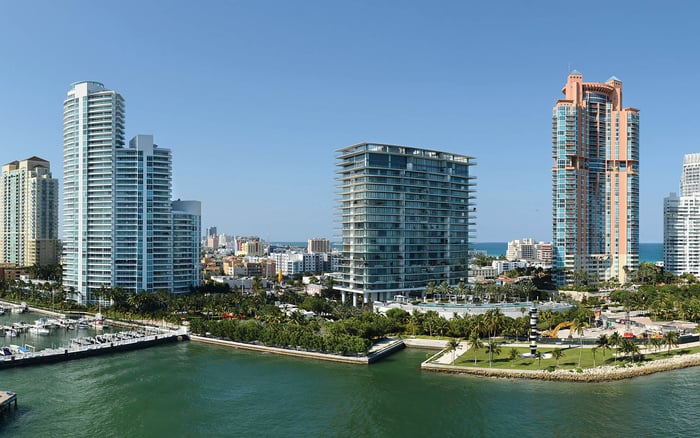
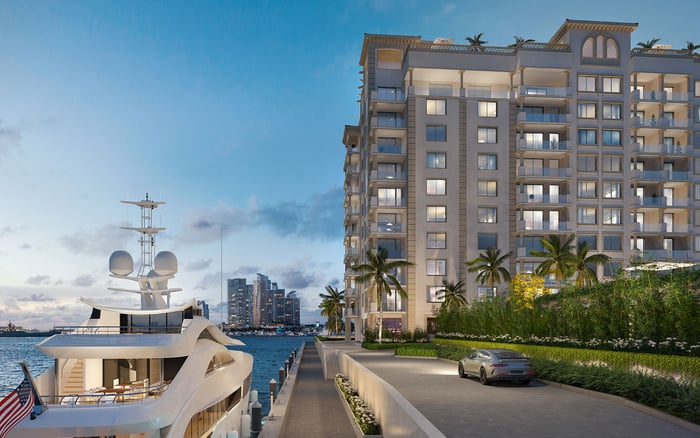
A waterfront residence should be evaluated as an operating system, not merely toured as an address. A disciplined due-diligence file examines airport access, event-week mobility, chauffeur staging, bridge dependencies, alternative transport and management protocols for extended absences.
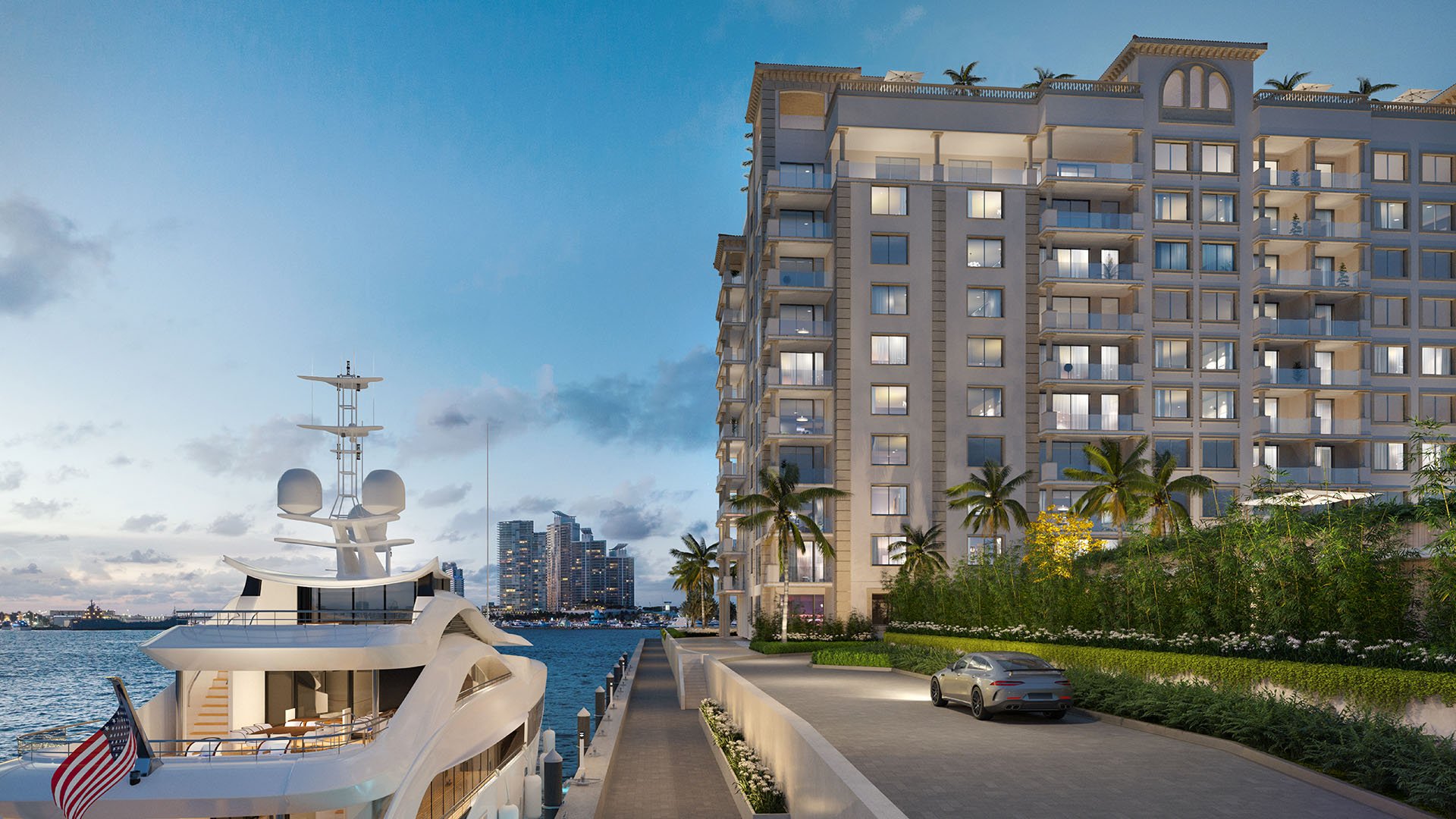
The most revealing waterfront due diligence begins after the view, floor plan and finish schedule have been considered. It examines how the residence functions when an owner has a flight to catch, a major event affects familiar routes, a chauffeur needs to wait nearby or the home will remain vacant for an extended period.
For a second-home acquisition, the file should convert lifestyle expectations into practical questions. Which routes match the household’s schedule? Who communicates access changes? Where may a driver wait? What does management require before an extended absence? The objective is to identify dependencies and establish workable procedures before closing.
Create a route matrix for the commercial airports and private aviation facilities the household expects to use. Organize test trips around realistic departure and arrival patterns, recording the day, pickup time, route, curb-arrival time and any access complication. Keep outbound and inbound journeys separate.
A single off-peak drive should not define airport convenience. Repeat the exercise at different times and under conditions that resemble the owner’s likely travel calendar. The resulting record provides a more useful basis for comparing South Florida residences than a generalized travel estimate.
The matrix should also identify secondary routes, decision points and the person responsible for monitoring conditions before departure. If a route depends on a bridge or a limited-access corridor, note that dependency explicitly.
A major event week can serve as a practical test of a household’s mobility plan. Buyers should evaluate how temporary restrictions, revised pickup arrangements or heavier demand could affect a familiar approach, without assuming that ordinary operations will remain unchanged.
Buyers considering Five Park Miami Beach or The Perigon Miami Beach should request a map-based explanation of primary and secondary exits. The review should identify fallback meeting points, route decision points and the procedure to follow if the customary entrance cannot be used.
The due-diligence file should establish who distributes access notices and which household members or service providers receive them. Management should clarify how residents, valet personnel, security teams and private drivers are expected to coordinate when operating conditions change.
A polished arrival court does not by itself establish whether a chauffeured vehicle may wait on-site. Ask management to explain the applicable procedure in writing, including the distinction between active loading and waiting, resident vehicles and outside chauffeurs, and ordinary operations and temporary restrictions.
The written response should identify a fallback meeting point and a reliable communication method. It should also clarify who may authorize an exception or redirect a driver if access changes.
A residence such as Setai Residences Miami Beach can be evaluated through a timed exercise in which the driver approaches, discharges, relocates and returns during the owner’s likely travel periods. The useful outcome is a repeatable protocol rather than an informal assurance.
Waterfront access has both road and water dimensions. The buyer should mark every bridge or controlled access point affecting the primary driving route, a secondary route and navigation from any dock or marina used by the household.
A road-only review may overlook the captain’s operating needs, while a boating-only review may miss a dependency that affects an airport departure. Each candidate residence therefore needs its own access diagram, supported by direct questions to management and relevant service providers.
Alternative transport should be treated as a contingency rather than a guarantee. Before relying on any shuttle, trolley, ferry, water taxi or private transfer, confirm its current availability, operating procedure, pickup location and suitability for the household’s schedule.
For a geographically distinct comparison, The Residences at Six Fisher Island may remain on the shortlist, but it requires a property-specific access review. Brand profile and waterfront setting do not replace an examination of actual household logistics.
Lock-and-leave capability should be documented directly with current building management. Request the current storm plan, extended-absence policy, emergency-entry authorization, terrace-clearing requirements, vendor restrictions and inspection procedures applicable to the residence.
The file should name the responsible party for each required action and explain how the owner will be contacted. It should clarify whether staff may enter, which authorization must be on record, how outside vendors are admitted and what follow-up process applies after an incident or severe weather event.
Review these materials before purchase and confirm them again whenever management procedures or the household’s service arrangements change. A sales presentation or another resident’s routine is not a substitute for the policies applicable to the specific property.
A disciplined due-diligence file contains timed airport logs, event-period route maps, written chauffeur procedures, bridge dependencies, verified contingency options and current lock-and-leave documents. It also identifies the communication chain for access updates and an escalation contact for situations in which the usual plan cannot be followed.
The operational advantage is not a promise that traffic, weather or temporary restrictions will disappear. It is the confidence that the owner, driver, captain and building team have defined roles when ordinary access changes.
Why test airport trips under different conditions? Repeated tests help reveal how well a route matches the household’s actual arrival and departure patterns.
Which aviation facilities belong in the file? Include every commercial airport and private aviation facility the household expects to use regularly.
Should inbound and outbound airport trips be logged separately? Yes. Separate records make it easier to compare routes, timing and decision points in each direction.
Can a chauffeur always wait at the building? Do not assume so. Obtain the property’s written rules for loading, waiting, relocation and temporary restrictions.
What should management confirm about access notices? Management should explain who issues updates, who receives them and how drivers, valet personnel and security teams coordinate.
Why review bridge dependencies for a waterfront home? A bridge or controlled access point may matter to road travel, vessel movement or both, so it belongs on the access diagram.
Can alternative transport be treated as guaranteed? No. Confirm current availability, pickup arrangements and operating procedures before relying on an alternative.
What belongs in an extended-absence package? Request the current absence policy, emergency-entry authorization, terrace requirements, vendor rules and inspection procedures.
What is the purpose of a fallback pickup point? It gives the resident and driver a predetermined place to meet if the usual entrance or approach cannot be used.
When should the operations file be refreshed? Review it whenever management procedures, household travel patterns or service arrangements change.
When you're ready to tour or underwrite the options, connect with MILLION.
If branded residences are on your mind — as a home or as an allocation — we would be glad to share what we are seeing, privately.
Begin a quiet conversation