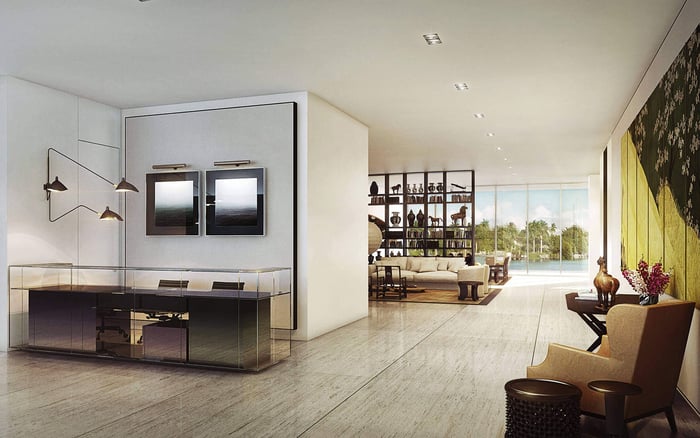
A refined condominium interior is only one layer of the acquisition. In Las Olas, serious due diligence connects visible conditions to engineering records, waterproofing details, window documentation, reserve funding, and responsibility for future repairs.
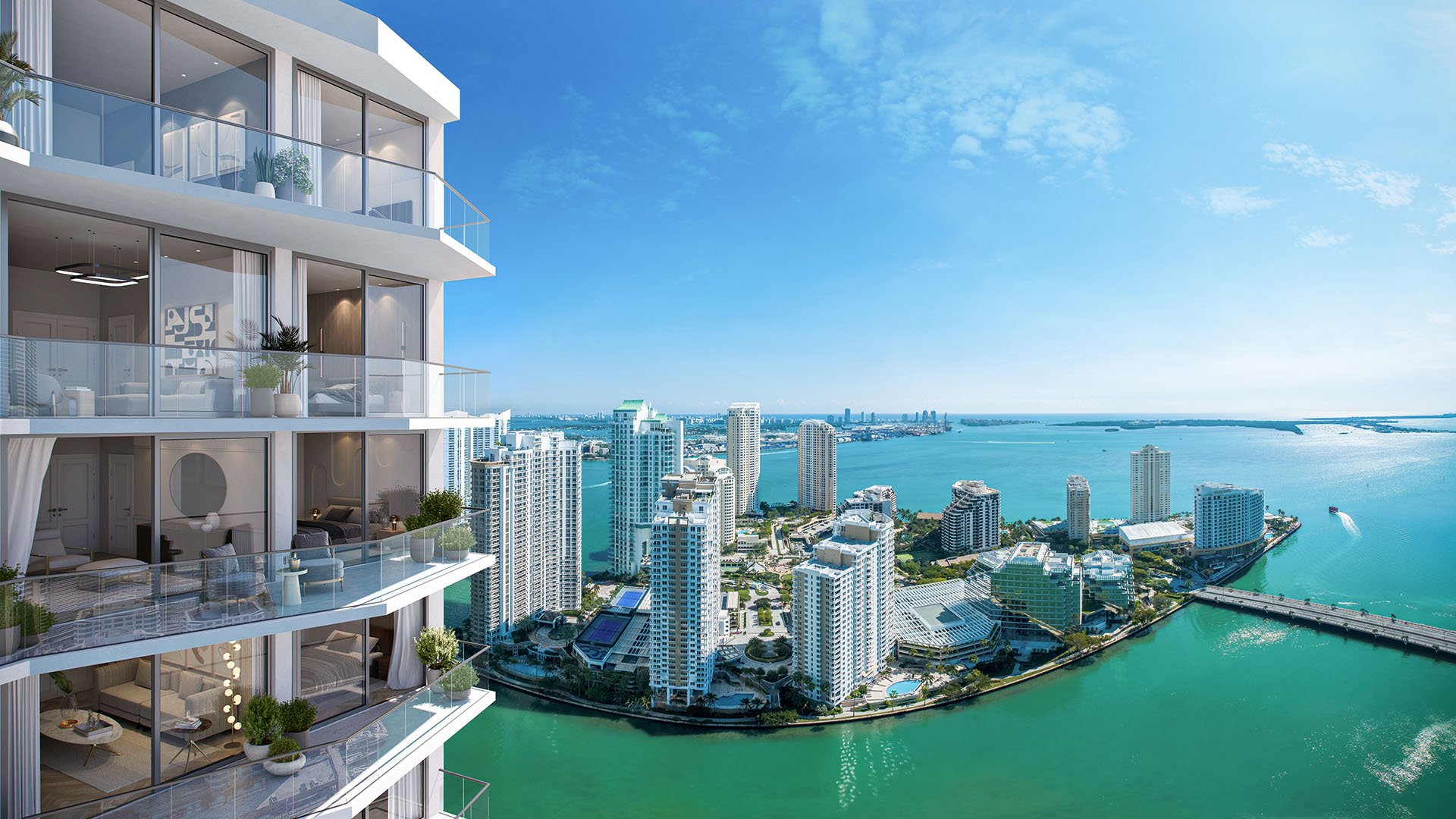
A boutique condominium in Las Olas can offer privacy, architectural character, and a more intimate ownership experience. Yet boutique scale does not simplify the building envelope. Salt-laden air, wind-driven rain, exposed balconies, glazing interfaces, and shared structural components still demand disciplined review. In a smaller association, the cost of a significant repair program may also be distributed among fewer owners, making documentation especially consequential.
The objective is not to treat every stain or hairline crack as a defect. It is to determine whether visible conditions align with the building's engineering history, maintenance program, warranties, reserves, and allocation of responsibility. Buyers considering Sixth & Rio Fort Lauderdale or other residences near the Las Olas corridor can apply the same framework: inspect the unit, then test its condition against the building-level record.
A dry residence does not establish that its façade or balcony stack is watertight.
The first folder should concern the residence itself. Request renovation permits, window and slider records, prior leak complaints, repair invoices, warranty correspondence, and photographs of earlier conditions. Inspect finishes around window heads and sills, sliding doors, balcony thresholds, ceilings, baseboards, and exterior walls. Staining, patched drywall, swollen trim, warped materials, and recurring paint damage demand explanation rather than cosmetic dismissal.
The second folder belongs to the association. It should include recent engineering or structural-condition evaluations addressing balconies, slabs, beams, concrete deterioration, and recommended work. Add board minutes, reserve studies, budgets, permits, project contracts, inspection records, and documentation of completed or planned restoration. The central exercise is reconciliation: compare engineering recommendations with funding, timing, board action, and any special assessment.
This is a core buyer-guidance principle throughout Broward. Unit-level and building-level evidence answer different questions. A pristine interior may coexist with unresolved conditions elsewhere along the same elevation, balcony stack, or wall assembly.
Marine salts can penetrate insufficiently protected concrete and contribute to reinforcing-steel corrosion, particularly where concrete cover, sealing, or waterproofing is inadequate. As steel corrodes and expands, concrete may crack or spall across balconies, slabs, and beams. Rust staining, recurring cracks, efflorescence, hollow-sounding concrete, peeling coatings, and leaks to the area below signal the need for closer professional assessment.
Rail anchors and penetrations warrant particular attention because they can create routes for salt and moisture into the slab. Review their detailing, sealant condition, repair history, and inclusion in prior engineering scopes. Exterior paint should not automatically be treated as a chloride barrier. The file should identify the specified façade coating or water-repellent system, together with the application date, scope, product data, and warranty.
Maintenance records provide essential context. Review the association's actual cleaning and maintenance protocol for railings, exterior hardware, shutter tracks, and other exposed components rather than relying on informal assurances.
Waterproofing is not simply the visible topcoat. Review the membrane across the walking surface, sealed penetrations, drainage, and overflow provisions where applicable. When access and conditions permit, observe the balcony after rain because dry-weather review may not reveal drainage problems.
Request the membrane manufacturer and product specification, installation scope, permit history, inspection records, maintenance requirements, warranty, and any available test documentation. Confirm whether tiles, pavers, planters, railings, or later penetrations altered the assembly. If deterioration exists, ask the appropriate professional to explain the repair sequence and whether the underlying concrete and reinforcing steel were addressed before waterproofing was installed. A fresh coating over unresolved damage is not equivalent to documented restoration.
Product identity, surface preparation, installation, and maintenance all belong in the acquisition file. The useful question is not whether a balcony looks recently coated, but whether the records establish what was installed, how it was approved, and how it has been maintained.
For a buyer, the useful water-intrusion record is specific: where testing occurred, which method was used, what failed, how the condition was repaired, and whether follow-up testing confirmed the result.
Obtain prior investigations covering windows, walls, balcony interfaces, and thresholds. Map each reported location against the residence under contract, the units above and below, and the same façade elevation. Ask whether repairs addressed the entry point or merely replaced interior finishes. Buyers comparing varied waterfront formats, including Four Seasons Hotel & Private Residences Fort Lauderdale, should preserve this distinction between observed dryness and demonstrated envelope performance.
The window schedule should identify every unit's manufacturer, series, installation date, impact rating, permit, installer, warranty coverage, and claim history. In a coastal setting, review frame, hardware, weather-stripping, and installation specifications rather than assuming that similar-looking windows have identical components or coverage.
Do not assume a warranty transfers with title. Match the document to the exact manufacturer, model, installer, installation date, claimant, and covered failure. Review exclusions, maintenance obligations, labor coverage, and any prior claims or denials. Then determine whether windows, sliders, perimeter sealants, railings, and membranes are owner or association responsibilities under the governing documents.
That allocation can differ among Fort Lauderdale properties. A purchaser weighing St. Regis® Residences Bahia Mar Fort Lauderdale alongside a smaller condominium should review each set of documents independently rather than carry assumptions from one building to another.
Reserve studies and budgets should be reviewed for recurring concrete restoration, balcony membranes, façade coatings, sealants, and related waterproofing. Cross-reference projected work with the age and documented condition of each system. Board minutes may reveal deferred scopes, bids, engineer engagement, insurance discussions, funding decisions, or contemplated assessments not evident in a single budget line.
The strongest file creates a clean chain from observation to diagnosis, permitted repair, inspection, warranty, maintenance, and funding. Before closing, have appropriate legal, engineering, inspection, and insurance professionals review the records within their respective disciplines. Even when considering established options such as The Ritz-Carlton Residences® Fort Lauderdale, precision remains the luxury: knowing which system is performing, who must maintain it, and how the next intervention will be paid.
For discreet guidance on South Florida's finest residences, connect with MILLION.
If branded residences are on your mind — as a home or as an allocation — we would be glad to share what we are seeing, privately.
Begin a quiet conversationMarine salts can contribute to reinforcing-steel corrosion when concrete protection, sealing, or waterproofing is inadequate.
Rust stains, recurring cracks, efflorescence, hollow-sounding concrete, leaks below, and peeling coatings merit professional assessment.
Request product specifications, installation scope, permits, inspection records, warranty terms, maintenance requirements, and available test documentation.
Ask whether professionals assessed underlying concrete and reinforcing steel before the waterproofing system was installed.
Review the walking surface, drains, penetrations, and overflow provisions where applicable. Observing the balcony after rain may reveal issues hidden in dry weather.
No. A dry unit does not establish that the façade, balcony stack, adjacent units, or other interfaces are free of water intrusion.
It should identify testing methods, locations, findings, repairs, and any follow-up verification of the result.
Include the manufacturer, series, installation date, impact rating, permit, installer, coverage, and history of claims or denials for each unit.
No. Coverage should be matched to the exact product, installer, installation date, claimant, exclusions, and transfer terms.
Reserve studies, budgets, and board minutes can clarify planned building-envelope work, funding decisions, and possible assessments.