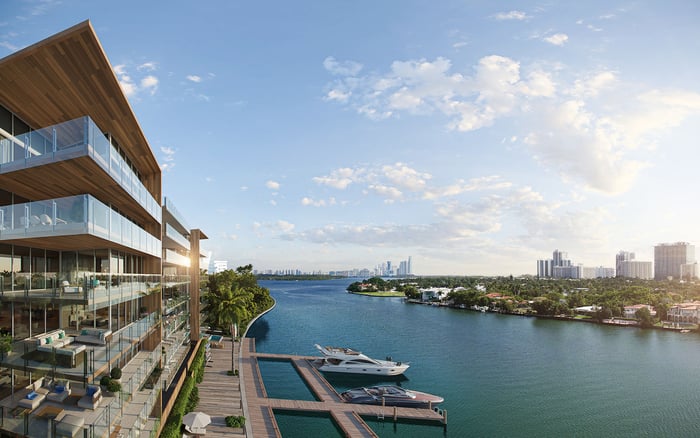
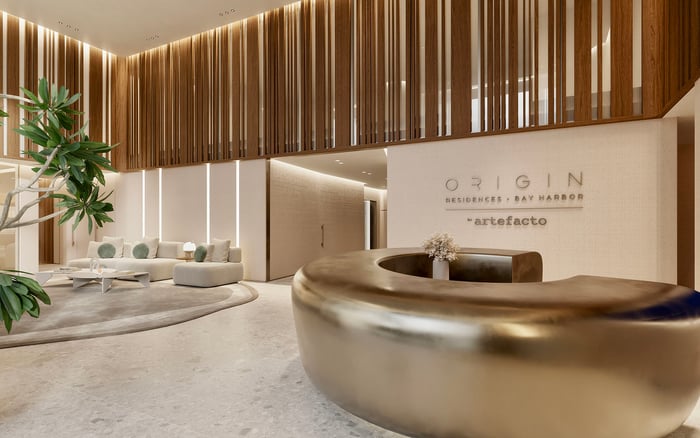
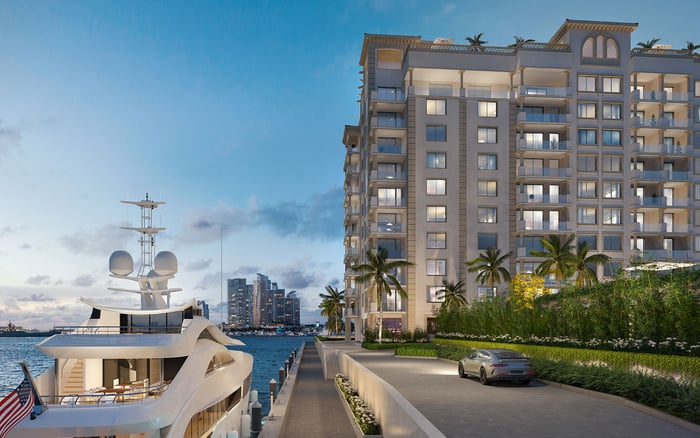
A practical family-livability review of La Maré Bay Harbor Islands, focused on school routines, storage, privacy, arrivals, waterfront safety and long-term daily use.
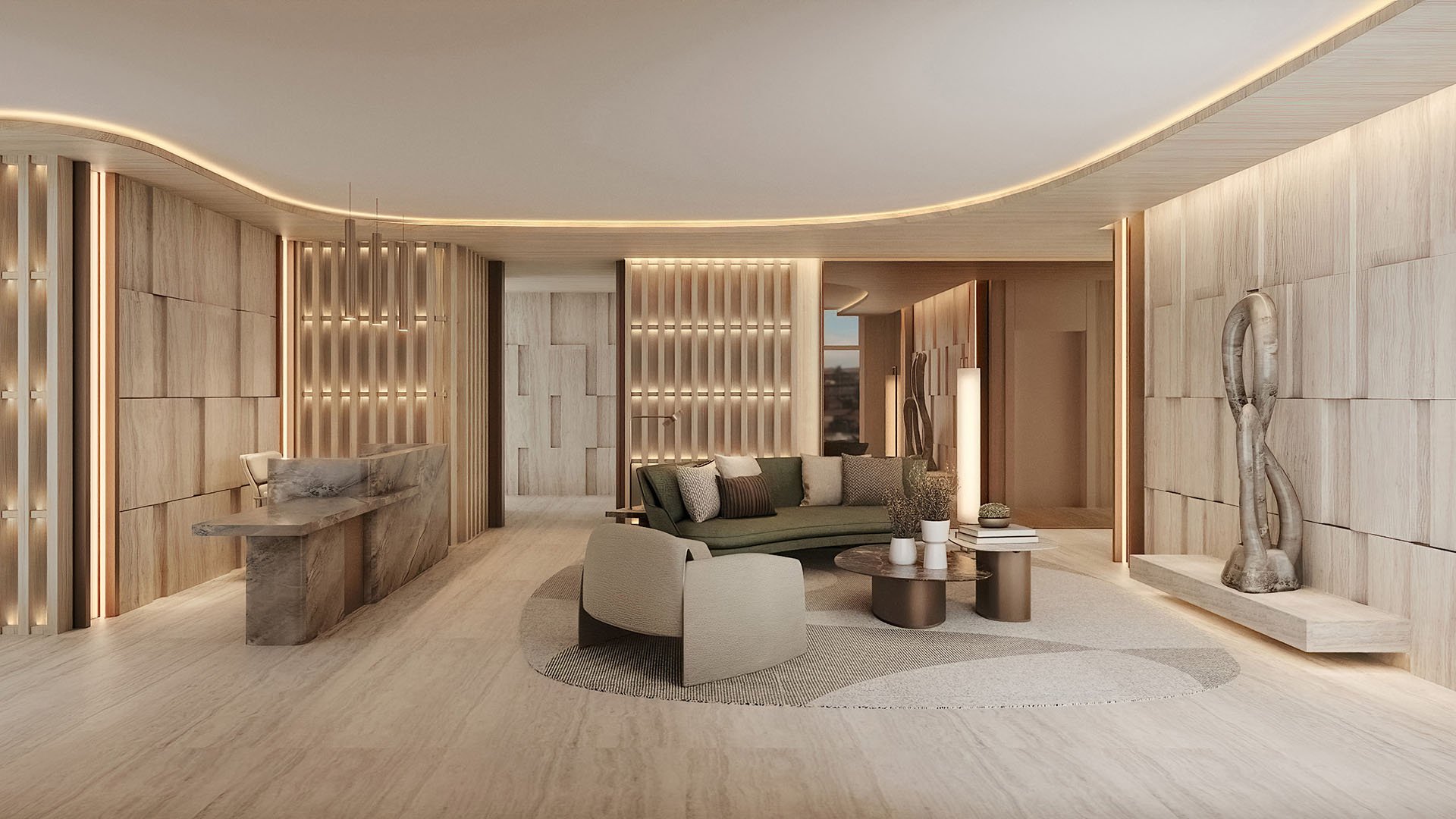
La Maré Bay Harbor Islands sits in a category South Florida buyers know well: luxury waterfront residential living shaped by quiet glamour, polished materials and the promise of a softer daily rhythm. For a family considering it as a primary residence, however, the decisive questions are rarely answered by the sales gallery alone.
A model kitchen can suggest entertaining. A terrace can frame a sunset. A waterfront identity can create emotional clarity within minutes. But full-time family life asks more exacting questions. Where does the stroller go when guests arrive? How easy is the morning departure with children, bags and a caregiver? Can teenagers maintain privacy without isolating the household? How does the building perform during school weeks, holiday visits, summer weather and the ordinary friction of daily life?
That is the useful lens for La Maré Bay Harbor Islands. The project is best understood not only as a design-led waterfront address, but as a residence that must prove itself through routines, storage, parking, privacy, association rules and long-term adaptability.
In the ultra-premium market, “family-friendly” is often treated as a soft lifestyle phrase. For serious buyers, it should be an operational standard. A family residence must support school schedules, child safety, household staff, quiet work, visiting relatives, pets, storage overflow and children who will eventually become teenagers with different needs.
This is where Bay Harbor Islands gives the conversation a more practical tone. Rather than evaluating La Maré only through architecture, amenities or finishes, buyers should study how the neighborhood setting interacts with day-to-day movement. School access, walkability, service entry, parking behavior and after-school routines all matter. So do the ease of hosting grandparents, managing deliveries and moving from weekday intensity to weekend leisure without feeling that the home has been optimized only for display.
Families comparing nearby options such as Alana Bay Harbor Islands and Onda Bay Harbor should resist judging only by renderings. The stronger comparison is how each residence would function at 7:30 on a school morning, during a rainy pickup window, or when a visiting relative arrives with luggage and a driver waiting downstairs.
Storage is one of the least glamorous and most revealing tests of family livability. In a waterfront residence, the inventory of family life expands quickly: beach equipment, scooters, bicycles, sports gear, seasonal décor, children’s supplies, extra linens, pet items and household staff materials. A beautiful residence without intelligent storage can become visually compromised within weeks.
At La Maré, buyers should evaluate storage with the same seriousness they bring to views and finishes. The question is not whether closets look elegant during a tour. It is whether the floor plan can absorb real family volume without turning secondary bedrooms, laundry areas or corridors into holding zones. Stroller storage near arrivals, space for wet items after waterfront use and practical separation between formal living areas and family equipment can make an enormous difference.
This is also where boutique living deserves careful interpretation. A more intimate residential environment can feel private and composed, but families should confirm whether back-of-house functions are equally considered. Storage rooms, package management, service access and rules around bulky items can influence whether the residence remains serene once a household is fully in motion.
For family buyers, parking is not a static amenity. It is choreography. Morning departures may involve parents leaving at different times, a nanny or driver arriving, children loading bags, a pet being walked, deliveries appearing and a visiting grandparent calling from downstairs. The arrival sequence matters as much as the garage count.
At La Maré, the practical buyer should ask how the building handles multiple vehicles, caregivers, guest parking, school drop-offs and frequent deliveries. Entering and leaving the residence should feel controlled, not improvised. A waterfront address can be deeply calming once inside the home, but if arrival logistics are strained, that calm is interrupted every day.
Families looking at other Bay Harbor choices such as Bay Harbor Towers and La Baia North Bay Harbor Islands may find that small operational differences become decisive. A slightly better guest protocol, easier loading area or more intuitive staff access can outweigh a more dramatic sales-gallery impression.
Waterfront living is part of La Maré’s appeal, but families should translate that appeal into practical safeguards. Outdoor usability, child supervision, storm exposure, maintenance responsibilities and insurance considerations belong in the first round of questions, not after contract review.
Waterfront terraces and views can be extraordinary for family life when they are usable, secure and properly maintained. They can shape weekend breakfasts, quiet evenings and the feeling of being connected to Miami’s subtropical light. But with children, pets and frequent guests, buyers should examine railings, access points, surface materials, shade, wind exposure and how exterior areas behave during heavy rain or intense heat.
Resilience is equally important. Families planning to live year-round should understand how the building is expected to function during South Florida weather events, how maintenance responsibilities are allocated and how insurance realities may affect long-term ownership costs. The right question is not whether waterfront living is beautiful. It is whether the beauty remains practical through the full calendar.
Privacy is another measure that changes when a residence becomes a family home. Couples may want a private primary suite. Children may need bedroom separation that supports sleep and study. Teenagers may eventually need independence without compromising household supervision. Staff may require access that is discreet and efficient.
At La Maré Bay Harbor Islands, buyers should study whether the plan supports layered privacy. Can formal entertaining occur without exposing family zones? Is there a natural place for homework or tutoring? Can a caregiver help with children without moving constantly through the most formal spaces? Does the residence allow a family to host guests while preserving the private rhythm of bedrooms and service areas?
Privacy is not only architectural. Association policies can shape it as well. Rules around guests, pets, staff access, renovations, leasing, amenity behavior and noise all affect daily comfort. For a primary residence, these documents should be read as carefully as the floor plan. A family’s sense of ease often depends on the relationship between private space and building culture.
Luxury buyers sometimes treat association documents as legal formalities. Families should treat them as lifestyle documents. They influence everything from pet routines to children’s guests, renovation flexibility, staff registration, amenity use, noise expectations and holiday hosting.
A residence can be visually perfect and still feel constrained if the rules do not match the household. Conversely, clear and well-managed policies can protect privacy, preserve quiet and create a more predictable environment for children. For families relocating from single-family homes, this shift is especially important. Condominium life requires shared standards, and those standards should be compatible with the way the household actually lives.
Private-school planning may also influence how a family evaluates building operations. Morning timing, caregiver authorization, parking ease and predictable exits become part of the education routine. The residence is not separate from the school day. It is the launch point for it.
The most sophisticated way to evaluate La Maré is to imagine the family three, five and ten years after move-in. Young children become older children. Strollers give way to sports bags. Playdates become study groups. Visiting grandparents may stay longer. Household staffing may change. Work-from-home needs may expand or contract.
A strong primary residence should not be designed for only one life stage. It should absorb change with grace. That means flexible rooms, durable materials, realistic storage and a building environment that supports both privacy and community. Lifestyle value is not only found in what photographs well. It is found in what continues to work when the novelty of new ownership has passed.
For buyers drawn to La Maré Bay Harbor Islands, the central question is simple: does the residence make family life easier, calmer and more beautiful at the same time? If the answer survives the details, then the sales-gallery promise begins to become a home.
Is La Maré Bay Harbor Islands best evaluated as a primary family home? Yes. Family buyers should assess it through daily routines, not only design appeal or investment potential.
What should families ask first during a La Maré tour? Start with arrivals, storage, parking, child safety, privacy and how the residence performs on school mornings.
Why does storage matter so much in a luxury waterfront condo? Families accumulate strollers, sports gear, beach equipment, bikes and seasonal items that need discreet space.
Should waterfront living change the due diligence process? Yes. Buyers should examine outdoor safety, storm exposure, maintenance expectations and insurance considerations.
How important are association rules for family buyers? Very important. Rules can shape pets, guests, staff access, renovations, leasing and amenity use.
Can a boutique building work well for families? It can, if privacy, storage, service access, parking and household routines are supported in practice.
What makes Bay Harbor Islands relevant to the family discussion? The setting invites a neighborhood-practicality lens, including movement, access and daily residential rhythm.
Should buyers compare La Maré with other Bay Harbor projects? Yes. Comparisons should focus on operational details rather than only finishes, views or presentation style.
What is the biggest mistake families make in a sales gallery? They sometimes respond to atmosphere before testing how the home will function across a full year.
What is the ultimate family test for La Maré? The residence should support routines, privacy, safety, schooling and changing children’s needs over time.
For a tailored shortlist and next-step guidance, connect with MILLION.
If branded residences are on your mind — as a home or as an allocation — we would be glad to share what we are seeing, privately.
Begin a quiet conversation