A buyer-focused framework for comparing Edgeworth West Palm Beach and Nora House West Palm Beach through amenity usability, privacy, service, residence design and the ongoing obligations of luxury ownership.
Wellness-led amenity design can influence far more than a buyer’s first impression. In a luxury condominium, shared spaces become meaningful when they support repeatable routines, preserve privacy and remain convenient to use. Buyers comparing Edgeworth West Palm Beach and Nora House West Palm Beach should therefore look beyond presentation and examine how each proposed experience would fit everyday life.
The central question is not which property presents the longest list of amenities. It is whether the residence, shared spaces and operating model work together. A well-designed environment can make movement, recovery, relaxation and social connection easier, but only when access and service are consistent with the owner’s expectations.
A wellness area may appear compelling in plans or marketing materials, yet its practical value depends on how an owner can use it. Location within the property, operating hours, reservation requirements, guest access and transitions between private and common areas can all shape the experience.
Prospective owners should imagine a typical week rather than an occasional visit. That exercise helps distinguish spaces that support genuine habits from features likely to receive limited use. It also reveals whether the amenity plan complements the residence or asks owners to adapt their routines around building operations.
Privacy deserves equal attention. Buyers can ask how residents reach shared facilities, whether different uses overlap and how guests or service providers circulate. These questions do not presume a particular arrangement at either property; they identify details that should be confirmed through current project materials and professional review.
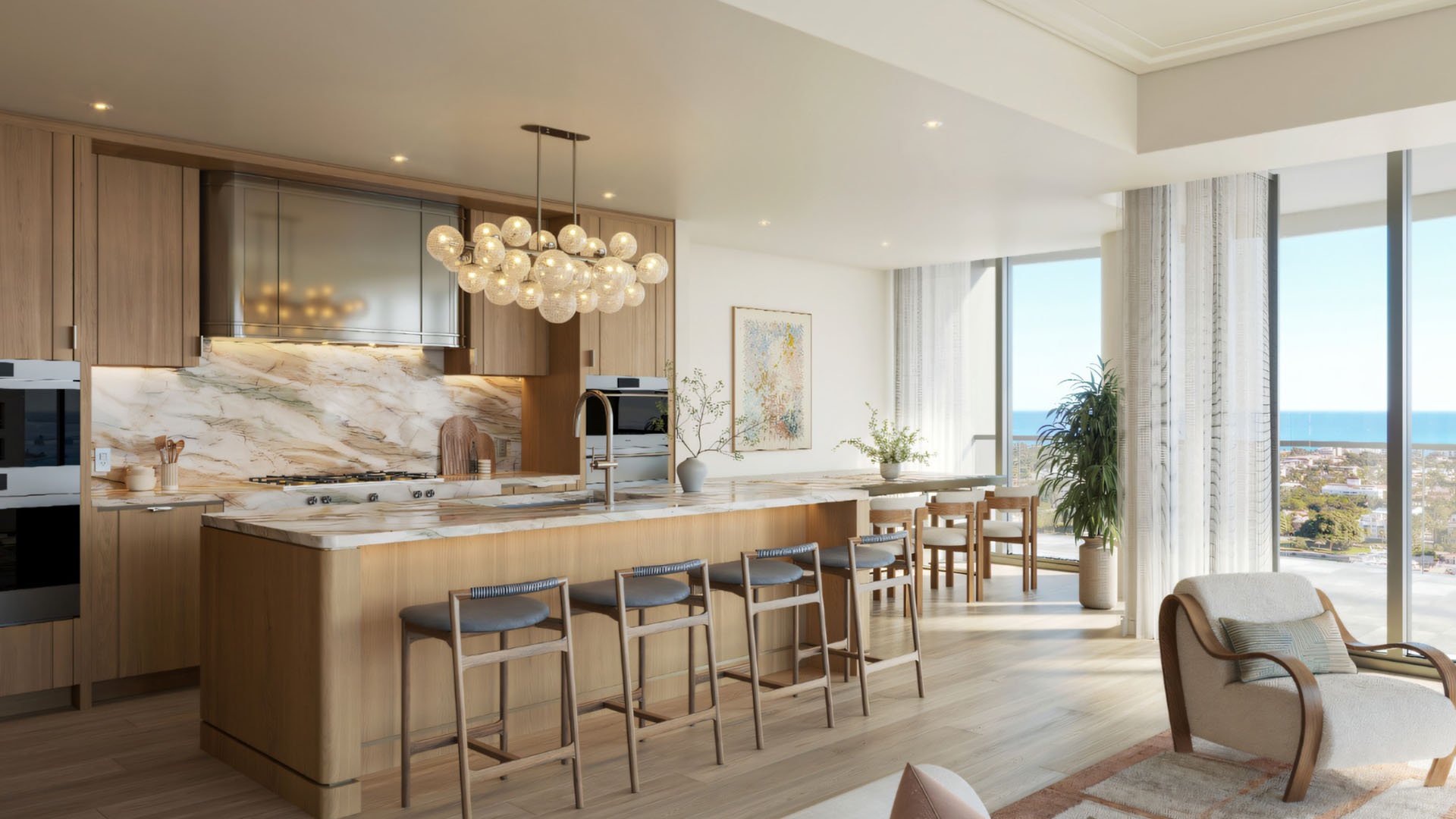
Amenity design should not distract from the home itself. Floor-plan efficiency, storage, separation between private and entertaining areas, access to outdoor space and the relationship between primary rooms can have a greater effect on long-term satisfaction than a rarely used shared feature.
This is especially important for buyers considering full-time ownership. A residence must accommodate ordinary routines as well as entertaining. Buyers should test furniture placement, circulation and functional needs against the actual plan instead of relying solely on renderings or generalized descriptions.
The same approach can inform a broader West Palm Beach search. Project pages for Forté on Flagler West Palm Beach and The Ritz-Carlton Residences® West Palm Beach can help buyers organize potential options, but comparisons should rely on current, verified documentation for each property.
Service-rich ownership requires careful financial and operational review. Buyers should examine the proposed budget, recurring charges, reserve assumptions and any separate costs associated with optional services. They should also determine which facilities are dedicated to residents, which may be shared and whether access conditions can vary.
Staffing is another important consideration. The existence of a wellness room does not explain how it will operate, whether appointments are required or what level of assistance is included. Written materials should clarify those points. If an answer is material to a purchase decision, it should be verified rather than inferred from broad lifestyle language.
Rules can matter as much as design. Guest privileges, age restrictions for particular spaces, booking procedures and policies governing personal trainers or outside providers may affect daily use. Buyers should review the applicable documents with qualified legal and financial advisers before committing.
A disciplined comparison begins with the same checklist for both properties. Buyers can review residence layouts, amenity access, privacy, staffing, ownership costs and the rules that govern shared areas. Applying identical questions reduces the risk of comparing a confirmed feature at one property with an assumption about the other.
Timing also matters. Project information can evolve, so buyers should request current materials and identify which details are final, proposed or subject to change. Sales presentations can provide context, but governing and transaction documents require independent review.
Personal priorities should drive the final weighting. One buyer may value private circulation and quiet recovery spaces, while another may prioritize social programming or convenient fitness access. The strongest choice is the one whose verified operating model and residential design align with the buyer’s actual routine.
Before selecting a residence, buyers should request the available offering materials, floor plans, budgets, fee schedules and amenity rules. They can then prepare written questions about access, staffing, reservations, guests, maintenance and any shared facilities.
A useful review separates design intent from enforceable or documented terms. It also distinguishes included services from optional offerings that may carry additional charges. Independent legal, financial and property advice can help buyers understand the obligations attached to ownership.
Wellness-led design is most persuasive when it functions as part of a coherent residential experience. For Edgeworth West Palm Beach and Nora House West Palm Beach, the appropriate conclusion should follow verified details, careful document review and a realistic assessment of how the buyer plans to live.
What does wellness-led amenity design mean for a buyer? It is a framework for considering how shared spaces may support movement, restoration, relaxation and connection. Buyers should verify the actual facilities and operating details for each property.
How should Edgeworth and Nora House be compared? Apply the same criteria to both, including residence design, amenity access, privacy, staffing, rules and ownership costs. Base the comparison on current documents rather than assumptions.
Why is amenity usability important? A feature has limited practical value if hours, reservations or circulation make it difficult to use. Buyers should consider how each space would fit a normal week.
What should buyers verify about wellness facilities? Confirm the planned uses, access conditions, operating hours, reservation procedures, staffing and any separate charges. Material details should be documented.
How does privacy affect the amenity experience? Circulation, guest access and overlap among shared uses can influence privacy. Buyers should ask how residents move between their homes and common areas.
Should amenities outweigh the residence layout? No. The home’s plan, storage, circulation and suitability for daily life remain central to long-term ownership.
Which financial documents deserve attention? Buyers should review available budgets, recurring charges, fee schedules and reserve assumptions with qualified advisers. They should also identify services that may cost extra.
Why do amenity rules matter? Rules may govern guests, reservations, outside providers and access to particular spaces. Those provisions can materially affect how an owner uses the property.
Can project information change? Proposed details may evolve, so buyers should request current materials and determine what is final or subject to change. Independent review remains essential.
What is the best final step before purchasing? Compare verified documents with personal priorities, then obtain appropriate legal, financial and property advice before making a commitment.
If you'd like a private walkthrough and a curated shortlist, connect with MILLION.
If branded residences are on your mind — as a home or as an allocation — we would be glad to share what we are seeing, privately.
Begin a quiet conversation