For an Aventura buyer, the residence is only one part of the acquisition. Staffing plans, building access, absence oversight, and written storm responsibilities can materially alter the practical and financial character of ownership.
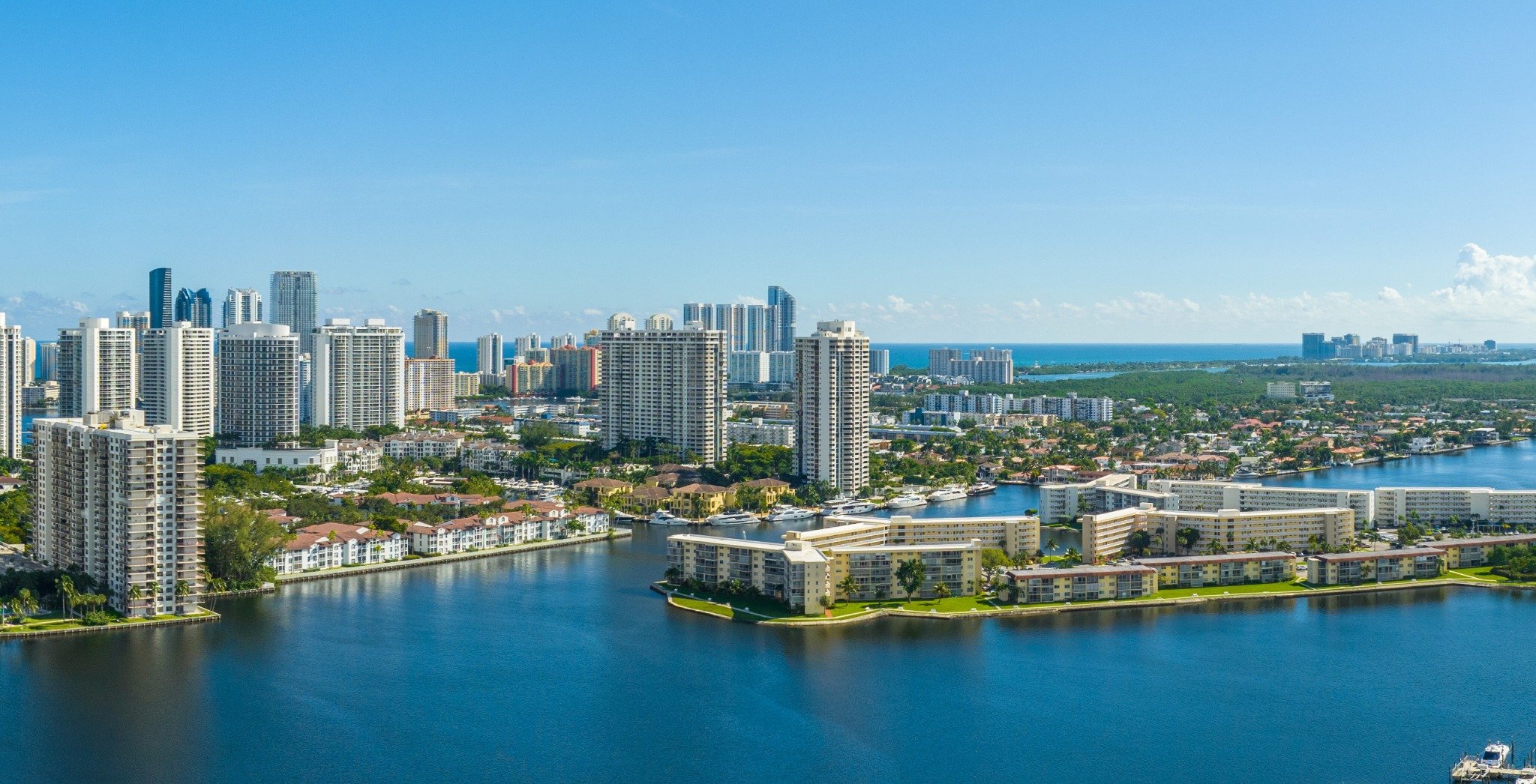
An Aventura purchase should be evaluated as both a residence and an operating system. For a buyer who expects to be away for extended periods, practical ownership may depend on who can enter, who can make decisions, how the home will be monitored, and which storm-related tasks belong to the owner rather than the association or management team.
A property such as Avenia Aventura may help frame an Aventura search, but buyers should evaluate the current governing documents, access procedures, service arrangements, and fee schedules for the specific residence under consideration.
Before engaging household personnel, define the work the ownership plan actually requires. Possible responsibilities may include preparing the residence for arrival, checking conditions during an absence, coordinating approved vendors, receiving deliveries, or reporting issues to an authorized contact.
The written brief should identify duties, scheduling expectations, reporting lines, confidentiality requirements, access needs, and spending authority. It should also separate routine work from emergency decisions so that no one must guess what they may do when the owner is unavailable.
Buyers should verify availability, scope, terms, and costs directly with any staffing provider. A plan that depends on particular dates or response times should not be treated as settled until the relevant arrangements are documented.
Do not assume that association management will enter a private residence, secure owner-controlled items, admit a vendor, or provide a post-event report. Request the current procedures that apply to owner absences and storm preparation, then identify every task that remains the owner's responsibility.
Questions should address common areas, private residences, balconies or terraces where applicable, owner-installed elements, vendor access, elevator or loading restrictions, communications, and post-event entry. Any private staffing plan should be tested against those written building rules.
The same document-based review applies when comparing other South Florida residences, including Bentley Residences Sunny Isles and One Park Tower by Turnberry North Miami. Buyers should not infer one property's procedures from another property's location, branding, or positioning.
A staffing plan works only when the building's rules support it. Confirm how household staff and vendors are registered, how credentials or keys are handled, whether permissions remain active during an owner's absence, and whether emergency restrictions can override ordinary access.
Identify the correct contacts for routine requests, after-hours issues, and urgent decisions. The operations file should state who may authorize access, approve spending, engage a vendor, and receive reports if the owner cannot be reached.
Written authority should be narrow enough to protect the owner but practical enough to avoid delays. Buyers may wish to review authorization documents and contractual arrangements with their own legal and insurance advisers.
Treat household oversight as a tailored ownership expense rather than relying on a generic allowance. The budget may need separate lines for scheduled visits, minimum service periods, after-hours requests, urgent callouts, management time, and specialist vendors.
The appropriate structure depends on the residence, the owner's travel pattern, the building's rules, and the desired response level. Obtain current written terms directly from the relevant providers before using any amount in a purchase budget.
A contingency reserve can also help distinguish predictable oversight from unusual work. The goal is not to estimate every possible event, but to understand which responsibilities could create additional costs and who may approve them.
Before closing, assemble the current access rules, absence procedures, storm responsibilities, applicable fee schedules, and emergency contacts provided for the residence. Pair those materials with a private-staff scope, a chain of authority, and a communication plan.
Review the file for gaps. If the owner expects someone else to perform a task, confirm that the person is authorized, available, and permitted to act under the building's procedures. This exercise can reveal whether the intended ownership model calls for occasional assistance, scheduled oversight, or a more comprehensive arrangement.
Why should an Aventura buyer plan for seasonal staffing before closing? Early planning helps the buyer determine which tasks require outside support and whether the intended ownership routine is workable.
What belongs in a household staffing brief? Include duties, schedule, reporting lines, confidentiality expectations, access requirements, spending limits, and emergency authority.
Should storm lock-up duties be confirmed in writing? Yes. Buyers should use current association and management documents to identify which tasks belong to the building and which remain with the owner.
Can private staff enter while the owner is away? That depends on the residence's current registration, credential, key, and emergency-access procedures. Confirm those rules before relying on private staff.
What should an absence-management plan cover? It should address inspection timing, authorized contacts, vendor access, reporting, spending authority, and escalation procedures.
Why are emergency contacts not enough on their own? A contact may know about a problem without having authority to enter, spend funds, or engage a vendor. The plan should define both communication and decision-making powers.
How should buyers evaluate staffing costs? Request current written terms for the required scope and separate routine service from after-hours work, urgent callouts, and specialist vendors.
Should access rules be compared across South Florida buildings? Yes. Buyers should review each property's own documents rather than assume that comparable residences follow the same procedures.
What documents belong in a pre-closing operations file? Include current access rules, absence procedures, storm responsibilities, applicable fees, emergency contacts, staff instructions, and authorization records.
What is the central pre-closing question? Identify who is responsible for every essential task while the residence is vacant and verify that answer in the applicable documents.
For a discreet conversation and a curated building-by-building shortlist, connect with MILLION.
If branded residences are on your mind — as a home or as an allocation — we would be glad to share what we are seeing, privately.
Begin a quiet conversation