An analytical look at how back-of-house planning, staff circulation, loading areas, service access, storage, and dispatch thinking shape the ultra-luxury experience at Colette Residences Brickell.
The most persuasive luxury buildings in Brickell are not judged only by arrival lobbies, skyline views, private dining rooms, or wellness suites. They are judged by how little friction residents feel from the operational machine behind those moments. At Colette Residences Brickell, back-of-house design is not a technical aside. It is central to how an ultra-luxury tower can feel calm, composed, and consistently serviced in one of Miami’s densest residential districts.
Because granular operating plans are not part of the public sales narrative, buyers should avoid assuming exact service-elevator counts, loading-dock dimensions, staff-room configurations, or vendor-entry locations. The more useful question is strategic: in a tower of this caliber, how should the invisible infrastructure work so daily life remains elegant? The answer depends on staff routes, service elevators, receiving zones, storage, maintenance access, refuse handling, package rooms, dispatch systems, and security protocols functioning as a disciplined internal city.
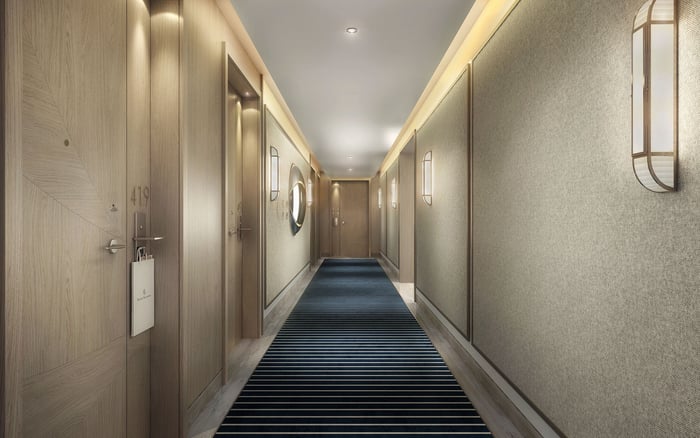
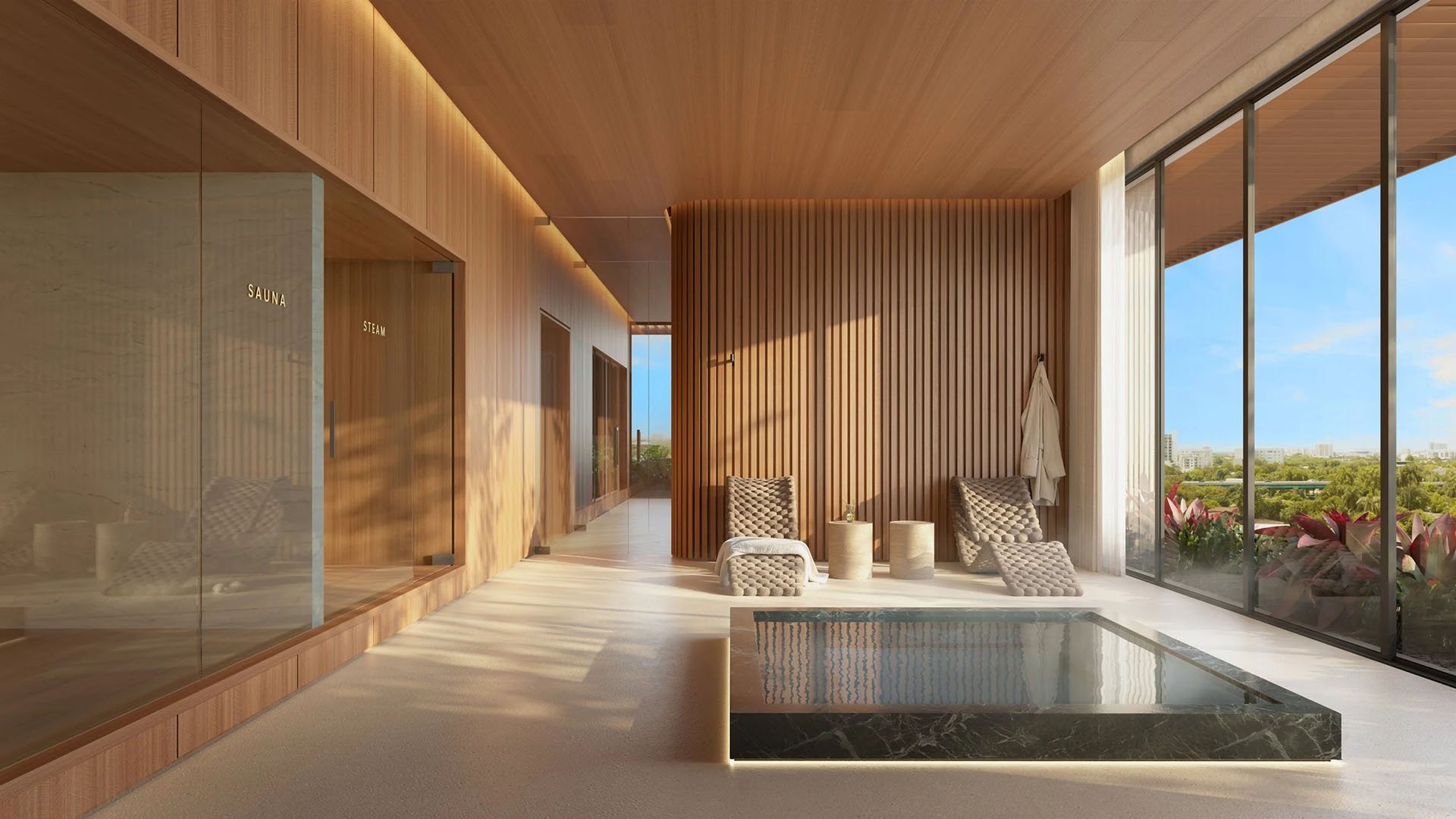
Every luxury condominium contains two buildings within one envelope. The first is the resident-facing world: lobby, amenity levels, elevators, corridors, residences, terraces, and social spaces. The second is the service-facing world: corridors, shafts, docks, equipment rooms, storage rooms, engineering areas, staff staging points, and control systems. The stronger the separation, the more serene the ownership experience.
In Brickell, that separation is especially consequential. Limited frontage, constrained podiums, frequent rideshare activity, valet demand, couriers, vendors, and waste-hauling schedules can collide when operational choreography is weak. A well-planned tower should aim to keep deliveries, housekeeping movement, engineering work, and refuse handling away from primary arrival spaces. The result is not theatrical luxury, but lived luxury: fewer awkward crossings in the lobby, quieter transitions on residential floors, and a cleaner sense of privacy.
This is why buyers comparing Brickell projects increasingly look beyond amenity renderings. In the same market conversation as Baccarat Residences Brickell and St. Regis® Residences Brickell, operational discipline becomes part of the premium. The resident may never see the service corridor, but the service corridor affects the lobby.
Staff logistics are often mistaken for building management details. In practice, they are a form of amenity. The concierge desk can be beautifully staffed, but if packages cannot be received, sorted, stored, and dispatched efficiently, the resident experience suffers. Valet can be attentive, but if vehicle queuing is not carefully handled, arrivals feel tense. Maintenance can be highly trained, but if staff routes are inefficient, response times lengthen.
At Colette Residences Brickell, the relevant design priority is seamless movement. In a tower of this caliber, service-facing circulation should support discreet housekeeping, maintenance visits, food and floral deliveries, furniture moves, and amenity operations without forcing every task through the most visible resident areas. That does not require public disclosure of every operational detail to matter. It requires recognizing that logistics are part of the architecture of service.
This is also where new-construction and pre-construction buyers should sharpen their questions. How are peak delivery periods handled? Where do vendors wait before entering secure areas? How are packages staged before reaching residences? How is staff movement coordinated during events, amenity use, or morning valet demand? The answers can influence whether a building feels tranquil at 7 p.m. on a Friday or strained at the exact moment residents expect ease.
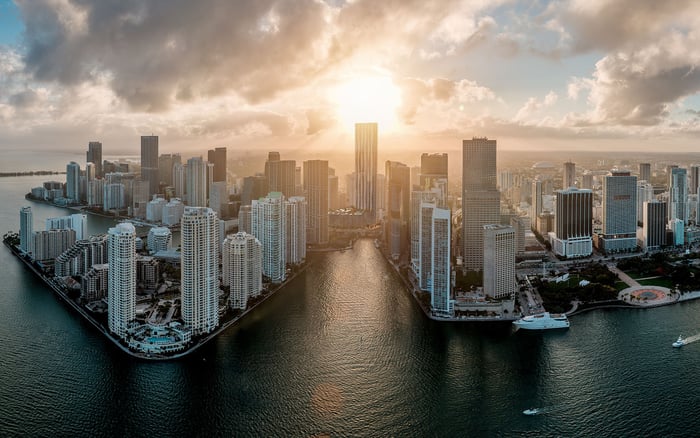
Brickell rewards vertical luxury, but it also tests it. A suburban estate can separate staff, guests, deliveries, and parking across generous land. A Brickell tower must compress those functions into a precise urban diagram. The curb is contested. The podium has limits. The timing of deliveries, move-ins, service calls, waste removal, and ride-hail pickups becomes part of the building’s daily rhythm.
That is why loading-dock design, internal vehicle queuing, service access, and package handling should not be treated as minor mechanical concerns. They shape arrival times, lobby atmosphere, elevator pressure, and even resident perceptions of security. When service functions are thoughtfully buffered, the building feels quieter and more private. When they are not, luxury finishes can be undermined by congestion and visible operational strain.
Comparable Brickell developments such as 2200 Brickell and The Residences at 1428 Brickell sit within the same broader buyer expectation: high design must be matched by high operational fluency. Brickell owners are not simply purchasing square footage. They are buying a daily choreography of access, privacy, responsiveness, and discretion.
A sophisticated buyer does not need to inspect every engineering drawing to understand the right issues. The first question is circulation. Are resident and service movements designed to remain distinct where possible? The second is capacity. Can the building absorb courier volume, staffed amenity programming, housekeeping coordination, maintenance calls, and valet surges without making residents feel the strain?
The third is storage. Luxury living generates volume: packages, luggage, seasonal items, event supplies, maintenance equipment, wellness provisions, and building operations material. If storage is insufficient or poorly located, the building becomes reactive. If it is well planned, staff can perform with speed and polish.
The fourth is dispatch. Ultra-luxury service depends on communication as much as corridors. Concierge, valet, security, maintenance, housekeeping, and amenity teams need systems that allow them to sequence tasks, anticipate resident needs, and reduce handoff errors. Back-of-house design is physical, but it is also procedural.
For investment-minded owners, this invisible layer can influence long-term value. Buildings that operate smoothly tend to protect the premium feeling residents paid for. They can also support more consistent service quality and reduce the daily frictions that erode satisfaction. In luxury real estate, operational consistency is not glamorous, but it is memorable.
The best back-of-house design is almost never noticed. A resident arrives, the car is handled without visible congestion, packages appear when requested, maintenance is prompt, corridors remain quiet, and amenity spaces feel composed even when staff are actively supporting them. That quietness is not accidental. It is the outcome of planning.
For Colette Residences Brickell, the most grounded way to think about staff logistics is through expectations rather than unsupported specifics. A project positioned for the upper end of the Brickell market should be evaluated through the same lens as luxury hospitality: can the building preserve privacy while delivering service at scale? Can it separate what residents should experience from what staff must accomplish? Can it keep the tower’s visible life serene while the invisible city performs continuously behind it?
The answers may determine how the property feels long after the first impression has faded. In Brickell, where density is both the appeal and the challenge, the buildings that command lasting attention are often those whose most important systems remain out of sight.
What is back-of-house design in a luxury condo? It refers to the service areas, circulation routes, storage, loading, staff access, and operating systems that support resident life behind the scenes.
Are exact back-of-house details confirmed for Colette Residences Brickell? Public-facing materials should not be read as confirming exact service-elevator counts, dock dimensions, or staff-room layouts.
Why does staff circulation matter to residents? Better separation of resident and service movement can reduce lobby congestion, corridor noise, and visible operational activity.
How does Brickell’s density affect building logistics? Dense streets, constrained podiums, and limited frontage make valet, couriers, vendors, and waste removal harder to choreograph.
Is package handling part of luxury design? Yes. Receiving, sorting, storing, and dispatching packages efficiently can materially affect daily convenience and privacy.
What should buyers ask about service elevators? Buyers should ask how service traffic is separated, prioritized, and managed during deliveries, maintenance visits, and move-ins.
Can back-of-house planning affect resale value? It can support long-term appeal by preserving service quality, reducing daily friction, and helping the building feel consistently composed.
Does valet depend on back-of-house planning? Yes. Vehicle queuing, dispatch coordination, and staff circulation can influence wait times and the tone of arrival.
How should buyers compare Colette with other Brickell towers? They should compare not only finishes and amenities, but also how each building appears to handle access, privacy, logistics, and service flow.
What is the ideal resident experience? The ideal is effortless: staff work is active and responsive, but residents rarely encounter the complexity required to deliver it.
If you'd like a private walkthrough and a curated shortlist, connect with MILLION.
If branded residences are on your mind — as a home or as an allocation — we would be glad to share what we are seeing, privately.
Begin a quiet conversation