A discreet buyer’s framework for comparing private elevator arrivals at three boutique Bay Harbor Islands condominium developments.
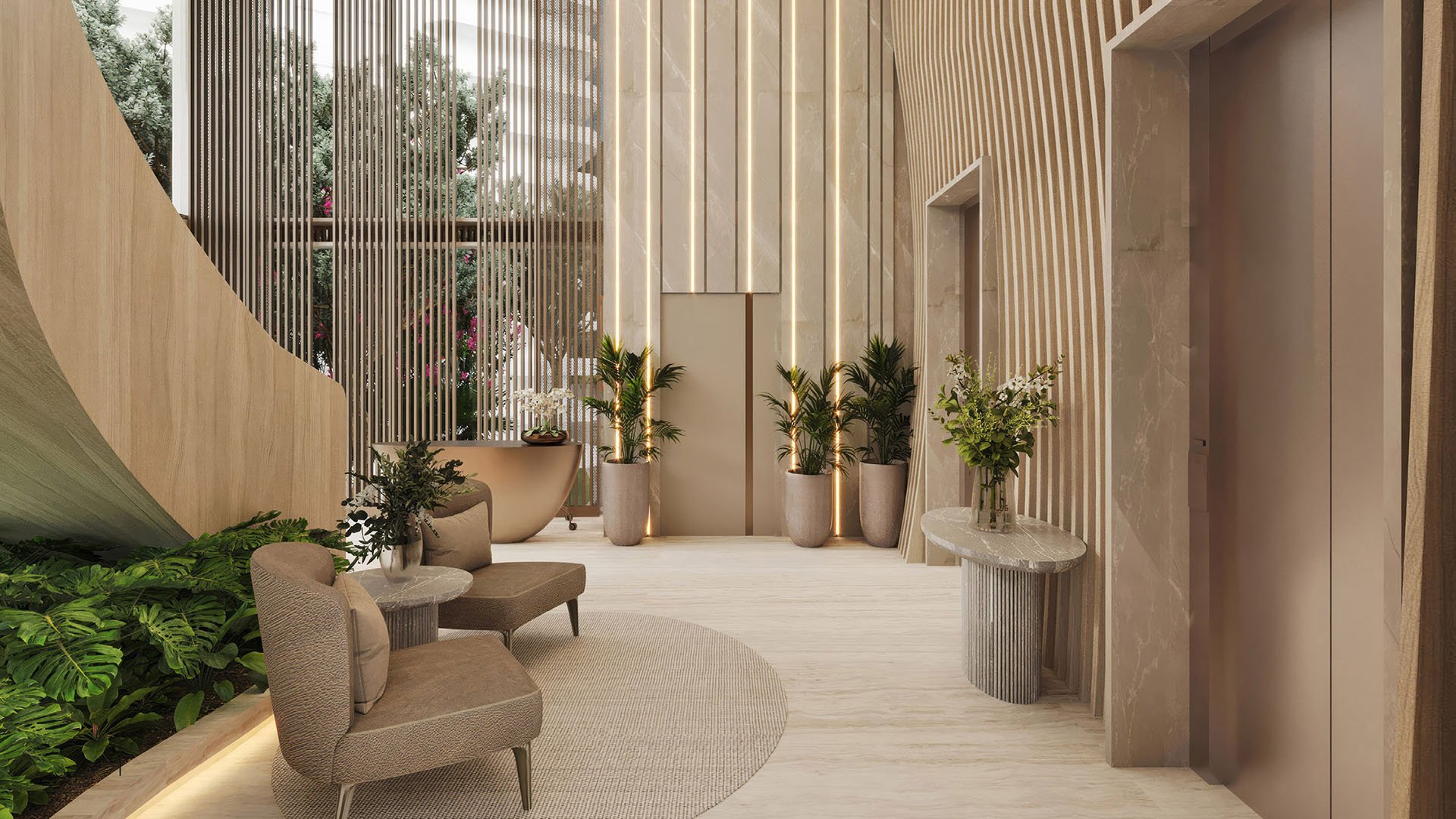
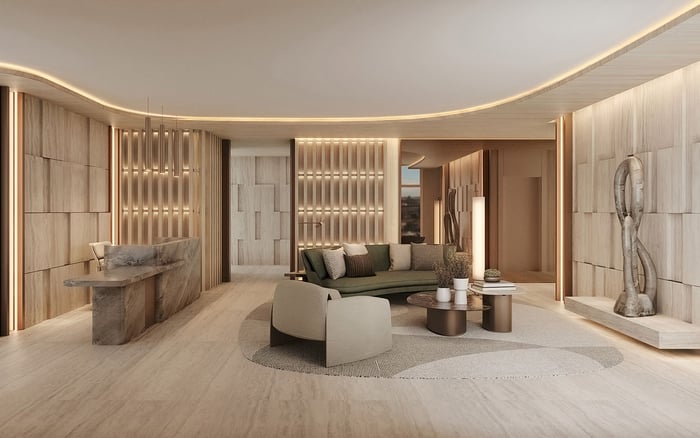
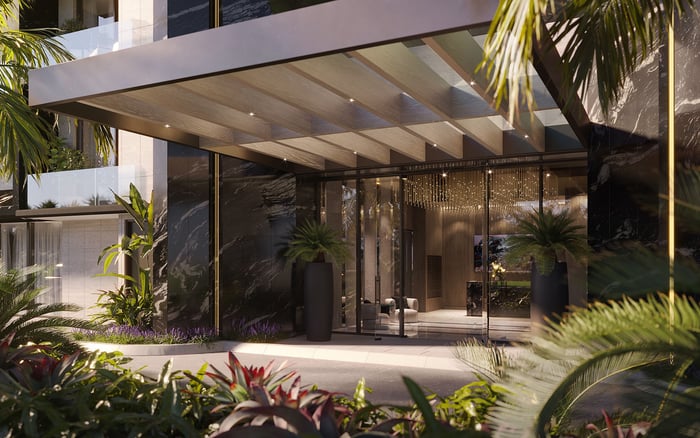
In Bay Harbor Islands, a private elevator arrival can define the character of a residence before the front door is crossed. The feature promises discretion, a calmer transition from public space to private interiors and the feeling of entering a home rather than passing through a conventional condominium corridor. Yet the phrase “private elevator” is not, on its own, a complete specification.
For buyers considering Bay Harbor Towers, La Maré Bay Harbor Islands and Onda Bay Harbor in 2026, the essential task is to understand the entire arrival sequence. One car may serve multiple residences while opening into a dedicated vestibule. Another configuration may offer controlled floor access yet retain shared portions of the journey. The meaningful distinctions are who can enter each space, how access is authorized and what happens during routine operation, maintenance or an interruption in service.
This is where a thoughtful buyer’s guide matters. The elevator should be assessed as part of the home’s architecture and security plan-not simply as an amenity named in marketing materials.
Bay Harbor Towers is a boutique luxury condominium project in Bay Harbor Islands. For a prospective owner, privacy and security should anchor the assessment of any direct-to-residence elevator access.
Begin with the lived experience. Trace the route from the building entrance to the residence, identifying every point where residents, guests, staff or service providers might share space. Ask whether the elevator car itself is private, whether only the landing or vestibule is dedicated, and how the system directs users to the correct floor. A rigorous evaluation moves beyond the label to examine how the configuration performs on a typical morning, during an evening arrival and when deliveries or contractors are expected.
Positioned within the area’s boutique waterfront luxury condominium market, La Maré Bay Harbor Islands presents private elevator arrival as part of an upper-tier, villa-in-the-sky experience. Here, the transition itself merits scrutiny: how directly does the elevator connect to the residence, and precisely where does common space end?
A well-resolved arrival can serve as an architectural prelude, but buyers should balance that experiential appeal with operational questions. Examine the vestibule’s relationship to the interior, the access-control method and the procedures for guests and service personnel. Confirm how privacy is maintained when the elevator is busy, undergoing service or otherwise unavailable. The aim is not to diminish the romance of a private threshold, but to ensure that daily reality supports it.
Onda Bay Harbor is a boutique waterfront condominium development where private elevator arrivals contribute to residential privacy. Direct-to-residence access should be considered in relation to security and daily convenience, then assessed within Onda’s broader low-scale residential experience.
The buyer’s test is practical. Determine whether access is controlled by floor, residence or another sequence, and ask who can authorize each type of visitor. Observe whether the arrival feels genuinely distinct from shared circulation. A discreet system should do more than create an elegant first impression; it should make routine movement intuitive for owners while preserving clear boundaries for everyone else.
Across all three developments, private elevator arrival distinguishes upper-tier Bay Harbor Islands condominiums. It is not necessarily an identical product. A disciplined comparison should isolate four components: the elevator car, its zoning or access permissions, the vestibule and the final threshold into the residence.
During a visit, request a complete demonstration rather than viewing only the finished landing. Begin at the principal entrance. Simulate an owner’s return, a guest’s arrival and a service call. Ask what appears on each access credential, who manages permissions and whether access can be changed promptly. Buyers should also confirm backup procedures and understand which route is used when normal elevator service is interrupted.
Test privacy acoustically and visually. Consider whether an open elevator door exposes the residence, whether the vestibule creates a meaningful buffer and how the arrival relates to the primary living spaces. These observations can reveal more than a polished photograph.
Request written clarification of which elements are private and which remain shared. Confirm the process for residents, household staff, guests, deliveries and emergency access. Ask who maintains the system, how service is coordinated and which procedures govern planned downtime. The goal is not to expect absolute separation at every moment, but to understand the building’s actual operating model.
Finally, assess the elevator arrangement alongside the residence itself. A private arrival is most compelling when circulation, sightlines and access controls form one coherent composition. In a refined condominium, discretion is rarely delivered by a single feature. It results from many small decisions functioning consistently.
Does “private elevator” always mean a dedicated elevator car? No. Buyers should distinguish a dedicated car from controlled floor access, a private vestibule or another partly shared sequence.
What should buyers inspect first? Walk the entire route from the building entrance to the residence, noting every shared or controlled point.
Why does the vestibule matter? It can create a privacy buffer, but buyers should confirm whether it is dedicated to one residence or shared.
How should security be evaluated? Review access permissions, visitor authorization and the procedures for staff, deliveries and emergency entry.
What makes Bay Harbor Towers worth examining closely? Its boutique luxury positioning makes the daily function, privacy and security of direct access central considerations for buyers.
What distinguishes the La Maré arrival concept? Private elevator arrival contributes to its villa-in-the-sky experience, making directness and the transition into the interior especially important.
How should buyers approach Onda’s elevator configuration? Consider it within the development’s boutique, low-scale experience, and test how it contributes to privacy and convenience.
Should buyers ask about elevator zoning? Yes. Zoning clarifies which floors or residences a user can reach and how that access is controlled.
What operational questions are essential? Ask about maintenance, planned downtime, backup routes and procedures for guests, staff and service providers.
What is the best way to shortlist comparable options for touring? Start with location fit, delivery status, and daily lifestyle priorities, then compare stacks and elevations to validate views and privacy.
For a tailored shortlist and next-step guidance, connect with MILLION.
If branded residences are on your mind — as a home or as an allocation — we would be glad to share what we are seeing, privately.
Begin a quiet conversation