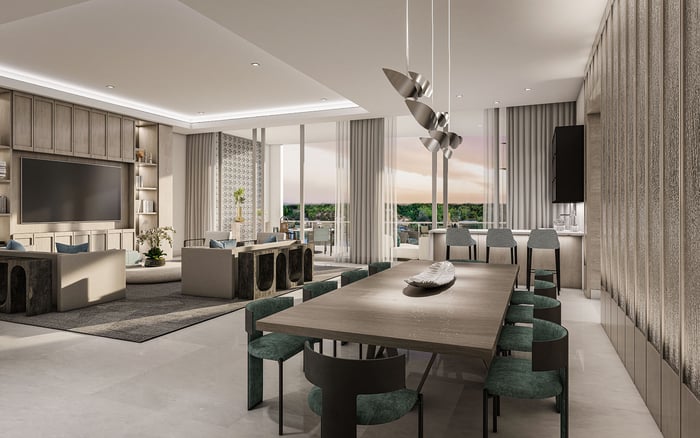
A care-led comparison of West Palm Beach and Palm Beach Gardens should connect residential preferences with physician access, concierge membership terms, home accessibility and long-term household support.
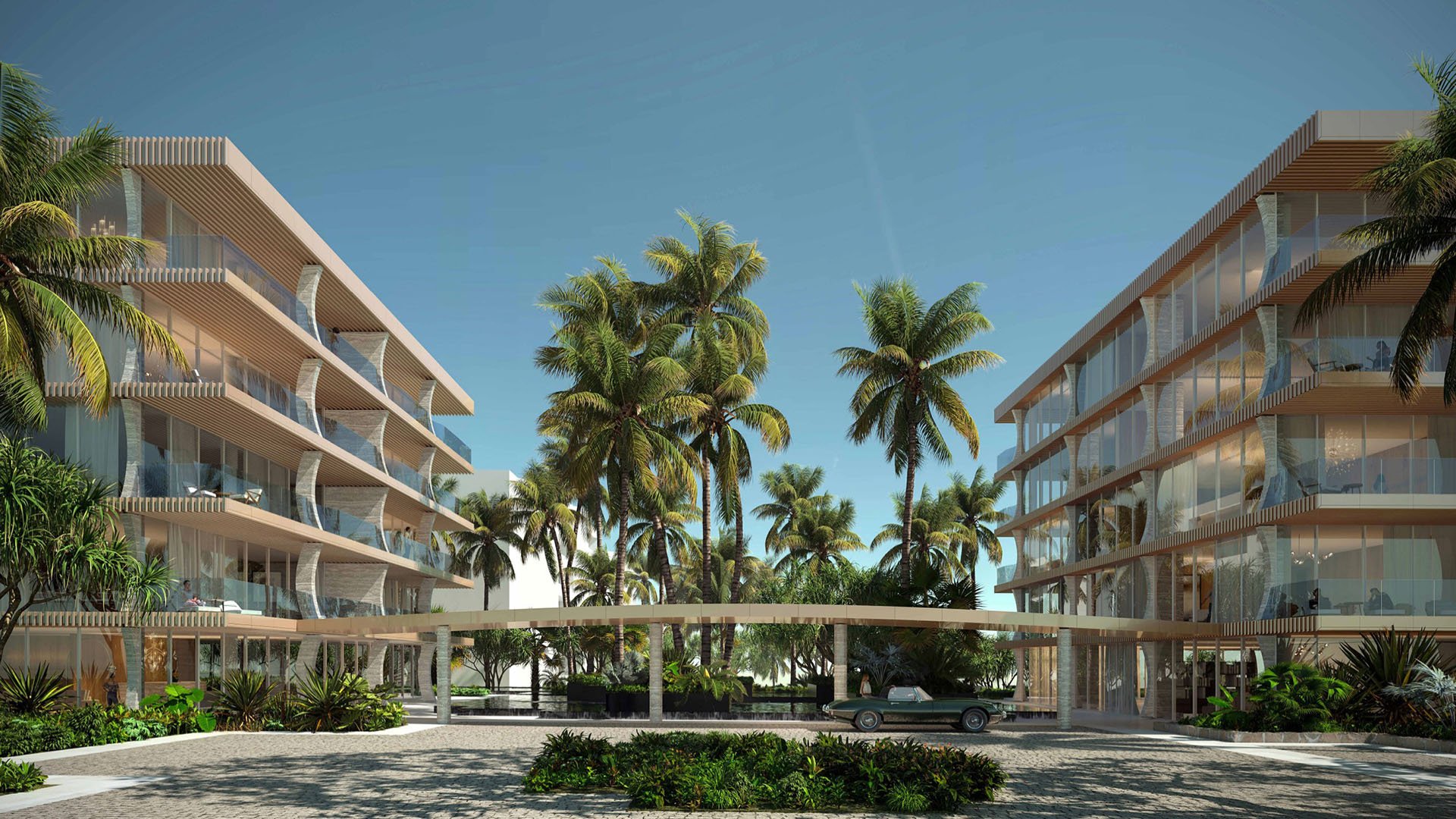
For luxury buyers comparing West Palm Beach and Palm Beach Gardens, wellness access can be considered alongside waterfront orientation, privacy, services and design. The useful question is not which market is universally better. It is which address works more coherently with a buyer’s physicians, preferred care model, mobility needs and long-term household plan.
That analysis is especially relevant for a primary residence, seasonal base or home intended to support aging in place. A polished amenity program cannot replace dependable care arrangements, and proximity alone does not establish access. Buyers should examine the residence, medical relationships and practical support requirements as parts of one plan.
A resilient purchase connects the home, the care relationship and the owner’s changing mobility needs.
A West Palm Beach search can begin by mapping the buyer’s preferred medical offices, hospitals, pharmacies and recurring wellness appointments. The next step is to compare those locations with daily routines, likely driving routes and the building’s arrival experience. Any assumption about convenience should be tested in person at relevant times rather than inferred from a map.
Buyers considering the waterfront can place Forté on Flagler West Palm Beach and The Ritz-Carlton Residences® West Palm Beach within that review. Those drawn to a downtown setting can also assess Mr. C Residences West Palm Beach against the same care-led criteria.
The comparison should remain specific to the household. One owner may prioritize direct routes to established physicians, while another may care more about home-visit logistics, telehealth continuity or space for a visiting caregiver. A seasonal resident may need coordination across locations, whereas a full-time resident may place greater emphasis on after-hours procedures and local specialist relationships.
Palm Beach Gardens should be assessed with the same discipline. Buyers can identify preferred primary-care and specialist relationships, then map those appointments against prospective residences and everyday destinations. The goal is to understand how the complete routine functions, not to rely on a broad neighborhood label.
A viewing of The Ritz-Carlton Residences® Palm Beach Gardens can therefore include questions extending beyond finishes and amenities. Buyers may want to inspect arrival areas, elevator access, parking transitions, service circulation and the practicality of receiving a visiting clinician or caregiver.
The choice between Palm Beach Gardens and West Palm Beach may ultimately turn on personal geography. Existing physician relationships, family proximity, social routines and preferred residential character can all influence the result. Because those factors differ by household, neither market should be treated as the automatic answer for every wellness-focused buyer.
The term “concierge medicine” does not describe one universal service model. Before allowing a membership to influence a property decision, buyers should request clear information about physician access, appointment scheduling, telehealth, home visits, after-hours calls, specialist coordination and coverage when the primary physician is unavailable.
Home visits deserve particular scrutiny. Buyers should determine whether they are included, limited, discretionary or unavailable, and whether the service area encompasses the prospective home. Telehealth also requires careful review, especially for seasonal residents who expect to spend part of the year outside South Florida.
Urgent and emergency needs belong in a separate discussion. Direct physician communication is not the same as emergency response. A care plan should clearly distinguish routine access, after-hours guidance, urgent evaluation and emergency services.
Medical access is only one component of aging-in-place planning. At each property, buyers should inspect the route from vehicle to residence, step-free entry, elevator dependence, thresholds, door widths, bathroom circulation and space for mobility equipment. These details may become more consequential as needs change.
Caregiver accommodation also merits attention. A household may need privacy for a live-in aide, convenient access for scheduled support or a practical service route for equipment and supplies. Buyers should review building procedures directly and avoid assuming that luxury positioning guarantees flexibility.
Waterfront living can introduce additional operational questions. Residents should consider how medications, mobility equipment and support personnel would move through the property during ordinary disruptions. The relevant building procedures should be confirmed as part of due diligence.
Begin with a written list of care priorities and separate essentials from preferences. Essentials may include access to an established physician, manageable entry conditions or room for caregiver support. Preferences might involve proximity to wellness services, a particular residential setting or optional in-home amenities.
Next, test each shortlisted property against several realistic scenarios: ordinary appointments, an after-hours concern, temporary reduced mobility, a home visit and seasonal absence. This exercise can expose gaps that are easy to miss during a conventional tour.
Finally, verify every important assumption with the appropriate medical practice, building representative or adviser. Membership terms, access procedures and residential operations can differ, so the strongest plan is based on direct confirmation rather than general impressions.
West Palm Beach and Palm Beach Gardens can both be considered through this framework, but the better fit remains personal. The right choice is the residence and care plan that continue to function as health, mobility and occupancy patterns evolve.
For a discreet, care-conscious property search in West Palm Beach or Palm Beach Gardens, connect with MILLION.
If branded residences are on your mind — as a home or as an allocation — we would be glad to share what we are seeing, privately.
Begin a quiet conversationMap preferred care locations and recurring appointments against each prospective residence. Test actual routes and household routines before deciding.
No. Buyers should also consider routes, parking, building entry and appointment logistics.
Review physician access, scheduling, telehealth, home visits, after-hours procedures and specialist coordination.
Telehealth availability and limitations may affect continuity while a resident is away. Terms should be confirmed directly with the practice.
Not necessarily. Buyers should verify whether visits are included, limited, discretionary or unavailable.
Step-free entry, practical elevator access, manageable thresholds, suitable bathrooms and circulation space can support changing mobility needs.
A household may eventually need space and workable access for visiting or live-in support. Building procedures should be reviewed in advance.
No. Routine communication, after-hours guidance, urgent evaluation and emergency response are distinct services.
Inspect arrival routes, parking transitions, elevators, thresholds, bathrooms, service access and space for mobility equipment.
Neither market is universally better. The stronger choice is the one that fits the buyer’s care relationships, routines and long-term residential needs.