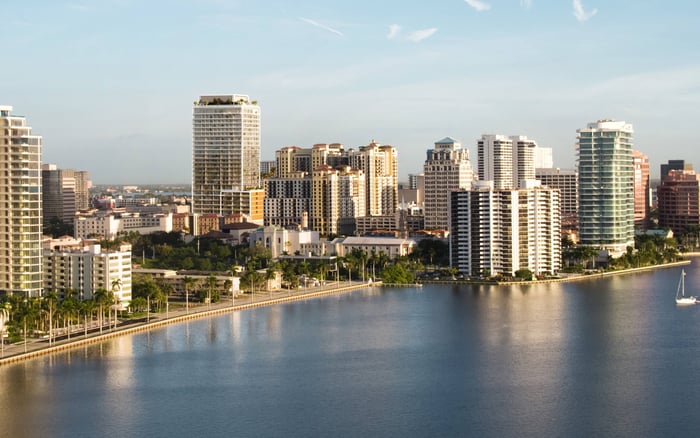
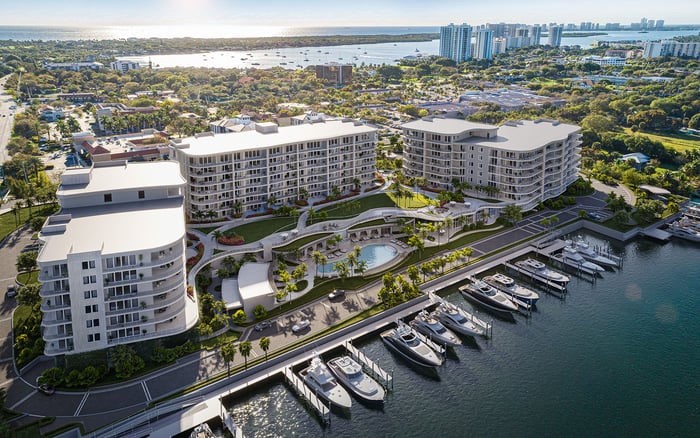
For buyers comparing West Palm Beach and Palm Beach Gardens, waterfront suitability depends on the residence, not a citywide risk label. Parcel mapping, elevation, storm planning and carefully structured insurance provide a more useful basis for choosing.
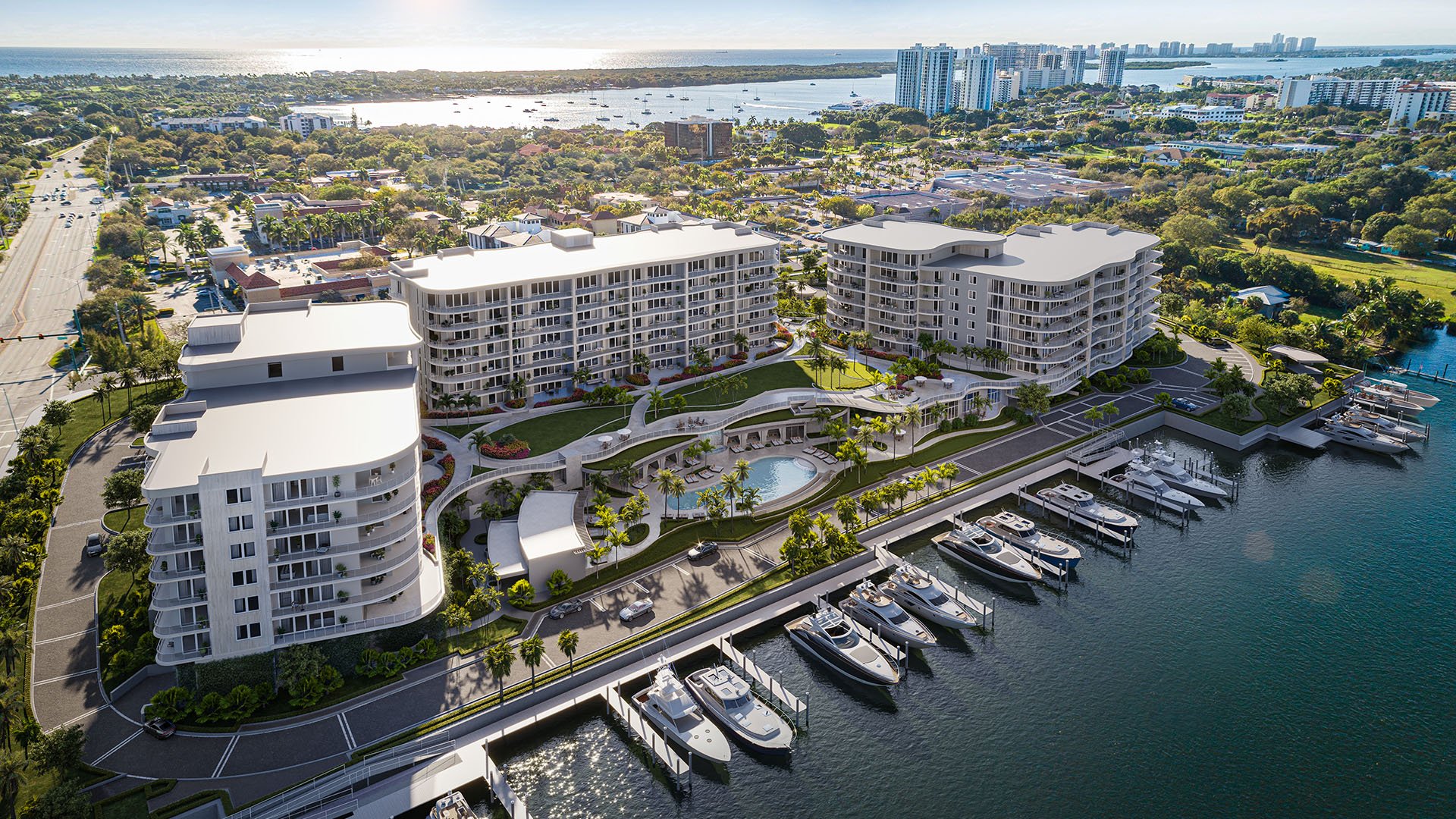
The choice between West Palm Beach and Palm Beach Gardens should begin with a precise definition of what the buyer wants from the water. A view, direct frontage and usable boating access are distinct purchase criteria. They are not interchangeable, and none establishes a property's flood exposure or insurance cost on its own.
For a luxury buyer, the more useful comparison considers the full ownership picture: the residence, its mapped flood zone, documented elevation, storm-planning requirements and available coverage. Neither city name justifies a blanket conclusion that a waterfront purchase will be safer or less expensive to insure.
Different buyers can reach different conclusions without disagreeing about risk. A view-focused purchaser may prioritize the outlook while investigating building-level protection. A buyer seeking direct water access should verify frontage and boating suitability separately. An estate purchaser needs an insurance discussion grounded in rebuilding cost. These distinctions apply in both cities.
West Palm Beach offers a practical starting point. Property-specific assistance with flood zones, coastal erosion and previous flooding is available at 561-805-6705, along with flood-insurance advice. County flood-zone information and FEMA maps can help determine whether a property lies within a Special Flood Hazard Area.
These resources help a purchaser move from an appealing address to a documented decision. Before placing a residence on the shortlist, assemble its mapping, elevation information and insurance questions. Resolve discrepancies rather than relying on broad neighborhood descriptions.
A buyer considering Alba West Palm Beach can apply that discipline without assuming anything about the project's flood classification or coverage. What matters is what the documentation establishes for the property under consideration-not what its name or presentation might suggest.
Municipal assistance is a resource, not a substitute for a property-specific insurance quote. Its availability does not establish that Palm Beach Gardens provides less public support.
For a Palm Beach Gardens search, pair the street address with the parcel identification number, locate the applicable FEMA map and obtain a parcel-specific FIRMette. This gives the buyer a defined reference for discussions about flood classification and insurance.
The same discipline applies to a review of The Ritz-Carlton Residences® Palm Beach Gardens. Request the relevant property documentation and have the insurance adviser explain how the proposed protection applies to the contemplated purchase. Comparing projects should not become a shortcut to assumptions about flood exposure.
If direct water use is essential, establish frontage, navigable access and boating suitability as separate purchase conditions. If the objective is primarily a water view, keep that preference distinct from the physical exposure analysis. The two-city search then becomes more useful: compare residences that meet the same waterfront criteria, then examine their differences through documents and quotes.
A flood-zone designation is a starting point, not a complete storm-planning file. Obtain an elevation certificate and compare the lowest-floor elevation with the applicable Base Flood Elevation, or BFE. Ask the reviewing professional to explain that relationship clearly before drawing conclusions about the property.
An advertised elevation figure should not replace this exercise. Confirm what was measured and how it relates to the residence and the applicable flood benchmark. Precision matters more than a reassuring number detached from its context.
A map identifying residential units at risk from Category 5 hurricane surge in Palm Beach County provides an additional storm-planning resource. Use it alongside parcel-level flood mapping rather than treating either map as the answer to every exposure question.
For a buyer evaluating Forté on Flagler West Palm Beach, the same principle holds: a preferred outlook should prompt a documented discussion of exposure and preparedness. Ask how the residence's storm arrangements address the buyer's intended use, including periods when the owner will be away.
Standard homeowners insurance does not cover flood damage. Rising water, storm surge and inland flooding require separate flood protection through the National Flood Insurance Program, or NFIP, or private flood coverage. A homeowners quote alone is not a complete answer to a waterfront insurance inquiry.
Homes in high-risk FEMA flood zones with federally backed mortgages generally must carry flood insurance. That financing requirement matters, but it should not be the buyer's sole test of whether coverage is appropriate. Ask the adviser to distinguish lender requirements from the protection being recommended.
Wind requires its own review. Coastal wind coverage may be included in a high-value homeowners policy; a separate wind policy may be necessary when the homeowners carrier excludes it. Request a clear explanation of what each proposed policy covers, where exclusions apply and which deductibles the owner would retain.
The objective is not simply to collect policies. It is to understand whether homeowners, wind and flood protection work together coherently for the specific residence.
For a single-family home, NFIP coverage is capped at $250,000 for the building and $100,000 for contents. Those limits can leave substantial gaps for a luxury waterfront estate and should not be mistaken for a complete rebuilding solution.
One possible waterfront-estate insurance structure combines high-net-worth homeowners insurance, NFIP coverage and private excess flood insurance. Treat it as an option to evaluate, not a universal requirement. Private flood coverage is another alternative; the appropriate arrangement depends on the property and the offered terms.
Evaluate excess flood protection against rebuilding cost rather than assuming the NFIP building limit is sufficient. Keep the single-family limits distinct from questions about a condominium purchase, where the buyer should request an explanation of the protection applicable to both the building and the individual residence.
Obtain flood-insurance quotes early, and verify mitigation features and associated permits before purchasing. Review the map, elevation certificate, rebuilding assessment and proposed policies together so unresolved questions remain visible.
West Palm Beach and Palm Beach Gardens can remain on the same shortlist without forcing a citywide risk ranking. The stronger choice is the residence that meets the buyer's waterfront expectations, with an exposure profile, storm plan and insurance arrangement the buyer understands and accepts.
For a considered comparison of residences in both markets, explore MILLION.
If branded residences are on your mind — as a home or as an allocation — we would be glad to share what we are seeing, privately.
Begin a quiet conversationA citywide ranking is not justified. Compare the specific property's flood zone, elevation, surge exposure and insurance terms instead.
No. Water views, direct frontage, navigable access and boating suitability should be verified separately before purchase.
The Development Services Department provides assistance on flood zones, coastal erosion and previous flooding at 561-805-6705. The city also provides that number for flood-insurance advice.
Use the street address and parcel identification number to locate the applicable FEMA map and obtain a parcel-specific FIRMette.
Compare the lowest-floor elevation with the applicable Base Flood Elevation. Have a qualified professional explain the relationship rather than relying on an advertised elevation figure.
No. Flood damage, including storm surge and rising water, requires separate NFIP or private flood coverage.
Homes in high-risk FEMA flood zones with federally backed mortgages generally must carry flood insurance. A lender's requirement should be distinguished from the buyer's broader protection needs.
NFIP coverage is capped at $250,000 for the building and $100,000 for contents. Luxury estate buyers should evaluate potential gaps against rebuilding cost and contents exposure.
No. It may be included in a high-value homeowners policy, but a separate wind policy may be necessary if the homeowners carrier excludes wind.
Obtain quotes early in the purchase process and verify mitigation features and associated permits before purchasing. Review coverage alongside mapping, elevation and rebuilding cost.