A practical framework for Chicago families buying in West Palm Beach: verify the property's flood zone, examine building elevations, and reconcile association insurance with owner-level protection before closing.
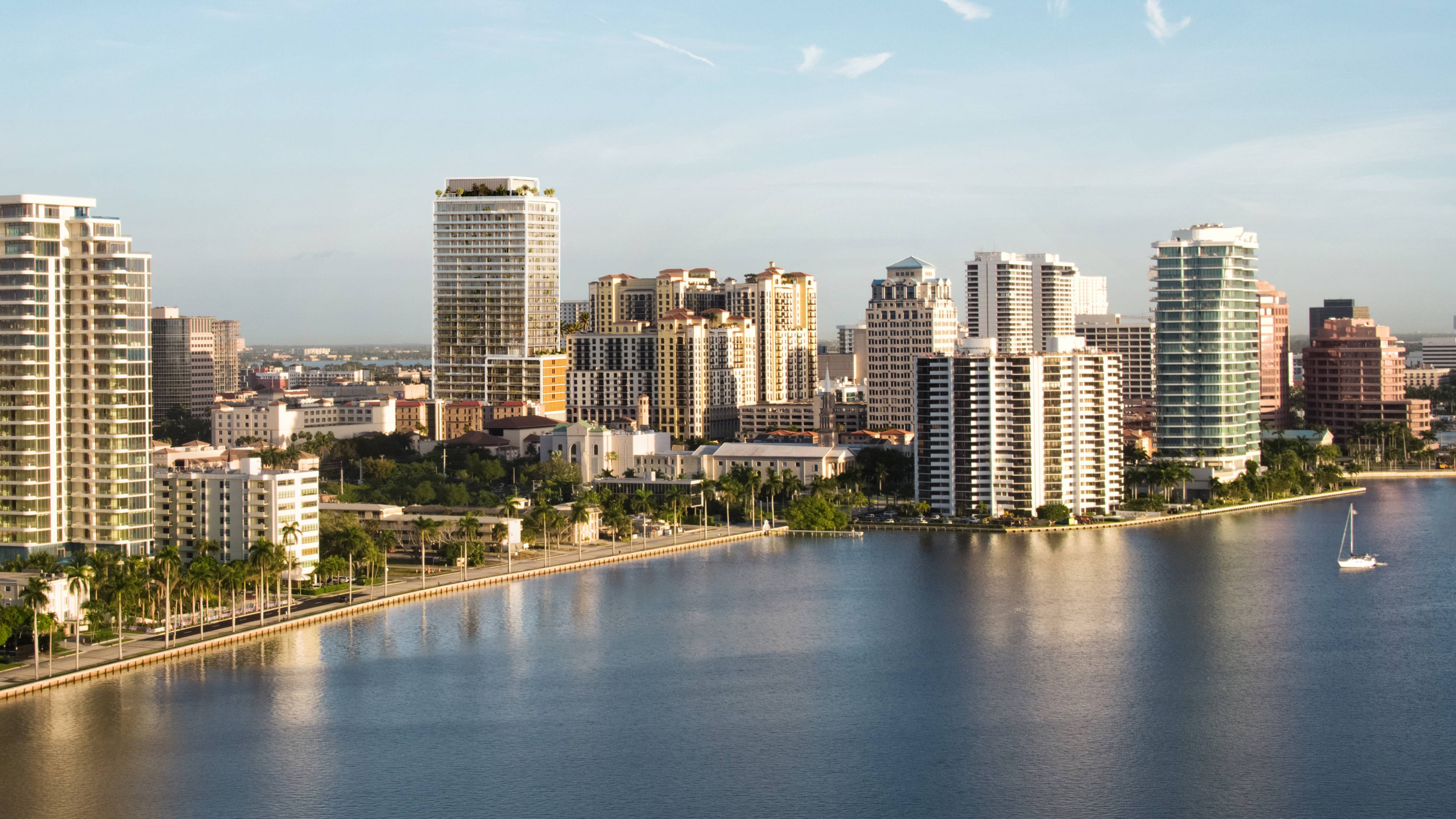
For a Chicago family preparing to move to West Palm Beach, the most useful insurance conversation begins before the moving calendar is set. A residence's appeal and its protection against loss are separate considerations. The address, building elevations, and division between association and owner insurance deserve one coordinated review-not three disconnected exchanges near closing.
Build that review around a shared property file. Request elevation records and insurance documents from the seller or association, then have the lender and a Florida-licensed insurance agent reconcile financing requirements with proposed coverage. Your previous city is not the basis for that analysis; the property and its policies are.
If Alba West Palm Beach is on your shortlist, apply the same document-first discipline you would to any other candidate. A project name alone establishes neither a flood-zone designation nor an insurance outcome.
Start with the exact property address and check its mapped FEMA flood zone through the county's flood-zone determination system. Review current and historical mapping separately so an older document does not become the basis for a current purchase decision.
For address-specific questions in West Palm Beach, call 561-805-6705 to ask about the flood zone, coastal erosion exposure, and known flooding problems. Keep those answers in the property file; they do not replace an elevation and insurance review.
The principal distinctions are straightforward:
AE and AH are Special Flood Hazard Area designations associated with a 1% annual chance of flooding.
VE identifies coastal high-hazard exposure involving wave action.
Shaded and unshaded Zone X indicate lower mapped risk than Special Flood Hazard Areas, not an absence of flood risk.
Avoid reducing the decision to whether an address is “in a flood zone.” Ask instead about the applicable designation, the building's actual elevations, and the protection available for the identified exposures.
Request an existing elevation certificate and other available elevation records. Have the relevant property professionals explain how the building's finished-floor elevation compares with the applicable Base Flood Elevation, or BFE. BFE is a reference for review-not a guaranteed ceiling for floodwater.
A single floor measurement does not complete the review. Ground-level living areas, garages, storage spaces, and mechanical equipment warrant separate questions, particularly where they sit near or below the applicable BFE. Ask which elevations are documented and which still need clarification.
For a family considering Forté on Flagler West Palm Beach, examine the building as well as the residence. A preferred unit's floor level should not end questions about lower-level spaces and equipment. This is a due-diligence framework, not a statement about that project's elevations or exposure.
In a condominium purchase, the association's master property policy generally covers the building structure and common elements. It does not replace the owner's individual insurance. Florida's condominium insurance framework generally assigns originally installed condominium property, or like-kind replacement, to the association, subject to exclusions for owner-responsibility items.
That distinction matters in a carefully appointed residence. Do not assume personal belongings, floor and wall coverings, appliances, cabinets, countertops, and window treatments fall under the master policy simply because they are already installed.
Even one wall illustrates the boundary: the association generally covers the drywall board, while paint, wallpaper, and other interior finishes fall to the owner. Broad descriptions such as “bare walls” or “all-in” cannot settle every item. Review the actual policy alongside applicable Florida requirements and the owner's responsibilities.
When evaluating Mr. C Residences West Palm Beach, include the interiors in the insurance conversation rather than reserving them for the design discussion. Ask the agent to identify what the owner must insure and the replacement-cost basis for that coverage. Do not automatically apply condominium rules to a townhome, single-family home, or every property governed by an HOA.
Standard property and HO-6 policies generally exclude flood damage. A master property policy, even with wind coverage addressed, is therefore not evidence that the association carries flood insurance. Request building-level flood documents separately.
Obtain the full master policy, declarations, insurance summary, and any flood policy. Identify limits and deductibles for each coverage, then ask how the building's flood policy treats unit interiors, improvements, and contents. Do not assume upgraded finishes are universally included or excluded.
Flood coverage is commonly a financing requirement in high-risk zones. Have the lender confirm the requirements for the specific property before closing, and have the insurance agent explain how the available policies respond. Consider lender acceptance separately from the family's preferred level of protection.
For buyers comparing Shorecrest Flagler Drive West Palm Beach with other residences, ask consistent questions across every property file. Compare documented limits, deductibles, and owner responsibilities-not simply whether an insurance summary has been supplied.
An HO-6 policy can cover unit interiors, personal belongings, liability, and loss assessments, subject to its terms, exclusions, limits, and deductibles. Coverage A should reflect the interiors and improvements the owner is responsible for insuring, including custom cabinetry and other upgrades.
Prepare an inventory of those finishes and belongings for the agent's replacement-cost review. The relevant figure is the cost of replacing the owner-insured property, not an assumption based on the residence's purchase price or the association's total insurance limit.
Master-policy deductibles can also create owner exposure after a covered loss. HO-6 loss-assessment coverage may help, but its availability and limits must be checked against the potential assessment. Ask specifically how the policy would treat an assessment connected to the association's deductible. Loss-assessment coverage is not an unlimited backstop.
Before closing, bring the address-specific map review, elevation records, association policies, proposed owner coverage, and lender requirements into one conversation. Assign each unresolved question to a responsible party: the seller or association for documents, the lender for financing conditions, and the insurance agent for coverage interpretation and options.
For a family managing a move from Chicago, that coordination clarifies the decision: what is documented, what is insured, and what financial exposure remains with the owner. The objective is not a promise of zero risk, but a residence whose responsibilities are understood before the keys change hands.
For a considered approach to your West Palm Beach home search, explore MILLION.
If branded residences are on your mind — as a home or as an allocation — we would be glad to share what we are seeing, privately.
Begin a quiet conversationStart with the exact property address and the county's flood-zone determination system. Check current mapping separately from historical maps.
Call 561-805-6705 to ask about the property's flood zone, coastal erosion exposure, and known flooding problems.
AE and AH are Special Flood Hazard Area designations associated with a 1% annual chance of flooding. VE identifies coastal high-hazard exposure involving wave action.
No. Shaded and unshaded Zone X indicate lower mapped risk than Special Flood Hazard Areas, not freedom from flood risk.
Ask how the documented finished-floor elevation compares with the applicable Base Flood Elevation. Review garages, storage, ground-level living areas, and mechanical equipment separately, and do not treat BFE as a maximum possible flood height.
No. Owner-responsibility items include floor and wall coverings, appliances, cabinets, countertops, and window treatments, so the actual insurance boundary needs review.
Standard HO-6 coverage generally excludes flood damage. Review separately purchased flood coverage and verify any building-level flood policy.
HO-6 Coverage A should reflect the replacement cost of interiors and improvements the owner must insure. Custom cabinetry and other upgrades deserve an itemized review with the insurance agent.
Yes, master-policy deductibles can create owner exposure after a covered loss. HO-6 loss-assessment coverage may help, but its terms and limits must be checked.
The lender should confirm property-specific flood insurance requirements, while the agent reviews available coverage, limits, deductibles, and exclusions. Reconcile those answers with the association documents and proposed owner policies.