A disciplined Hallandale Beach purchase review should connect insurance terms, flood exposure, condominium finances, and deductibles to future marketability and carrying costs.
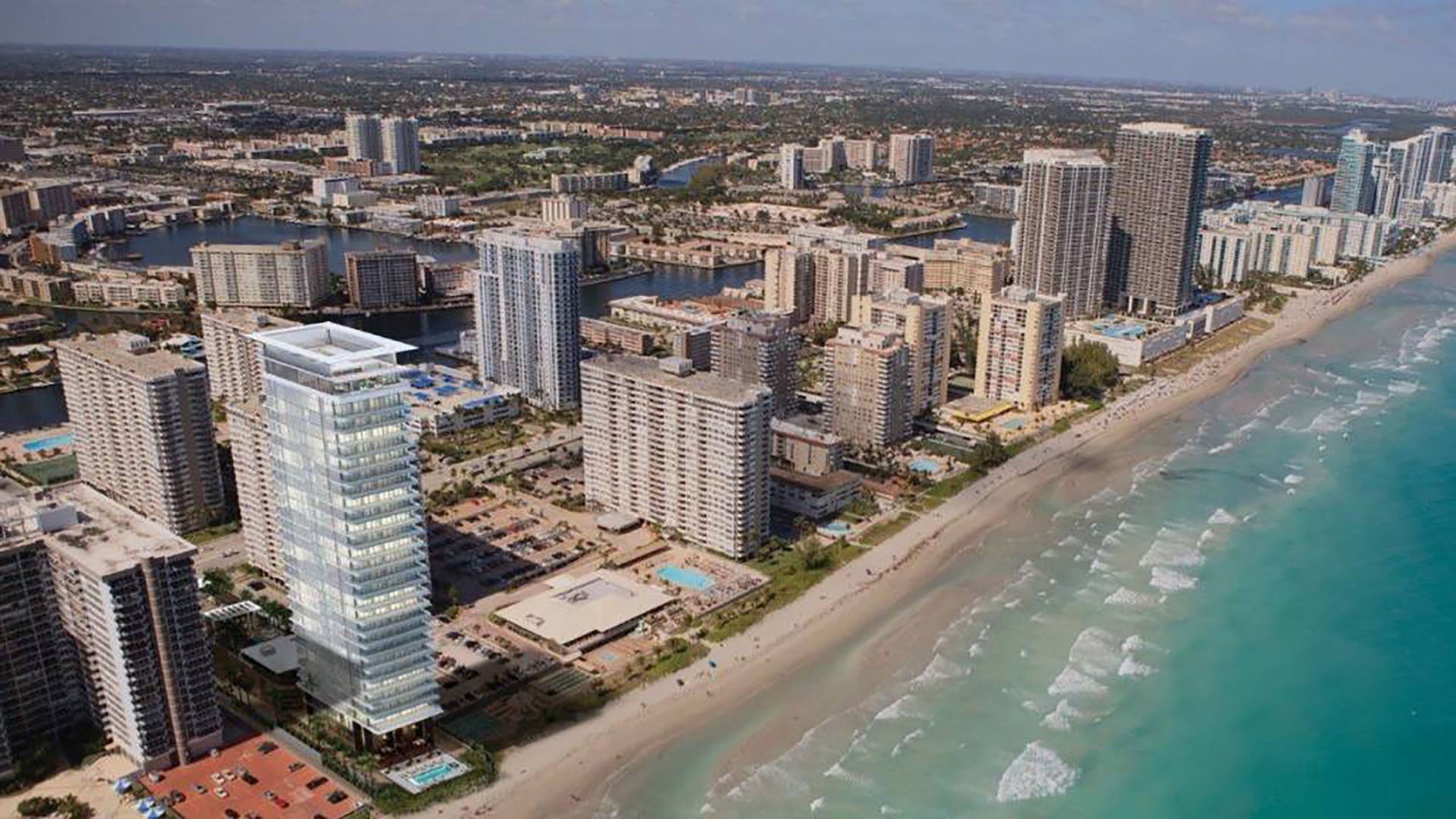
A Hallandale Beach residence should be evaluated as both a private retreat and a long-term financial commitment. Ocean proximity, water views, privacy, and design may lead the search, but the insurance structure can materially shape annual carrying costs and a future buyer’s confidence.
The essential principle is simple: do not assess the premium, flood designation, deductible, building condition, or association finances in isolation. Read them together. The strongest acquisition is not necessarily the home with the lowest current insurance cost, but the one whose risks, protections, and obligations can be understood without heroic assumptions.
Request complete policy information rather than relying on a summary page or verbal estimate. Clarify which policy responds to the residence, which belongs to the condominium association, what property each covers, and where exclusions or sublimits may apply. Never assume that a luxury interior, private terrace, storage area, or upgraded finish package falls within the association’s protection.
Ask an insurance adviser to explain replacement-cost assumptions, loss assessment coverage, temporary living provisions, water-related exclusions, and the treatment of improvements. Compare proposals on matching terms. A lower premium paired with narrower protection or a larger deductible is not an equivalent quotation.
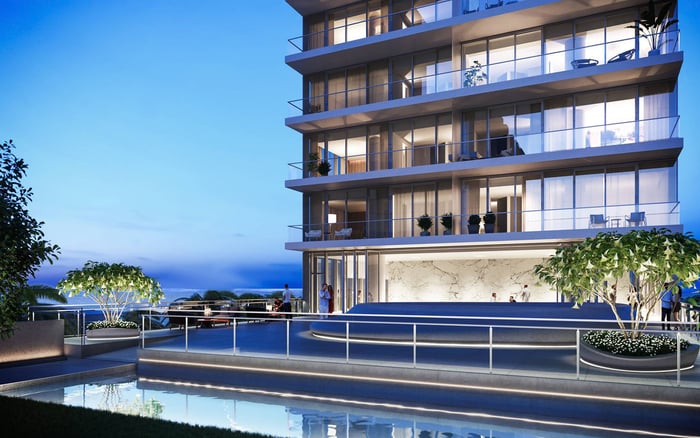
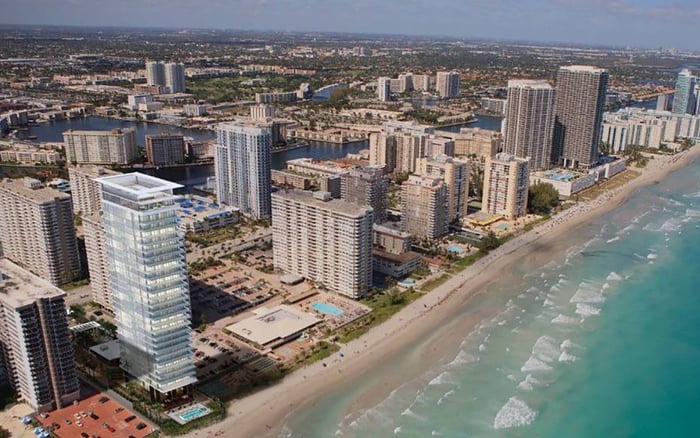
At 2000 Ocean Hallandale Beach or any oceanfront condominium under consideration, buyers should align the unit-policy review with the association’s master policy, governing documents, and responsibility matrix.
Percentage deductibles can appear modest until converted into dollar exposure. Ask the adviser to identify the value to which each percentage applies, then calculate the potential out-of-pocket amount for every relevant deductible. Keep wind, hurricane, flood, and other causes of loss distinct rather than reducing them to a single generic deductible.
The analysis should also test liquidity. Could the owner comfortably fund the unit-level deductible, an uncovered interior loss, and a possible association assessment without disrupting the broader investment plan? For a second home, examine how absence, maintenance protocols, and response time could affect coverage obligations.
Create a one-page comparison showing the premium, deductible basis, dollar deductible, principal exclusions, coverage limits, and open questions. This makes materially different proposals easier to distinguish.
A flood-zone label is a starting point, not a complete property diagnosis. Review the specific building, unit elevation, garage and storage positions, mechanical locations, entry sequence, and practical access before and after severe weather. Ask whether the residence, contents, vehicles, and common elements require separate decisions.
Waterfront appeal remains central to Hallandale Beach, but exposure may vary within the same neighborhood-and even within a single structure. Buyers should obtain a current flood determination and discuss suitable coverage with qualified advisers. When financing is involved, confirm lender requirements early rather than near closing.
The same framework applies when comparing nearby coastal alternatives such as The Ritz-Carlton Residences® Fort Lauderdale and St. Regis® Residences Sunny Isles. An address alone cannot replace asset-specific diligence.
In a condominium purchase, future insurability and marketability are closely tied to the association’s governance and financial discipline. Review the master insurance program, deductibles, reserve information, budgets, recent meeting materials, pending work, claims history available for diligence, and responsibility for common elements.
Ask how the association would fund a master-policy deductible or uninsured repair. Determine whether it could use a special assessment, reserve allocation, or another mechanism. Counsel, an insurance professional, an inspector, and a financial adviser should interpret the documents within their respective specialties.
This review extends beyond oceanfront towers. A buyer considering Shell Bay by Auberge Hallandale should investigate the precise ownership structure, applicable insurance obligations, and shared-property responsibilities rather than transfer assumptions from another development.
Resale strength depends partly on whether the next buyer can understand, insure, finance, and comfortably carry the property. Preserve every policy proposal, inspection, association document, flood determination, improvement record, and mitigation-related document obtained during ownership. An orderly file can make future diligence more efficient.
Model more than one carrying-cost scenario. Consider how a higher premium, larger deductible, or assessment could affect the annual budget and buyer pool. Do not forecast a specific outcome. Instead, ask whether the residence remains compelling if costs prove less favorable than today’s quotation.
Distinguish unit-specific advantages from building-wide obligations. High-quality renovations may support desirability, but they do not neutralize association-level exposure. Conversely, disciplined governance and clearly allocated responsibilities may support confidence even when coastal insurance remains a serious line item.
Before signing, compare shortlisted properties across the same categories: annual premium, coverage scope, dollar deductibles, flood considerations, master-policy structure, reserves, known work, assessment mechanisms, and estimated total carrying cost. Include lifestyle criteria, but do not let an exceptional view erase unanswered financial questions.
The objective is not to eliminate coastal risk. It is to price, allocate, insure, and document that risk with enough clarity to keep ownership elegant and the eventual sale credible.
Is the lowest insurance premium automatically the best option? No. Compare coverage limits, exclusions, deductibles, valuation assumptions, and policy responsibilities before judging the price.
Should I review the condominium master policy before purchasing? Yes. It helps clarify common-property coverage, deductibles, exclusions, and potential unit-owner obligations.
Why should a percentage deductible be converted into dollars? The calculation reveals the actual liquidity required after a covered event.
Does a flood-zone designation tell me everything about exposure? No. Building elevation, access, parking, storage, mechanical placement, and unit position also warrant review.
Can the association’s deductible affect an individual owner? Potentially. Review governing documents and funding mechanisms with qualified legal and insurance advisers.
What documents should I request from the association? Seek current insurance materials, budgets, reserve information, meeting records, and available details on claims and projects.
How does insurance influence long-term marketability? Cost, coverage availability, deductibles, and association finances can shape future buyer confidence and affordability.
Should cash buyers evaluate insurance as carefully as financed buyers? Yes. The absence of lender requirements does not remove physical exposure or financial risk.
How often should coverage be reviewed after closing? Review it regularly and whenever values, improvements, occupancy, association policies, or ownership circumstances change.
Who should participate in insurance and flood diligence? Use qualified insurance, legal, inspection, lending, and financial professionals for advice within their specialties.
When you're ready to tour or underwrite the options, connect with MILLION.
If branded residences are on your mind — as a home or as an allocation — we would be glad to share what we are seeing, privately.
Begin a quiet conversation