A disciplined framework for weighing waterfront exposure, storm readiness, ownership costs, building governance, and future resale appeal across Miami’s luxury market.
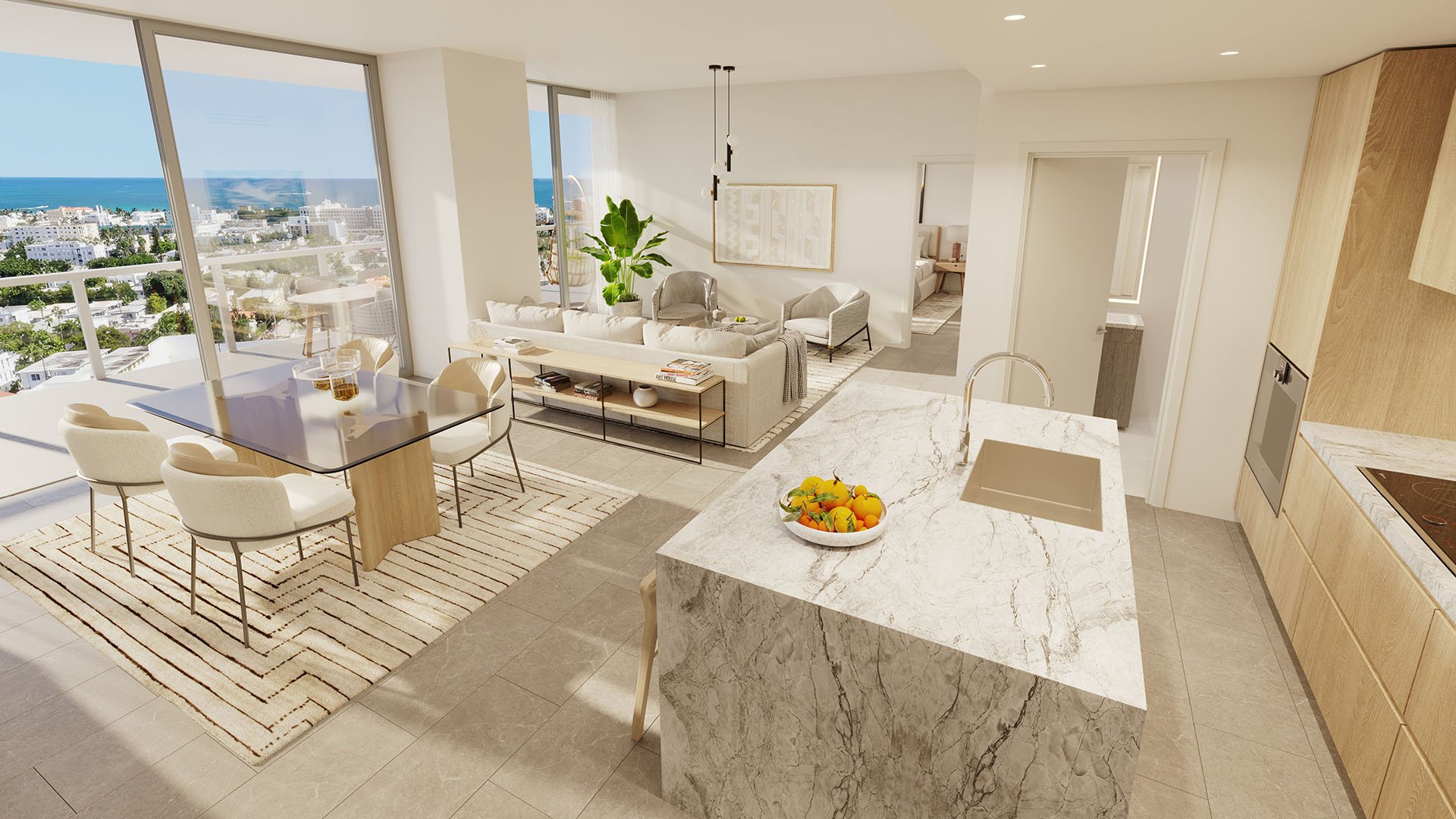
Waterfront ownership in Miami is not a single category. An oceanfront tower, bay residence, island address, and canal-side home each create a distinct relationship with water, wind, access, privacy, and maintenance. An effective purchase analysis therefore begins by separating the emotional proposition from the physical one.
Ask what the water will contribute to daily life. One buyer may prioritize a broad horizon; another may value protected dockage, quiet water, or proximity to the city. Then consider whether that appeal will remain clear to a future buyer. Enduring value often rests on a compelling combination of view, access, privacy, floor plan, and service-not on one spectacular attribute carrying the entire proposition.
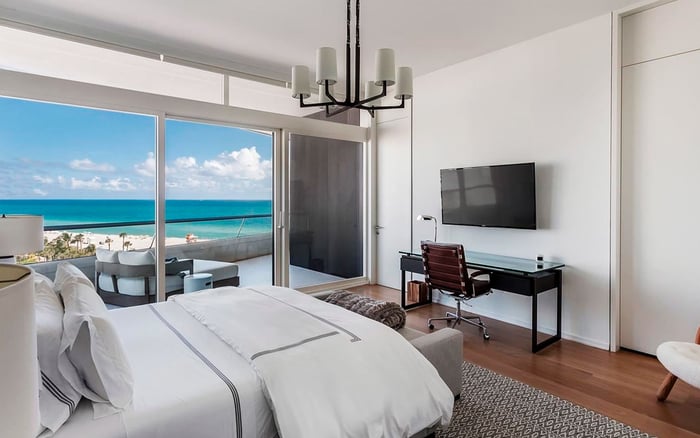
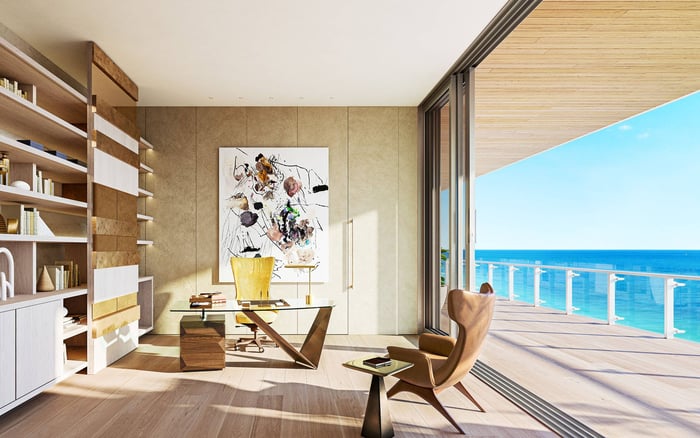
For a useful geographic comparison, examine how The Perigon Miami Beach, St. Regis® Residences Sunny Isles, and The Residences at Six Fisher Island frame three distinct settings. The objective is not to declare one superior, but to determine which waterfront experience best fits your use case and attracts the broadest future audience.
A refined exterior and polished amenity program should never replace technical diligence. Assess waterfront exposure across four layers: the broader site, the building, the individual residence, and the route used to reach it.
At the site level, investigate elevation, drainage, surrounding streets, landscape design, proximity to the water, and the condition of seawalls or other relevant boundaries. At the building level, focus on storm protocols, backup systems, water management, exterior-envelope care, and protection for essential equipment. Within the residence, examine glazing, openings, terraces, drainage points, interior finishes, and any owner responsibilities before a storm.
Access is often overlooked. A residence may remain physically sound even as nearby roads, parking areas, elevators, or services compromise its practical use. Ask management how the property prepares, communicates, secures common areas, restores operations, and documents lessons after significant weather. The quality of the response matters almost as much as the equipment itself.
The most valuable due diligence extends well beyond current charges. With qualified advisers, review budgets, reserves, insurance structure, deductibles, maintenance history, planned work, owner obligations, leasing rules, pet policies, and approval procedures. Seek clarification wherever responsibility could shift between the association and the owner.
Minutes and engineering materials can also reveal a culture of stewardship. Look for orderly decision-making, consistent follow-through, and a willingness to address maintenance before it becomes urgent. A buyer should understand not only what has been completed, but also how future capital needs are identified and funded.
This discipline is central to resale. Future purchasers may scrutinize recurring costs, governance, insurability, and potential disruption as closely as finishes and views. A well-run property can make those conversations easier; uncertainty can narrow the buyer pool even when the residence photographs beautifully.
A waterfront budget should account for more than the contract price and routine association charges. Build a private ownership model that includes insurance, deductibles, interior maintenance, terrace and glazing care, parking, storage, marina-related expenses where applicable, and a contingency for future improvements.
Test the budget across several ownership scenarios, including primary use, seasonal use, and an extended period before resale. The goal is not to predict an exact outcome, but to determine whether the property remains comfortable to hold as expenses change or liquidity slows.
Buyer’s guides often emphasize visible specifications. For waterfront property, the less visible operating structure deserves equal weight. A residence that is straightforward to understand, insure, maintain, and leave unattended may appeal to a broader audience than one requiring unusually complex oversight.
Long-term marketability tends to reward clarity. Efficient circulation, useful bedroom separation, generous storage, practical service access, protected outdoor space, and views enjoyed from primary living areas are readily understood by future buyers. Highly personalized decoration can be changed; compromised proportions and awkward access are far more difficult to correct.
Elevation also deserves a nuanced assessment. Higher floors may offer greater visual drama, while lower positions can create a more immediate connection to the water and landscape. Evaluate wind exposure, terrace usability, elevator dependence, privacy, and sightlines from both seated and standing positions.
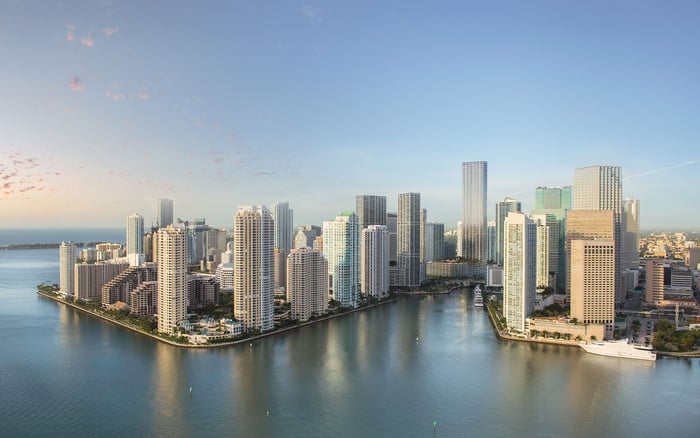
Consider Una Residences Brickell when comparing an urban waterfront context with coastal alternatives. Likewise, Onda Bay Harbor can serve as a reference point for a more intimate, island-oriented search. Contrasting these settings can clarify which attributes are essential and which are merely appealing in the moment.
Storm readiness is both technical and operational. Request the written procedures governing resident communications, shutters or impact protection where relevant, terrace preparation, vehicle access, elevators, generators, staffing, vendor response, and post-event inspections. Confirm which tasks belong to management and which remain the owner’s responsibility.
For a second home, the ability to prepare remotely can be especially important. Determine whether management or an approved vendor can inspect the residence, secure outdoor items, document conditions, and coordinate entry afterward. These arrangements should be clear before they are needed.
Waterfront ownership also demands personal discipline. Maintain an updated inventory, understand insurance notice requirements, keep essential contacts accessible, and avoid leaving terrace furnishings or delicate exterior elements unmanaged. Preparedness should feel routine rather than improvised.
Before making an offer, imagine presenting the residence to the next discerning buyer. What is the concise case for ownership? It may be a rare view, a particularly usable plan, privacy, service, boating access, or an exceptional neighborhood position. The answer should be both specific and durable.
Then identify the likely objections. Carrying cost, nearby construction, access, dated common areas, restrictive rules, or complicated storm procedures may not preclude a purchase, but they should inform valuation and holding strategy. In Miami Beach, Sunny Isles Beach, and Fisher Island, prestige alone does not eliminate the need for rigorous analysis.
The strongest waterfront acquisition is rarely the one with the most dramatic first impression. It is the one in which lifestyle pleasure, operational confidence, financial resilience, and future desirability reinforce one another.
What should I review first in a Miami waterfront purchase? Begin with the site, building condition, ownership documents, insurance framework, and total carrying cost before turning to decoration.
Does a higher floor automatically offer better resale? No. Views may improve, but buyers also weigh wind, terrace comfort, elevator reliance, layout, and price.
Why does building governance matter? Governance influences maintenance, capital planning, communication, and the confidence a future purchaser may place in the property.
What storm documents should a condo buyer request? Request current preparation procedures, owner responsibilities, insurance information, emergency communications, and relevant inspection or maintenance materials.
How should a second-home buyer prepare remotely? Confirm who can inspect and secure the residence, document its condition, coordinate access, and communicate after severe weather.
Are waterfront carrying costs predictable? Some are recurring; others can change. Model several scenarios and maintain a contingency rather than relying on a single estimate.
What residence features tend to support resale? Clear layouts, useful storage, privacy, practical service access, protected outdoor areas, and compelling views from primary rooms can broaden appeal.
Should buyers prioritize oceanfront over bayfront? Not automatically. The better choice depends on views, boating needs, access, privacy, exposure, daily use, and the future buyer pool.
How can insurance affect an acquisition decision? Coverage terms, deductibles, exclusions, and owner responsibilities can materially shape carrying costs and should be reviewed with qualified advisers.
When should resale planning begin? Before the offer. Define the property’s durable selling proposition, likely objections, holding period, and probable audience at entry.
For a discreet conversation and a curated building-by-building shortlist, connect with MILLION.
If branded residences are on your mind — as a home or as an allocation — we would be glad to share what we are seeing, privately.
Begin a quiet conversation