A refined buyer’s guide to reading a condominium’s social temperature before purchase, from visit timing and amenity use to governance signals, turnover patterns, and South Florida seasonality.
In South Florida luxury real estate, a building’s social temperature is rarely captured in a single showing. The question is not simply whether a property feels lively or quiet. It is whether its daily cadence aligns with the life you intend to live there. A polished lobby, a fragrant arrival sequence, and beautifully styled amenity decks can all persuade, but the more telling signals are behavioral: who comes and goes, how long they linger, whether staff know residents by name, and whether common spaces feel inhabited rather than merely maintained.
For a buyer considering a full-time residence, a seasonal home, or a long-term hold, this matters more than many admit. Social fit can shape privacy, convenience, satisfaction, and even resale appeal. In a market where branding and programming are often carefully curated, discernment becomes part of due diligence.
That is particularly true in communities associated with highly visible lifestyle positioning, from 2200 Brickell to The Perigon Miami Beach, where the aesthetic promise may be clear long before the resident culture comes into focus. The prudent move is to observe the building as it operates, not merely as it is presented.
The first rule is simple: never let one quiet appointment define your impression. Tour the property during morning commute windows, at midday, and again in the early evening. Those periods reveal real resident traffic, elevator patterns, lobby energy, valet pressure, and how seamlessly the building absorbs movement.
Weekend visits are equally revealing. Pools, lounges, fitness centers, and co-working areas often tell a very different story on Saturday or Sunday than they do on a carefully managed weekday tour. You are looking for practical clues: are residents using the spaces naturally, or do they appear visually impressive but functionally dormant? Is there an easy sociability, or a more reserved, private culture?
Open-house periods can also be useful, especially when several showings are taking place at once. In those moments, informal interactions become easier to spot. You may overhear how residents speak to staff, how neighbors acknowledge one another, and whether the building feels collegial, transactional, or intentionally discreet.
In Brickell, that may mean comparing the tempo around Baccarat Residences Brickell with a quieter enclave elsewhere. The point is not to find the busiest building. It is to find the one whose tempo suits you.
A building’s communication style is one of the clearest practical proxies for its day-to-day experience. Before you commit to an address, email or call management with a few precise questions. Note response time, clarity, tone, and follow-through. Efficient, thoughtful communication often reflects a culture of order. Delayed or vague replies can suggest friction that a glossy tour will never reveal.
Ask whether management can facilitate a conversation with current residents. Even one or two candid exchanges can surface details that architecture cannot: whether neighbors are long-standing or highly transient, whether the board is engaged, whether event programming is genuinely attended, and whether the atmosphere shifts dramatically in high season.
If available, request resident satisfaction materials, feedback summaries, HOA meeting minutes, reserve information, and complaint records. These do not need to be dramatic to be useful. In luxury buildings, the subtler signs are often the most meaningful. Consistent owner involvement, orderly governance, and thoughtful budgeting tend to support a more stable and comfortable social environment.
The lobby is only the beginning. Study how the pool, gym, lounge, and work areas are actually used. Active common spaces can indicate real resident engagement, but activity alone is not the metric. Equally important is whether those areas are well kept, intuitively run, and occupied in a way that feels consistent with the building’s identity.
Ask staff whether amenities are frequently booked for private gatherings or communal programming. Fitness classes, tastings, resident meetups, and networking events can signal a social culture, but in South Florida these offerings are also heavily marketed. The sharper question is whether residents truly participate and whether those events have continuity beyond launch-season polish.
This is where newer trophy properties, such as St. Regis® Residences Brickell, warrant especially careful evaluation. Programming may be beautifully conceived, but buyers should still separate concept from lived pattern. A more understated building with fewer advertised events may, in practice, have a stronger internal community.
Social temperature is not just emotional. It leaves traces in ownership patterns. Buildings with stronger long-term ownership often project a different energy from those with frequent flipping or rapid turnover. The difference may show up in hallway familiarity, board participation, amenity etiquette, and the willingness of residents to invest in communal life.
Ask about resident tenure and general demographic mix. A building with a more established ownership base may feel grounded and predictable. One with a high concentration of short-stay or purely opportunistic ownership may feel more fluid, less rooted, and at times less cohesive. Neither is inherently wrong, but each creates a distinct residential experience.
Resale behavior can add another layer. Extended days on market, repeated resales, and notable discounting can sometimes point to weak demand or unresolved friction within the building. Recent renovations, amenity upgrades, or a broader repositioning effort may indicate thoughtful reinvestment, or an attempt to correct a softer resident experience. Buyers should interpret those signals with nuance rather than assumption.
No building exists in isolation. Its social life is shaped by the blocks around it, the walkability of the district, the local dining rhythm, and whether the surrounding community supports a more public or more private lifestyle. A tower in an intensely active urban corridor will often feel different from a boutique waterfront residence, even if the amenity package appears similar on paper.
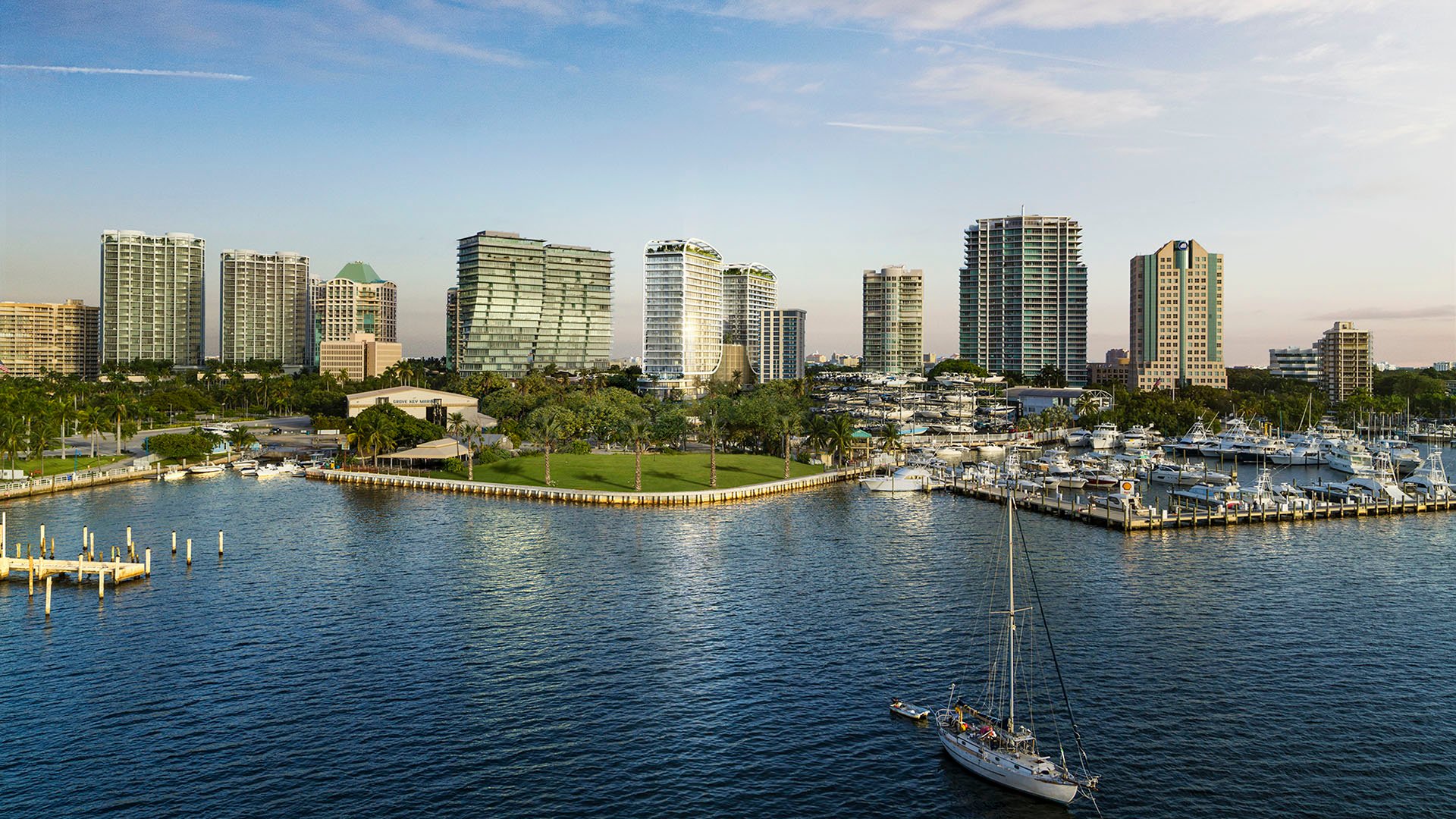
That is why buyers should compare not only the property but also the immediate neighborhood at several times of day. The social temperature of Brickell differs from that of Coconut Grove, Miami Beach, or West Palm Beach, and those distinctions inevitably filter into resident behavior. A serene building in a high-energy district can still absorb the district’s tempo. Likewise, a social property in a quieter enclave may deliver community in a more intimate, less performative way.
For buyers who are uncertain, a temporary lease or trial stay remains one of the most efficient reality checks. A few days of arrivals, departures, elevator rides, amenity use, and neighborhood circulation can clarify fit far more effectively than a beautifully staged afternoon.
When comparing buildings, think in five categories: timing, management, amenity behavior, ownership stability, and neighborhood context. Visit more than once. Ask better questions. Observe what residents do when no one is trying to impress you.
The ideal result is not a universally social building. It is a building with a coherent temperament. Some buyers want quiet professionalism and minimal interaction. Others want an active resident culture with visible programming and shared rituals. The strongest purchase decisions come when the building’s actual social climate matches the owner’s preferred way of living.
In luxury real estate, fit is a form of value. The address may be exceptional, but the atmosphere is what ultimately tells you whether it will feel like home.
What does social temperature mean in a luxury building? It refers to the lived social climate of the property, including resident interaction, amenity use, and the general rhythm of daily life.
When is the best time to tour a building? Visit during morning commute hours, lunch, early evening, and on weekends to see how the building truly operates.
Are busy amenities always a positive sign? Not necessarily. The better signal is whether spaces are consistently used, well maintained, and aligned with the level of privacy you want.
Should I speak with current residents before buying? Yes. Firsthand conversations can reveal details about culture, management, and seasonality that tours often miss.
How can I assess management quality quickly? Email or call with specific questions and evaluate responsiveness, clarity, and follow-through.
Why do HOA minutes and complaint records matter? They can reveal how engaged ownership is and whether recurring issues affect the building’s overall comfort.
Does ownership tenure affect the social atmosphere? Often, yes. Longer-term ownership can support a more stable and cohesive environment.
Can resale patterns hint at social issues? Sometimes. Repeated resales, longer marketing times, or discounting may suggest friction worth investigating.
How much does the surrounding area influence a building’s vibe? Quite a bit. The neighborhood’s pace, walkability, and public life often shape the resident experience inside the building.
Is a trial stay worth it for a serious buyer? If possible, absolutely. A short stay offers a direct reading of the building’s rhythm, privacy, and fit.
To compare the best-fit options with clarity, connect with MILLION Luxury.
If branded residences are on your mind — as a home or as an allocation — we would be glad to share what we are seeing, privately.
Begin a quiet conversation