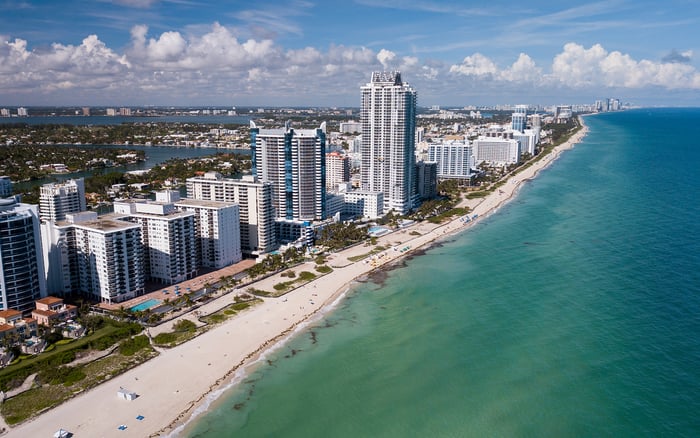
A disciplined pre-closing framework for testing a Miami Beach condominium’s structural findings, reserve assumptions, capital plan and unit-level financial exposure.

An oceanfront condominium purchase in Miami Beach should be evaluated as both a residence and a long-duration capital commitment. The view, floor plan and finish package may create desire, but the building’s structural records and financial discipline determine how confidently a buyer can proceed.
The milestone inspection, Structural Integrity Reserve Study, commonly called a SIRS, and capital-project funding plan answer distinct questions. The milestone inspection evaluates structural condition. The SIRS estimates the timing and cost of qualifying component needs. The budget and financial statements show whether the association is actually funding those needs. A completed study does not prove that repairs are complete, and an impressive cash balance may include funds restricted or committed elsewhere.
This distinction applies across the resale market, whether the residence is at 57 Ocean Miami Beach or another coastal condominium. The central principle is simple: reconcile engineering, reserves and execution rather than viewing any document in isolation.
A completed inspection is not the same as completed repairs.
Florida’s milestone-inspection and SIRS requirements generally apply to condominium and cooperative buildings at least three habitable stories high. Establish the building’s age from its certificate of occupancy, then confirm with the applicable enforcement agency whether it is classified as coastal for milestone timing.
Under the SB 4-D framework, a covered coastal building generally receives its first milestone inspection at 25 years, compared with 30 years for another covered building, followed by inspections every 10 years. Because the law has changed since 2022, Florida condominium counsel should confirm the current deadline, any exception and the local agency’s treatment of the property.
Request every violation notice, enforcement order and item of deadline correspondence. These records can reveal obligations absent from a polished sales package, including inspection deadlines and required repair timelines.
Obtain the complete signed-and-sealed Phase 1 milestone report-not a board synopsis or the seller’s characterization. Verify that the inspector was a Florida-licensed engineer or architect. Record the professional’s license number, inspection scope, stated limitations and conclusion regarding continued safe occupancy.
Read the observations by location and building element. References to concrete deterioration, water intrusion, garages, balconies, façades or pool decks warrant independent technical review. If Phase 1 identified substantial structural deterioration, obtain the Phase 2 report, testing results, repair recommendations, permits, bids, contracts, schedules and evidence of completed work.
When considering a residence such as Setai Residences Miami Beach, the inquiry must remain building-specific. Brand, architecture and service are no substitute for the subject association’s signed engineering record.
A covered residential condominium must complete a SIRS at least every 10 years. Confirm its date, whether an update is underway and whether it was performed or verified by an eligible Florida engineer, architect, certified reserve specialist or professional reserve analyst, as applicable.
The study should address qualifying items such as the roof, structural systems, fireproofing and fire-protection systems, plumbing, electrical systems, waterproofing and exterior painting, windows and exterior doors. For each component, identify three essentials: estimated remaining useful life, replacement or deferred-maintenance cost, and recommended reserve-funding amount.
Stale pricing, unexplained exclusions and optimistic useful-life assumptions can materially distort the outlook. A buyer’s engineer can compare these assumptions with the milestone findings and determine whether the same deterioration appears under different terminology.
Place the SIRS funding schedule beside the latest approved association budget. Confirm whether each required structural reserve receives the recommended annual contribution. Then compare component-level restricted-reserve balances in the latest audited financial statements with the study’s recommended balances. Do not rely on total cash alone.
Review whether owners historically waived or reduced reserves and how the current budget addresses any resulting deficit under the newer nonwaivable SIRS-reserve rules. Trace transfers, commitments and approved uses so that the same dollar is not implicitly assigned to multiple projects.
This is where an investment thesis becomes measurable. A buyer comparing options such as The Perigon Miami Beach should model recurring ownership costs alongside plausible capital calls, without assuming that one building’s reserve position resembles another’s.
Create a single schedule from the milestone report, SIRS, engineering materials and board records. For every anticipated project, record timing, estimated cost, reserve allocation and the remaining funding gap. This turns scattered records into a practical capital map.
For work already planned, reconcile engineering estimates with contractor bids, executed contracts, permits, change-order contingencies and the board-approved funding source. Distinguish preliminary estimates from contracted amounts, and approved repairs from completed work. Request evidence of completion, payment and closeout.
Read at least 12 to 24 months of board, membership and budget-meeting minutes. Look for disputed findings, postponed work, rejected funding proposals, litigation threats and assessment discussions. Confirm that milestone and SIRS documents remain in the official records and that their findings are reflected in owner communications and budgets.
Request at least five years of special-assessment history. Separate assessments merely discussed from those approved, deferred, partly collected or financed through association debt. Then apply the unit’s assessment share to known project shortfalls, association-loan obligations and a reasonable construction contingency.
The result is not a prediction. It is a range illustrating how the unit could participate in identified obligations. For a waterfront acquisition, that range belongs beside the purchase price, carrying costs and renovation budget. It also provides a rational basis for pricing, escrow or contractual allocation.
Review master property, windstorm and flood policies, including deductibles, exclusions and insurer-required repairs. Compare those requirements with the engineering findings and capital schedule. An uncovered condition, substantial deductible or mandated repair can alter the association’s funding needs.
Provide the milestone report, SIRS, financial statements and project plan to the lender early. Unresolved structural findings, inadequate reserves or pending assessments can affect project eligibility, underwriting and the ability to close. A buyer considering The Ritz-Carlton Residences® Miami Beach should not wait until the final financing stage to test the condominium project.
Finally, use the purchase contract and estoppel review to specify who pays existing, approved and pending assessments, including installments due after title transfers. Have Florida condominium counsel address ambiguous board discussions, association debt and post-closing installments rather than relying on informal assurances.
Before releasing contingencies, require a coherent chain from condition to cost to funding. The signed milestone record should identify structural status, the SIRS should quantify qualifying needs, and the budget should demonstrate the contribution path. Contracts, permits and minutes should show how major projects will progress from approval to completion.
Missing reports, stale estimates, recurring delays, unexplained discrepancies or resistance to document production are material warnings. The decisive question is not whether an older building requires work. It is whether the association identifies that work candidly, prices it credibly and funds it with discipline.
For discreet guidance on evaluating a Miami Beach condominium purchase, connect with MILLION.
If branded residences are on your mind — as a home or as an allocation — we would be glad to share what we are seeing, privately.
Begin a quiet conversationThe milestone inspection evaluates structural condition, while the SIRS estimates qualifying component needs, costs, useful lives and reserve funding.
The requirements generally apply to condominium and cooperative buildings that are at least three habitable stories high.
Under the SB 4-D framework, a covered coastal building generally reaches its first milestone inspection at 25 years, followed by 10-year intervals.
No. Buyers should obtain the complete signed-and-sealed Phase 1 report and verify the inspector’s Florida license and scope.
Request the Phase 2 report, test results, recommendations, permits, bids, contracts, schedules and proof of completed work.
A covered residential condominium must complete a SIRS at least every 10 years, subject to current statutory requirements.
Total cash may be restricted or committed. Buyers should compare component-level reserve balances with SIRS recommendations and planned uses.
Review 12 to 24 months of meeting minutes and request at least five years of special-assessment history.
Apply the unit’s assessment share to known project gaps, association debt obligations and a reasonable construction contingency.
Unresolved findings, inadequate reserves and pending assessments can affect project eligibility, underwriting and the buyer’s ability to close.