A disciplined insurance audit can clarify the portion of a tower loss that may ultimately reach an individual owner. Review the association’s master policy, condominium documents, reserves and claims history alongside the complete proposed HO-6 form, then model the unit’s potential share of wind deductibles and interior reconstruction costs before closing.
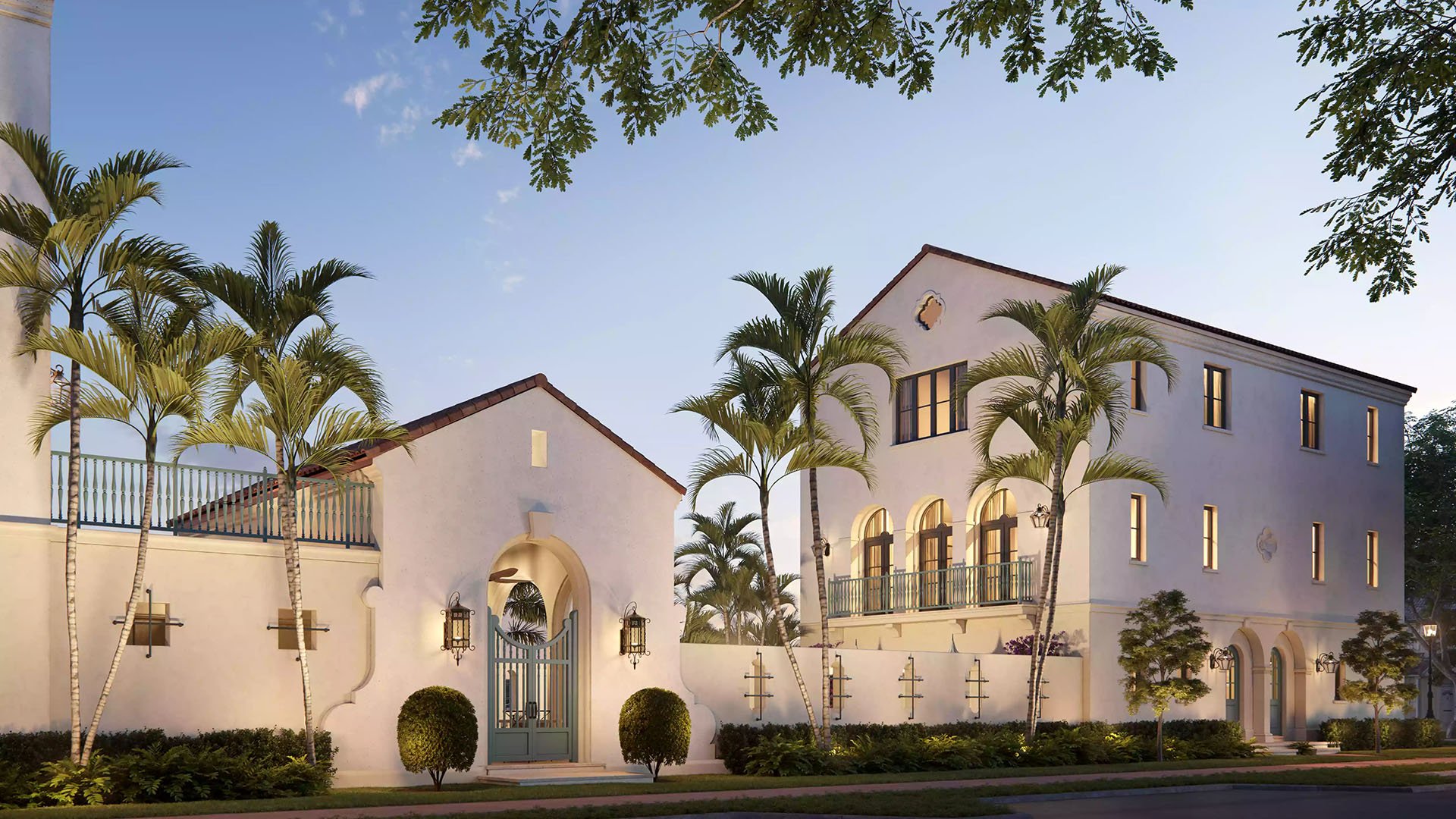
A full-service address can make ownership feel effortless, but the insurance structure behind that experience requires careful review. Before closing in Coral Gables, a buyer should reconcile four issues: what the association insures, what the unit owner must insure, how wind deductibles are calculated under the policy and whether the proposed HO-6 form would respond to a future loss assessment.
This is not an exercise in collecting certificates. A certificate may confirm that coverage exists without presenting the valuation terms, exclusions, sublimits or deductible provisions needed for a complete review. Begin with the master-policy declarations and complete policy form, then compare them with the association declaration, bylaws, current budget, reserve information, claims history and any pending or recently levied assessments.
That discipline applies whether the search includes Cora Merrick Park, an established condominium or another full-service Coral Gables residence. The contract timeline should allow condominium counsel and a licensed insurance adviser enough time to identify and resolve conflicts before closing.
The decisive question is not whether the tower is insured, but where its coverage ends.
Start by identifying which building elements fall within the association’s coverage and which finishes, fixtures, improvements and personal property remain the owner’s responsibility. Do not rely on a verbal summary. Reconcile the governing documents with the master policy and the proposed HO-6 form.
For a luxury residence, interior exclusions can represent a meaningful reconstruction budget. Custom millwork, stone, upgraded flooring, premium appliances and other owner-selected finishes should be reflected in the HO-6 analysis. The proposed limit should be tested against replacement needs rather than the residence’s purchase price or market value.
Create a room-by-room schedule of finishes and improvements, supported where available by contracts, invoices or a qualified replacement estimate. That approach is especially useful when evaluating design-led residences such as Ponce Park Coral Gables. Project branding and service level do not determine the insurance boundary; the governing documents and policy language do.
Windows and exterior doors warrant a separate written determination. Establish who insures each assembly, who maintains it and how the policies are intended to respond when one event affects both an exterior component and interior finishes.
Record each wind-related deductible, trigger and calculation basis directly from the master-policy declarations and endorsements. Convert any percentage-based deductible into a dollar amount using the insured value specified by the policy, then apply the residence’s common-expense allocation as stated in the condominium documents.
Do not assume the deductible is divided equally by the number of residences. The governing documents may assign different allocations to different units. Use the allocation attached to the specific residence being acquired and have counsel confirm how the relevant documents treat deductible expenses.
The master policy and an owner assessment are separate parts of the analysis. Review how the association could address a deductible, uncovered damage or a policy shortfall, and determine whether available reserves are designated or available for the relevant purpose. Obtain a written schedule of property limits, valuation provisions, sublimits, exclusions and every applicable deductible.
The owner’s HO-6 deductible should be reviewed separately from the association’s master-policy deductible. Evaluate that exposure alongside the dwelling-property limit, personal-property limit, additional living expense terms, exclusions and endorsements.
Loss-assessment coverage requires its own review. Ask whether the proposed form may respond to the owner’s share of an assessment arising from covered property damage and whether a separate restriction applies when an assessment is used to fund the association’s deductible. The answer must come from the complete policy form and applicable endorsements, not from the headline coverage limit alone.
Request a specimen policy and every relevant endorsement before binding. Ask the licensed insurance adviser to explain in writing the maximum potential payment for a deductible-related assessment after a wind event and to identify the conditions, exclusions and sublimits that could affect recovery.
An assessment does not become insured merely because the association uses that label. Maintenance expenses, budget shortfalls and damage tied to an excluded cause require separate analysis under the actual policy wording.
First, calculate the residence’s potential share of each master-policy wind deductible. Second, model a loss that exceeds a policy limit or falls within a sublimit or exclusion. Third, estimate the cost of reconstructing the residence’s upgraded interior after applying the owner’s HO-6 deductible.
Test each scenario against the association’s available reserves and the proposed loss-assessment coverage. For buyers comparing tower living with lower-density options such as The Village at Coral Gables, the same document-first principle applies: insurance obligations follow the governing documents and policies rather than assumptions about building scale.
This process can also sharpen investment underwriting. A potential assessment, an uninsured interior loss or an extended repair period belongs in the carrying-cost analysis even when the residence otherwise meets the buyer’s criteria.
In a resale closing, examine prior claims, recently levied assessments and unresolved damage alongside the current policy. Determine whether the seller has paid any existing assessment and whether the association is considering another charge.
For new construction, request the operative condominium documents and insurance materials available for the closing review. Confirm which policies and endorsements are expected to be in force at closing rather than relying on a marketing summary.
The same caution applies to waterfront positioning. Proximity to water may shape the view and lifestyle, but the policy documents must establish the relevant covered causes of loss, exclusions and deductibles.
The final file should contain the complete master policy, declarations, endorsements, governing documents, budget, reserve information, claims record, assessment details, unit allocation percentage, interior replacement schedule and proposed HO-6 form. Add a one-page exposure table listing each deductible, the residence’s potential share, reserve assumptions and available loss-assessment coverage.
No single document answers every question. Condominium counsel should interpret legal responsibility, while a licensed insurance adviser should explain policy response and endorsements. When the two reviews align, the buyer can treat insurance as a defined part of the ownership analysis rather than an unexamined post-closing risk.
For discreet guidance on evaluating South Florida luxury residences, connect with MILLION.
If branded residences are on your mind — as a home or as an allocation — we would be glad to share what we are seeing, privately.
Begin a quiet conversationRequest the complete master policy, declarations, endorsements, governing documents, budget, reserve information, claims history and details of pending or recent assessments.
A certificate may not present the valuation terms, exclusions, sublimits, endorsements and deductible provisions needed to evaluate the buyer’s exposure.
Compare the association’s policy and endorsements with the declaration, bylaws and proposed HO-6 form. Any conflict or ambiguity should be reviewed before closing.
Prepare a room-by-room replacement schedule for finishes, fixtures and improvements, using contracts, invoices or a qualified estimate when available.
Convert the policy deductible into a dollar amount and apply the residence’s common-expense allocation from the condominium documents.
The governing documents may assign different common-expense allocations to different residences, making an equal division unreliable.
The master policy and an owner assessment require separate analysis. The governing documents, assessment purpose and owner’s policy terms determine the potential exposure and response.
Review the covered causes of loss, limits, deductibles, exclusions and any separate restriction for an assessment used to fund the association’s deductible.
Obtain a written determination of who insures and maintains each component, then compare that responsibility with both policy forms.
Model the unit’s share of master-policy deductibles, a loss affected by limits or exclusions and the cost of reconstructing upgraded interiors under the HO-6.