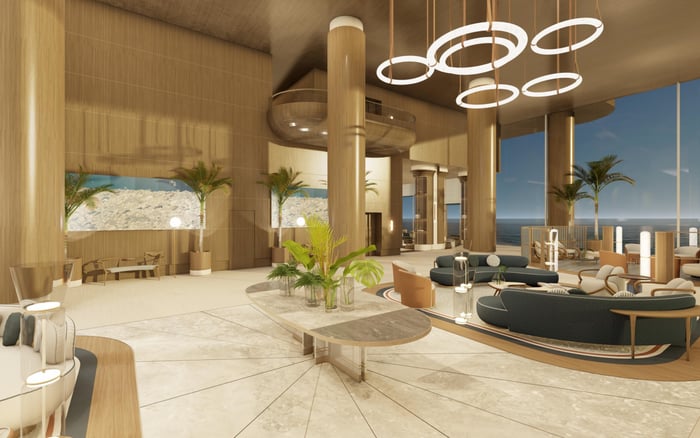
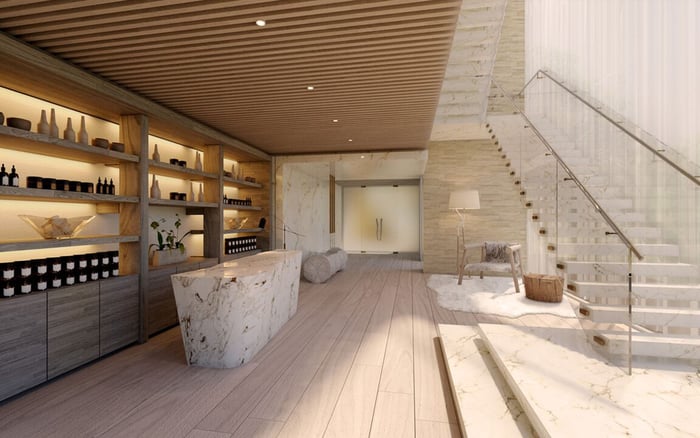
For frequent travelers, Sunny Isles Beach offers an oceanfront residential base connected to the wider Miami and Fort Lauderdale region. St. Regis® Residences emphasizes branded service and identity, while Turnberry Ocean Club favors a private-club sensibility. Both are designed around residential ownership rather than the transient rhythm of a conventional resort hotel.
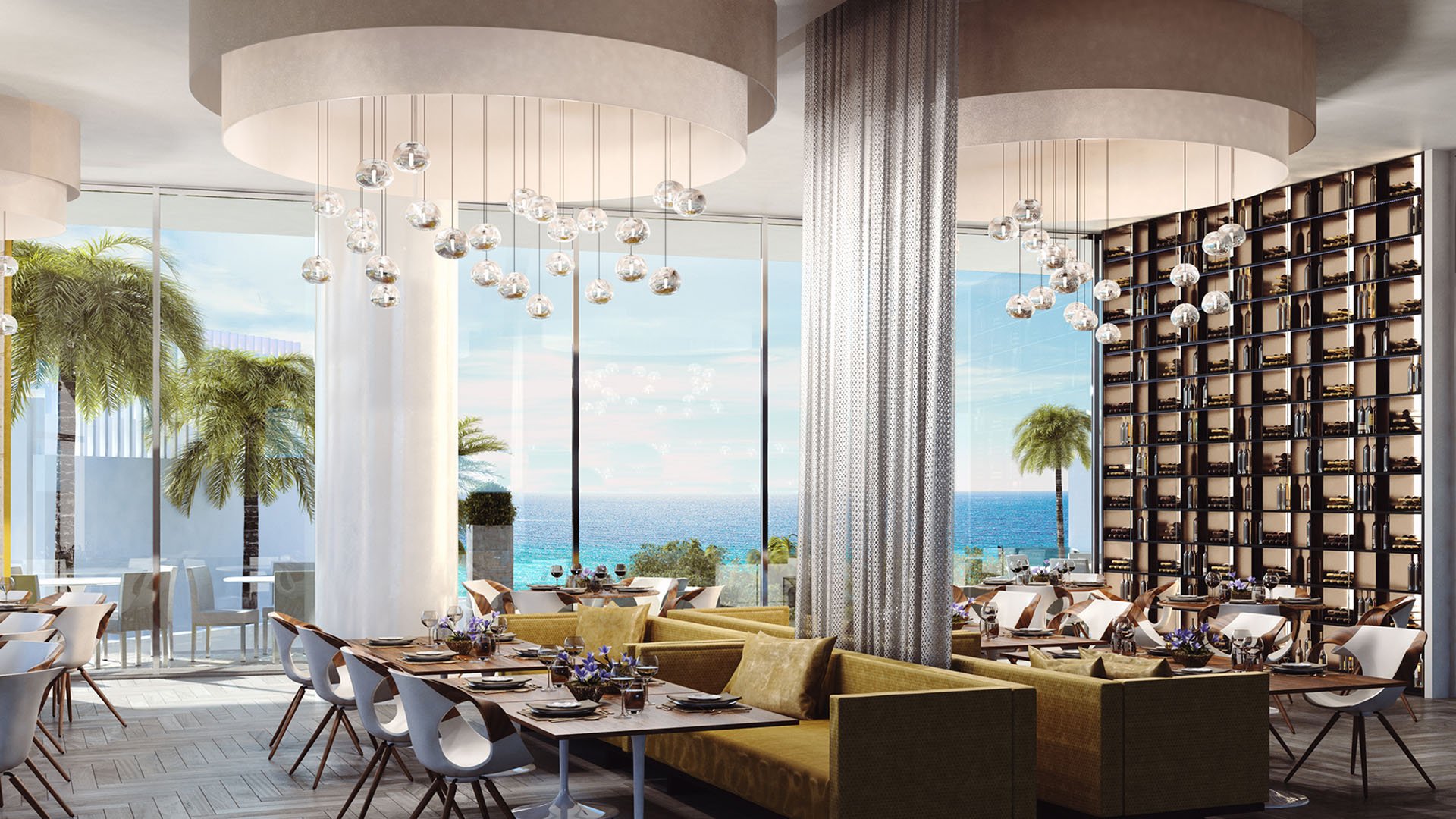
For internationally mobile owners, the most useful South Florida address is not always the one nearest a single airport. Often, it is the one that provides practical access to the wider region while preserving the calm, privacy, and continuity of a true home.
Sunny Isles Beach occupies that compelling middle ground. Its oceanfront setting connects residents to both the Miami and Fort Lauderdale metropolitan areas, including their broader aviation infrastructure. Because conditions vary by route and traffic, buyers should assess airport access qualitatively rather than rely on fixed drive-time promises.
Within this setting, St. Regis® Residences Sunny Isles and Turnberry Ocean Club Sunny Isles answer a nuanced brief: extensive services and amenities without ownership organized around a conventional resort hotel. The distinction matters to end users, long-stay occupants, and second-home buyers who want arrivals and departures to feel private rather than transient.
St. Regis® Residences Sunny Isles combines a globally recognized hospitality identity with private oceanfront residences. Its central appeal extends beyond name recognition to professionally managed service, substantial amenities, architectural prestige, ocean views, and a consistent residential environment.
For frequent travelers, that model can create a reassuring sense of continuity. Owners gain the polish associated with branded residences while retaining a home base conceived as residential rather than as an extension of a conventional resort hotel. The service proposition delivers hospitality-level attention without making daily life revolve around a hotel check-in atmosphere.
This is likely the more natural fit for a buyer who considers brand identity part of a property’s value. It also suits those who want privacy without relinquishing an extensive service structure during longer stays or between trips.
Turnberry Ocean Club approaches luxury through a different lens. The project emphasizes club life, curated amenities, resident services, ocean views, and beachfront access. Its positioning is closer to a private-estate atmosphere supported by condominium services than to a full-service resort hotel.
That private-club orientation can appeal to owners who value a strong sense of belonging and a residential cadence. Rather than foreground the identity of an international hospitality brand, Turnberry places greater emphasis on club-style living and the experience of returning to a familiar oceanfront address.
For end users and second-home owners, the benefit is conceptual clarity: the residence is the destination, not an adjunct to a tourist operation. Amenities remain central, but the ownership experience is designed to avoid the turnover commonly associated with resort hotels.
The choice is less about which building has the longer amenity inventory than which service culture feels right. St. Regis® foregrounds branded service, recognizable identity, and managed refinement. Turnberry Ocean Club foregrounds private-club life, curated resident experiences, and an estate-like atmosphere.
A buyer who values the assurance and symbolism of an established hospitality name may gravitate toward St. Regis®. One who prefers the social and experiential language of a private club may find Turnberry more intuitive. Both preserve the essential Sunny Isles proposition: oceanfront living with access to the broader Miami and Fort Lauderdale region, without requiring a hotel-integrated ownership model.
The wider local comparison set can help sharpen that preference. Bentley Residences Sunny Isles presents another branded name for buyers exploring identity-led ownership, while The Ritz-Carlton Residences® Sunny Isles belongs in conversations centered on recognized residential hospitality. Those comparisons should not obscure the core question: whether the owner wants brand-led service or club-led privacy.
Airport-conscious buyers should test each residence against their actual routines. The relevant questions include which airport or aviation facility they use most often, when they typically travel, how sensitive they are to variable traffic, and whether household staff or property management will support arrivals and absences.
They should also study the lived experience of the common areas. A residentially positioned property can still provide sophisticated services, but the tone of arrival, visitor management, amenity access, and resident interaction may differ materially from that of a hotel. Buyers should determine whether that tone feels discreet and familiar over an extended stay.
Finally, service expectations should align with ownership habits. A globally mobile owner may prioritize reliable management and a recognizable standard. A full-time resident may place greater emphasis on club culture and everyday privacy. Neither priority is inherently superior; each points toward a different expression of luxury.
For buyers seeking airport access without a resort feel, both properties make a persuasive case. St. Regis® offers branded refinement within a private residential concept. Turnberry Ocean Club delivers a club-centered, estate-like experience supported by condominium services and beachfront living.
The strongest decision begins with identifying which quality should be most apparent upon returning home. If it is globally recognized service and identity, St. Regis® has the clearer narrative. If it is private-club belonging and a quieter residential sensibility, Turnberry Ocean Club may feel more aligned.
Are either of these properties conventional resort hotels? Both are positioned as residential developments rather than conventional resort-hotel ownership experiences.
Which property places more emphasis on a hospitality brand? St. Regis® foregrounds globally recognized brand identity and professionally managed service.
Which property is more focused on private-club living? Turnberry Ocean Club emphasizes club life, curated amenities, resident services, and a private-estate atmosphere.
Do both properties offer an oceanfront lifestyle? Yes. Both are oceanfront residential options in Sunny Isles Beach, with ocean views central to their appeal.
Are fixed airport travel times reliable? No fixed time should be assumed, as routes and traffic can materially affect each trip.
Why does Sunny Isles appeal to frequent travelers? It provides a residential beachfront base with access to the broader Miami and Fort Lauderdale region and its aviation infrastructure.
Which option may suit a long-stay owner? Either may work; the choice depends on whether the owner prefers branded service or private-club culture.
Can buyers receive extensive amenities without a resort atmosphere? Yes. Both properties pair amenities and services with a residential orientation intended to reduce hotel-style transience.
What should second-home buyers prioritize during a visit? They should assess arrival tone, privacy, visitor management, service consistency, and how the property feels during an extended stay.
What is the simplest way to compare the two? View St. Regis® through the lens of branded residential service and Turnberry Ocean Club through the lens of private-club living.
For a discreet conversation and a curated building-by-building shortlist, connect with MILLION.
If branded residences are on your mind — as a home or as an allocation — we would be glad to share what we are seeing, privately.
Begin a quiet conversation