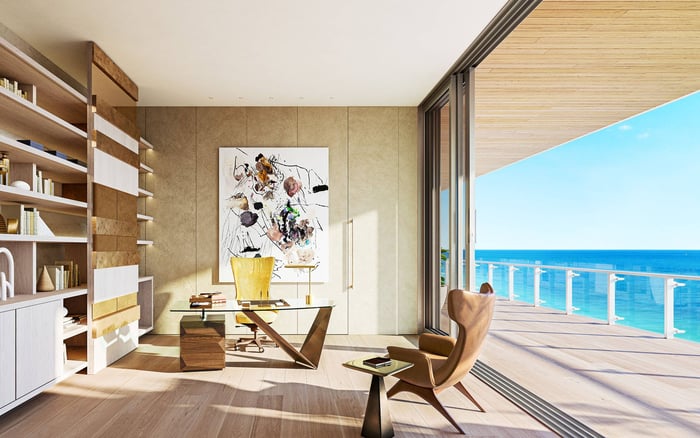
A busy social-season visit can reveal what a daytime showing cannot: how rental rules, nighttime sound, and guest activity align with an owner’s lifestyle and a future buyer’s expectations.

A South Florida residence can feel perfectly placed on the way to a gala and quite different on the return home. The distinction is not simply between lively and quiet neighborhoods. It is between enjoying access to the evening and retaining control over the atmosphere inside your own residence.
For a luxury buyer, a busy social-season visit offers a chance to test that distinction. Rental flexibility, nighttime sound, and resale appeal belong in the same conversation: each affects how comfortably a home accommodates its owner’s intended use.
This is a practical buying lens, not evidence that charity galas themselves change property values or purchase decisions. The objective is to inspect a neighborhood when it is active and understand what remains after the evening’s glamour recedes.
Noise deserves a more precise vocabulary than “urban atmosphere.” Passing conversation, outdoor music, and persistent low-frequency bass are different experiences. Listen for each rather than assuming a beautiful view will make sound less important.
When considering a residence at Aston Martin Residences Downtown Miami, inspect the specific unit rather than drawing conclusions from the wider neighborhood. Listen in the bedrooms, living room, and outdoor space at the hours you would actually use them.
Ask which direction the residence faces and what lies beyond that exposure. Interior or ocean-facing orientations and setbacks from entertainment corridors are worth comparing, but none can substitute for listening inside the actual home.
Outdoor living should be evaluated as living space, not merely photographed as an amenity. In Miami Beach, include nearby entertainment and hotel outdoor areas in your nighttime assessment. The question is not just whether a terrace is generous, but whether you would want to remain there through the evening.
For buyers considering Setai Residences Miami Beach, the same principle applies without implying any particular sound condition: inspect the specific residence and its outdoor exposure, not an imagined version of beachfront living.
Schedule a daytime visit and a nighttime return during a busy period. Compare conditions with doors open and closed, and listen without conversation masking the surroundings. Ask whether the activity you hear is recurring or exceptional. One unusually quiet showing should not define the purchase; neither should one exceptional gathering be mistaken for everyday life.
The prospect of leasing a residence while away can feel especially compelling during a busy social calendar. Yet neighborhood rental demand does not establish an owner’s right to accept tenants. Review the declaration, bylaws, and building rules for rental restrictions before income assumptions enter the buying decision.
Ask for the current provisions governing minimum lease terms, leasing frequency, approvals, and guest use. These are matters to verify, not terms to assume. A buyer comparing ORA by Casa Tua Brickell with other residences should apply the same documentary standard rather than infer permission from branding or location.
Keep association permission separate from legal permission. Ask the relevant authorities and qualified counsel which zoning, county Certificate of Use, and state licensing requirements, if any, apply to the intended use. Treat this as a checklist to confirm, not a universal statement of what every South Florida property requires.
Rental flexibility also calls for an operational discussion. Leasing permission and an owner’s preferred residential atmosphere are separate questions. Ask management how guest arrivals, disturbances, and rule enforcement are handled. Request available information about recurring complaints rather than relying solely on assurances that the building is quiet.
In Fort Lauderdale, a buyer considering Four Seasons Hotel & Private Residences Fort Lauderdale should likewise distinguish the residence’s governing documents from any applicable vacation-rental requirements. Where relevant, ask authorities to confirm whether registration, responsible-party, noise-monitoring, or inspection obligations apply. A hospitality-associated name alone should settle neither rental permission nor expectations for the guest experience.
No single rental policy is ideal for every future purchaser. An investor may value leasing flexibility, while a full-time resident may place greater weight on limited turnover and predictable evenings. A seasonal owner may want some income potential without accepting a highly transient atmosphere.
Nightlife proximity creates a similar trade-off. Easy access to entertainment may appeal to one buyer while noise exposure deters another. The sensible resale question is not whether activity is inherently good or bad, but which buyers the residence is likely to suit.
Do not turn that distinction into an assumed price premium or discount. This article does not establish a quantified resale penalty for noise or a guaranteed resale advantage from unrestricted rentals. Claims of stronger demand or faster sales require more than a persuasive marketing narrative. For an individual purchase, seek relevant comparable sales and keep documented permissions distinct from projections.
Before making an offer, write down the experience you expect after an evening out. Does the bedroom need to feel removed from the neighborhood? Is a quiet terrace essential? Would frequent guest arrivals diminish your enjoyment, or does leasing flexibility matter more?
Then test the shortlist against those answers through busy-period visits, document review, and direct questions to management. A residence need not be detached from South Florida’s social life to feel private. It must provide the balance you actually want, under rules you understand and conditions you have examined.
Explore South Florida residences with MILLION to refine a shortlist around your lifestyle and ownership priorities.
If branded residences are on your mind — as a home or as an allocation — we would be glad to share what we are seeing, privately.
Begin a quiet conversationThis article does not establish that charity galas change property values. Busy social-season visits are useful opportunities to assess livability and ownership trade-offs.
A daytime showing may not reveal entertainment noise or evening activity. A nighttime visit during a busy period helps test the home against your actual routine.
Review the current declaration, bylaws, and building rules for rental restrictions. Confirm the applicable provisions before assuming the residence can generate rental income.
Do not treat association approval as confirmation of legal compliance. Check applicable zoning, licensing, and other jurisdiction-specific requirements separately with authorities and qualified counsel.
Listen for low-frequency bass as well as outdoor music and passing conversation. Evaluate the actual bedrooms and living spaces rather than judging from the lobby.
No. Orientation and setbacks are useful comparison points, but they do not replace a nighttime inspection of the specific home.
Outdoor entertainment can affect balcony enjoyment even when the interior feels comfortable. Evaluate the terrace at the hours you expect to use it.
Do not rely on one quiet showing. Return during a busy period and ask whether the activity you observe is recurring or exceptional.
This article establishes no such guarantee. Rental flexibility may appeal to investors while turnover may deter some resident buyers.
Ask how guest arrivals, disturbances, and rule enforcement are handled. Request available information about recurring complaints to supplement your own visits.