A culinary-forward look at how festival-season expectations can influence luxury-home priorities in Fort Lauderdale, from entertaining layouts to terraces, service flow, and waterfront ease.
South Beach Wine & Food Festival is more than a culinary moment. For luxury-home buyers, it is a reminder that South Florida living is often shaped by taste, hosting, mobility, and the quiet choreography of memorable evenings. A dinner can begin with a calm water view, move through a chef-ready kitchen, extend onto a terrace, and end with guests lingering long after the final course. That sequence offers a useful lens for Fort Lauderdale.
The Fort Lauderdale buyer is not necessarily trying to recreate a festival at home. The priority is subtler: a residence that can shift between privacy and performance without feeling overdesigned. A home should be comfortable on a weekday morning and composed during a catered dinner. It should welcome conversation while protecting the owner’s retreat. It should support service without turning the residence into a venue.
That is where culinary culture can shape real estate decisions. It encourages buyers to look beyond finishes and ask how a property actually lives. Where do guests arrive? Where does staff stage? Can the kitchen be open and elegant while still practical? Is there a place for wine storage, glassware, florals, and late-night coffee service? These are not decorative questions. In the luxury tier, they are lifestyle infrastructure.
For buyers attuned to South Florida’s dining calendar, the kitchen is no longer simply a statement room. It is a social engine. The most compelling layouts allow a host to stay connected to guests while keeping prep, cleanup, and storage discreet. Islands should feel generous, not obstructive. Back-of-house circulation matters. So does the relationship between kitchen, dining area, and outdoor living.
A well-planned residence lets a seated dinner, a cocktail evening, and a family breakfast occur within the same footprint, each with a different level of formality. In that sense, entertaining is less about size than sequence. A grand room without service logic can feel exposed. A slightly smaller residence with proper flow can feel remarkably gracious.
This is why Fort Lauderdale’s best residential searches increasingly weigh the entire arrival-to-dessert experience. A buyer considering Four Seasons Hotel & Private Residences Fort Lauderdale may be drawn not only to the name, but to the broader idea of residential hospitality: the ability to live privately while accessing a polished standard of care. The same thinking applies across the city’s upper end, where buyers are comparing more than views. They are comparing rhythms.
Fort Lauderdale has a particular advantage in the culinary-entertaining conversation: it can feel social without sacrificing residential calm. Broward buyers often value proximity, water, and ease, but they also want a sense of retreat. The ideal home does not demand constant performance. It offers the option of hosting beautifully, then closing the door to a quieter private life.
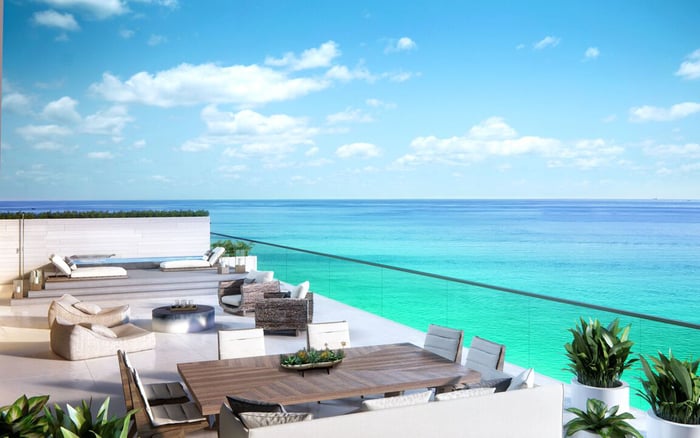
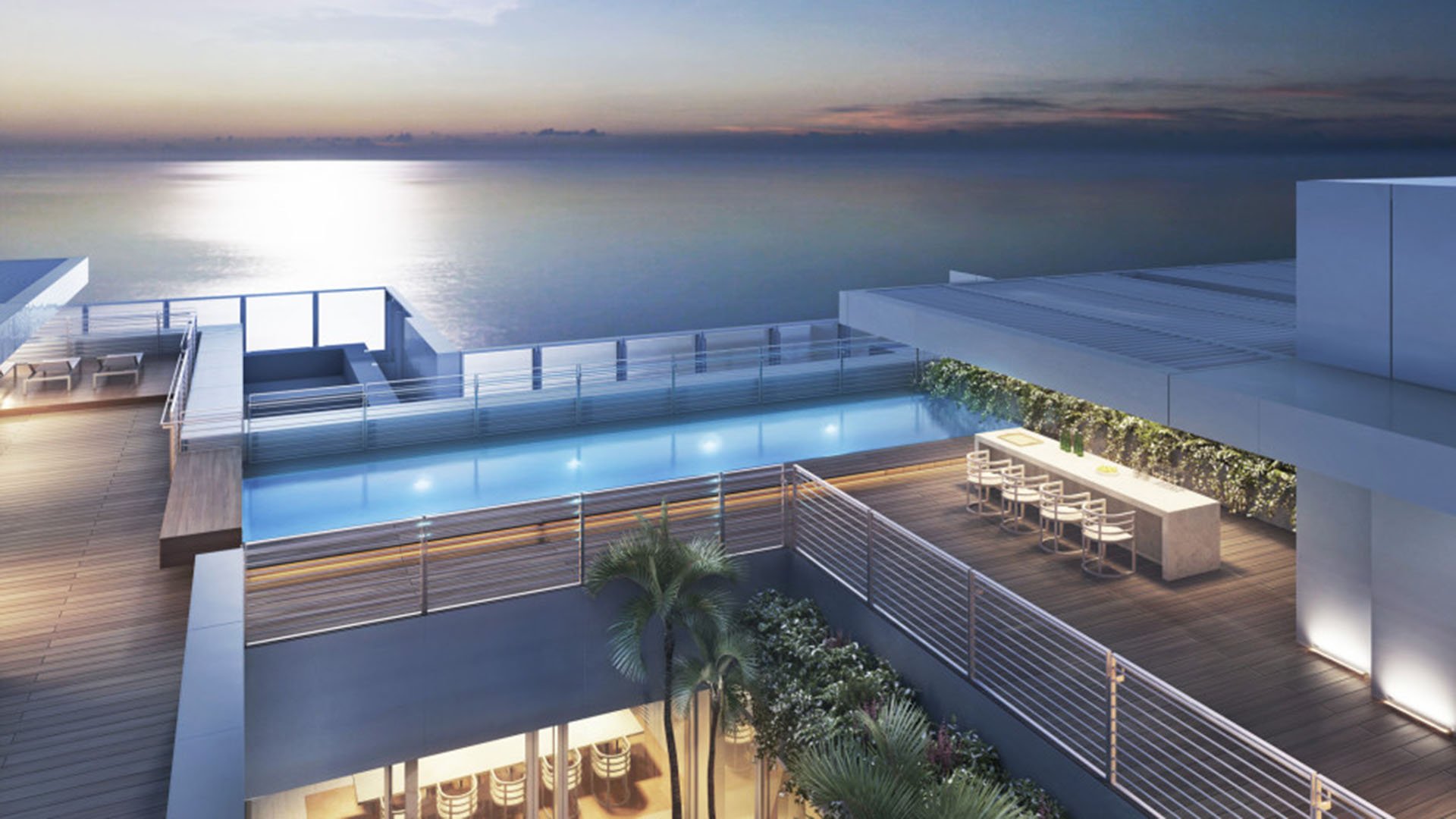
Oceanfront residences add another layer. The view becomes part of the table setting, but it also raises practical questions. How does wind affect outdoor dining? Is the terrace deep enough for a proper table, lounge seating, and circulation? Can the indoor dining area remain compelling when weather keeps guests inside? A dramatic backdrop is valuable, but the best homes translate that drama into usability.
Waterfront and marina-adjacent lifestyles bring a different kind of hospitality. Guests may arrive by car, on foot, or from a day on the water. Owners may want an effortless transition from boating to dinner, with storage for casual gear kept away from formal entertaining zones. A residence that handles this shift gracefully will feel more luxurious than one that depends on spectacle alone.
That is the appeal of considering projects such as St. Regis® Residences Bahia Mar Fort Lauderdale within a broader lifestyle evaluation. The question is not simply whether a residence is impressive. The question is whether it supports the owner’s preferred version of South Florida life: polished, flexible, and never forced.
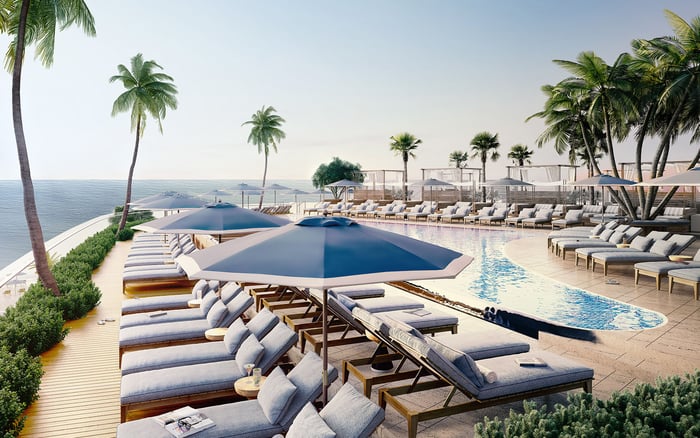
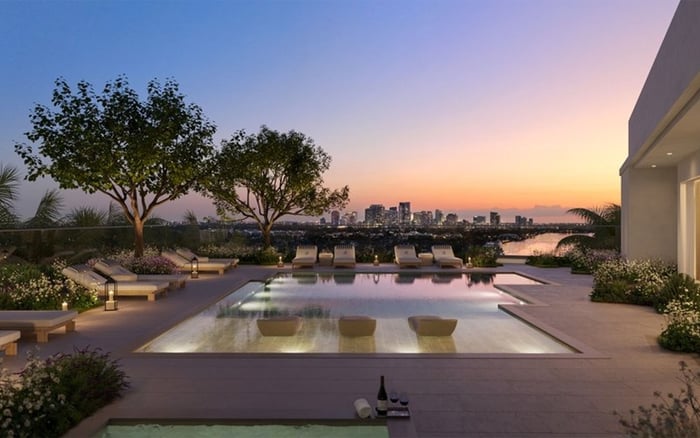
Culinary influence also changes how buyers evaluate amenities. A pool is not only for daytime leisure. It can shape the mood of an evening. A lounge can be a continuation of the residence rather than an escape from it. Wellness spaces matter because a full social calendar requires recovery. Valet, lobby experience, and elevator privacy all affect how a night begins and ends.
The most discerning buyers separate amenity count from amenity relevance. More is not always better. A residence with a restrained but well-executed amenity program may feel more elevated than one with an exhaustive checklist. The right question is whether the amenities reduce friction. Do they make hosting easier? Do they give guests a graceful first impression? Do they preserve privacy when the building is active?
This is where Fort Lauderdale’s range becomes useful. A buyer may compare the waterfront poise of Riva Residenze Fort Lauderdale with the more urban rhythm of Sixth & Rio Fort Lauderdale, not as identical choices, but as different answers to the same lifestyle question. One buyer may prioritize a calmer waterfront cadence. Another may prefer walkable energy and a more compact entertaining pattern.
The view often wins the first showing. It should not win the entire decision. Buyers shaped by South Florida’s culinary culture should test the residence like a host. Stand where guests would enter. Imagine coats, bags, flowers, and catering equipment. Open the refrigerator and pantry in your mind. Ask where cases of wine would go. Consider where staff would stand without hovering.
Then move outside. A terrace should be judged by depth, not just presence. A narrow balcony may photograph well, but it may not host well. Outdoor cooking, if desired, should feel integrated rather than improvised. Seating should allow conversation without blocking doors. Lighting should flatter the space at night, not simply illuminate it.
Finally, consider sound and separation. The best entertaining homes allow different experiences to happen at once: conversation near the dining table, quiet on the terrace, children or guests elsewhere, and a private primary suite that remains protected. Luxury is not only what is visible. It is the absence of inconvenience.
South Beach Wine & Food Festival can sharpen the buyer’s eye because it celebrates something luxury real estate also depends on: preparation that appears effortless. The most memorable homes are rarely the loudest. They are the ones where every transition feels considered. Arrival is calm. Service is discreet. The kitchen is beautiful but functional. Outdoor space feels like a room, not an afterthought.
For Fort Lauderdale, this suggests a refined hierarchy of priorities. Start with privacy and flow. Add culinary capacity. Study outdoor usability. Weigh hospitality services, but only if they support the way you actually live. Then decide whether the residence can handle both the intimate dinner and the larger seasonal gathering with equal grace.
In the end, the festival’s influence is not about excess. It is about discernment. It reminds buyers that a luxury home should not merely be admired. It should host, restore, and adapt, with enough elegance to make every evening feel intentional.
How can a food festival influence a Fort Lauderdale home search? It can shift attention toward kitchens, terraces, service flow, and the ability to entertain without sacrificing privacy.
Is a larger residence always better for hosting? Not necessarily. Flow, storage, circulation, and indoor-outdoor connection often matter more than sheer size.
What should buyers look for in a luxury kitchen? Look for generous prep space, discreet storage, easy access to dining areas, and a layout that keeps the host connected.
Why does terrace depth matter? A deeper terrace can support real dining, lounge seating, and movement, while a narrow outdoor area may be mostly decorative.
Are branded residences useful for hospitality-minded buyers? They can be, especially when the service culture aligns with the owner’s desire for privacy, polish, and ease.
How important is elevator or arrival privacy? It is highly important for buyers who host often, because arrival sets the tone before guests enter the residence.
Should waterfront buyers prioritize the view first? The view matters, but buyers should also test wind, shade, furniture placement, and how outdoor space functions at night.
Can a condo feel as private as a single-family home? It can when the building offers thoughtful access, sound separation, discreet service, and well-planned residential circulation.
What is the biggest entertaining mistake buyers make? They focus on dramatic finishes before confirming where guests, staff, food, glassware, and cleanup will actually go.
How should seasonal hosts compare Fort Lauderdale properties? Compare each residence by the full guest experience: arrival, dining, outdoor comfort, privacy, and the ease of ending the evening.
For a tailored shortlist and next-step guidance, connect with MILLION.
If branded residences are on your mind — as a home or as an allocation — we would be glad to share what we are seeing, privately.
Begin a quiet conversation