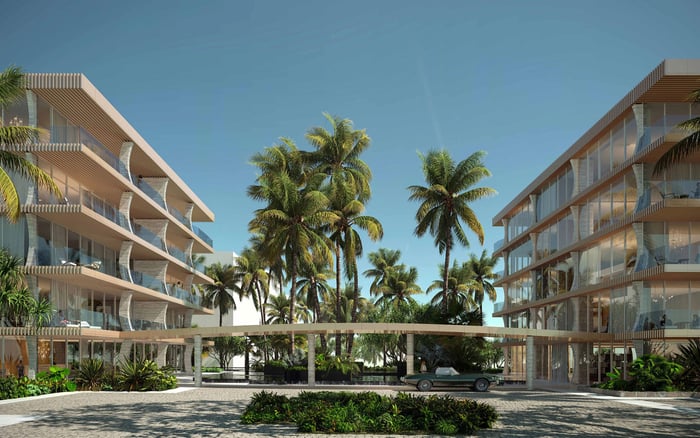
Florida’s structural-inspection and reserve framework has made Palm Beach condo due diligence more nuanced, shifting attention from headline monthly fees to SIRS findings, milestone timing, reserve discipline, and the lifestyle impact of inspections or repairs.

In Palm Beach, the conversation around condominium ownership has become more sophisticated. Views, service, floor height, parking, and discretion still matter, but they now sit beside Structural Integrity Reserve Studies, commonly called SIRS, milestone inspections, reserve adequacy, and pending repair obligations. For a luxury buyer, these are not merely technical terms. They can influence monthly carrying costs, ownership predictability, access to private spaces, construction disruption, and the day-to-day rhythm of a building.
Florida’s 2022 SB 4-D created significant condominium and cooperative reforms for multifamily residential buildings, including milestone inspection requirements and structural reserve obligations. The practical effect is especially relevant along the coast, where older buildings, salt air, waterproofing, balconies, windows, structural members, and life-safety systems require careful review. In Palm Beach and nearby West Palm Beach, the strongest buyers are no longer comparing only asking price and monthly maintenance. They are comparing balance sheets, inspection status, reserve funding, and governance culture.
Across buyer guidance and pricing-trends coverage, this is one of the clearest shifts in the luxury market: the best lifestyle fit is now both architectural and operational. New construction may offer a different planning profile than a long-established building, but every association still deserves building-by-building analysis.
Florida condominium associations must complete SIRS for residential condominium buildings that are three stories or higher. Cooperative associations are also subject to SIRS requirements for residential cooperative buildings that are three stories or higher. A SIRS must be completed at least every 10 years after the building’s creation for each covered building on the property.
The study is not a cosmetic review. It must estimate the remaining useful life and replacement or deferred-maintenance cost of key structural and building-safety components. Required categories include roofs, load-bearing walls or primary structural members, floors, foundations, fireproofing and fire-protection systems, plumbing, electrical systems, waterproofing, exterior painting, windows, exterior doors, and other qualifying structural items.
For a Palm Beach buyer, this changes how a maintenance figure should be read. A lower monthly charge may look elegant on paper, but if reserves have not kept pace with required structural items, the building may face higher future funding needs. Conversely, a higher current carrying cost may reflect a more disciplined reserve posture, reducing surprise risk and supporting long-term stewardship.
Association annual budgets must include reserve funding for capital expenditures and deferred maintenance, and SIRS findings directly influence the reserve amount for structural items. Unit-owner-controlled condominium associations may not vote to waive or underfund reserves for SIRS-listed items. In under-reserved older buildings, that can push monthly carrying costs higher.
This is not simply a negative. In ultra-premium ownership, predictability is part of value. Reserve funds collected for SIRS items may not be used for other purposes, which limits board flexibility but also creates capital discipline. The result is a clearer separation between structural obligations and discretionary spending.
Buyers considering established Palm Beach addresses alongside newer offerings such as Palm Beach Residences may find that the most important comparison is not old versus new in broad terms. It is whether the building’s reserve plan aligns with its actual physical needs, inspection history, and owner expectations for uninterrupted service.
Milestone inspections apply to condominium and cooperative buildings that are three stories or higher. A covered building generally requires a milestone inspection when it reaches 30 years of age, measured from the certificate-of-occupancy date. Local enforcement agencies may require the inspection at 25 years if local environmental conditions, including proximity to seawater, justify earlier review. After the initial milestone inspection, covered buildings generally must be reinspected every 10 years.
The process begins with a Phase 1 visual inspection by a licensed architect or engineer to determine whether substantial structural deterioration exists. If Phase 1 identifies substantial structural deterioration, Phase 2 may include destructive or nondestructive testing at the inspector’s direction. A Phase 2 report must identify structural distress, describe repair recommendations, and determine whether the building is structurally safe for continued use.
Milestone inspection reports must be submitted to the local enforcement agency and the condominium or cooperative association. In Palm Beach County, milestone compliance is handled through local enforcement channels where applicable. For buyers, that creates a formal paper trail to request during due diligence. The key questions are straightforward: Has the building reached a milestone threshold, has an inspection been completed, were repairs recommended, and how will any obligations be funded?
Luxury owners often think of privacy in terms of elevator entry, staff discretion, terrace exposure, or the distance between neighboring residences. SIRS and milestone inspections introduce a different privacy dimension: professional access. The visual-inspection portion of a SIRS must be performed or verified by a licensed engineer or architect, and inspections can require access to building areas owners may consider private or disruptive.
The lifestyle impact can also arrive indirectly. Phase 2 testing, repair recommendations, waterproofing work, balcony closures, exterior access, parking changes, staging areas, noise, and board communications can alter how a residence feels for a season. In a building where ownership is driven by winter use, guest hosting, club proximity, or a lock-and-leave calendar, timing matters.
This is where buyer fit becomes personal. Some owners prefer the character, scale, and established social fabric of an older building and are comfortable with a clear capital plan. Others prefer the planning horizon associated with newer luxury inventory in West Palm Beach, including options such as Forté on Flagler West Palm Beach and South Flagler House West Palm Beach, while still reviewing budgets, reserves, governance, and future maintenance obligations with care.
Two residences can feel similar during a showing and carry very different ownership profiles. The same view corridor, the same beach access, similar square footage, and comparable finishes do not mean comparable risk. The difference may sit in the SIRS, milestone status, reserve schedule, prior board decisions, or the scope of known repairs.
A polished lobby does not answer whether roof, waterproofing, exterior doors, windows, plumbing, electrical systems, fire-protection systems, and primary structural components have been properly evaluated and funded. A low monthly charge does not necessarily mean efficient management. A higher charge does not necessarily mean waste. The intelligent read is whether the assessment of useful life and deferred-maintenance cost has been translated into a budget owners can sustain.
For buyers also looking north toward projects such as The Ritz-Carlton Residences® Palm Beach Gardens, the same principle applies: the ownership experience is shaped by the building’s physical plan, reserve philosophy, and governance mechanics as much as by interior design.
Before contract deadlines harden, buyers should request the current budget, reserve schedule, SIRS, milestone inspection status, notices of pending work, board minutes related to structural items, insurance context, and any approved or contemplated special assessments. If an inspection has moved into Phase 2, the report’s repair recommendations and safety determination deserve careful review by qualified advisers.
The point is not to avoid every building with a repair plan. In coastal Florida, serious ownership often involves serious maintenance. The better question is whether the plan is transparent, professionally supported, funded with discipline, and compatible with the buyer’s lifestyle calendar. For a seasonal owner, the disruption window may matter as much as the invoice. For a full-time resident, noise, access, and construction staging may weigh more heavily.
In Palm Beach, this is the new definition of quiet luxury: not just beautiful space, but fewer surprises.
What is a SIRS? A Structural Integrity Reserve Study estimates remaining useful life and replacement or deferred-maintenance costs for key structural and safety components.
Which buildings are subject to SIRS requirements? Florida condominium and cooperative residential buildings that are three stories or higher are subject to SIRS requirements.
How often must a SIRS be completed? A SIRS must be completed at least every 10 years after the building’s creation for each covered building on the property.
What is a milestone inspection? It is a structural inspection process for covered condominium and cooperative buildings, beginning with a Phase 1 visual inspection by a licensed architect or engineer.
When is a milestone inspection required? A covered building generally requires one at 30 years of age, with possible earlier review at 25 years when local environmental conditions justify it.
Can milestone inspections affect privacy? Yes. Professional inspections and testing may require access to areas owners view as private or disruptive.
Can SIRS increase monthly carrying costs? Yes. Required reserve funding for SIRS-listed items can raise carrying costs, especially in under-reserved older buildings.
Can an association waive reserves for SIRS items? Unit-owner-controlled condominium associations may not vote to waive or underfund reserves for SIRS-listed items.
Why do milestone reports matter in due diligence? They create a formal record of inspection status, possible structural deterioration, repair recommendations, and continued-use determinations.
Should buyers avoid older Palm Beach buildings? Not necessarily. The better question is whether the building has transparent inspections, adequate reserves, and a repair plan that fits the buyer’s lifestyle.
For a confidential assessment and a building-by-building shortlist, connect with MILLION.
If branded residences are on your mind — as a home or as an allocation — we would be glad to share what we are seeing, privately.
Begin a quiet conversation