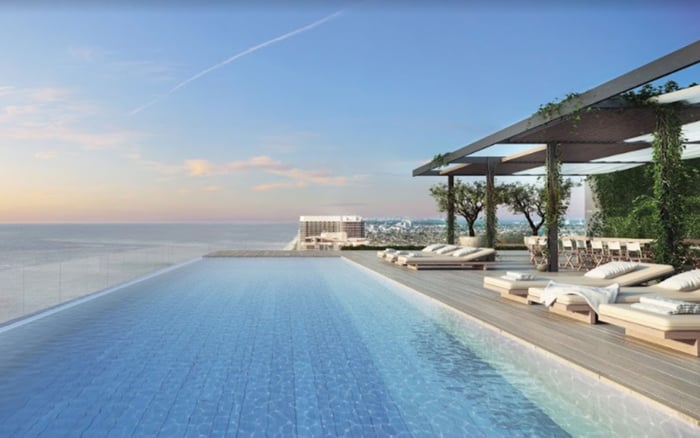
An editorial look at why Onda Bay Harbor resonates with art collectors through boutique privacy, considered interiors, managed light, and access to South Florida’s cultural lifestyle.
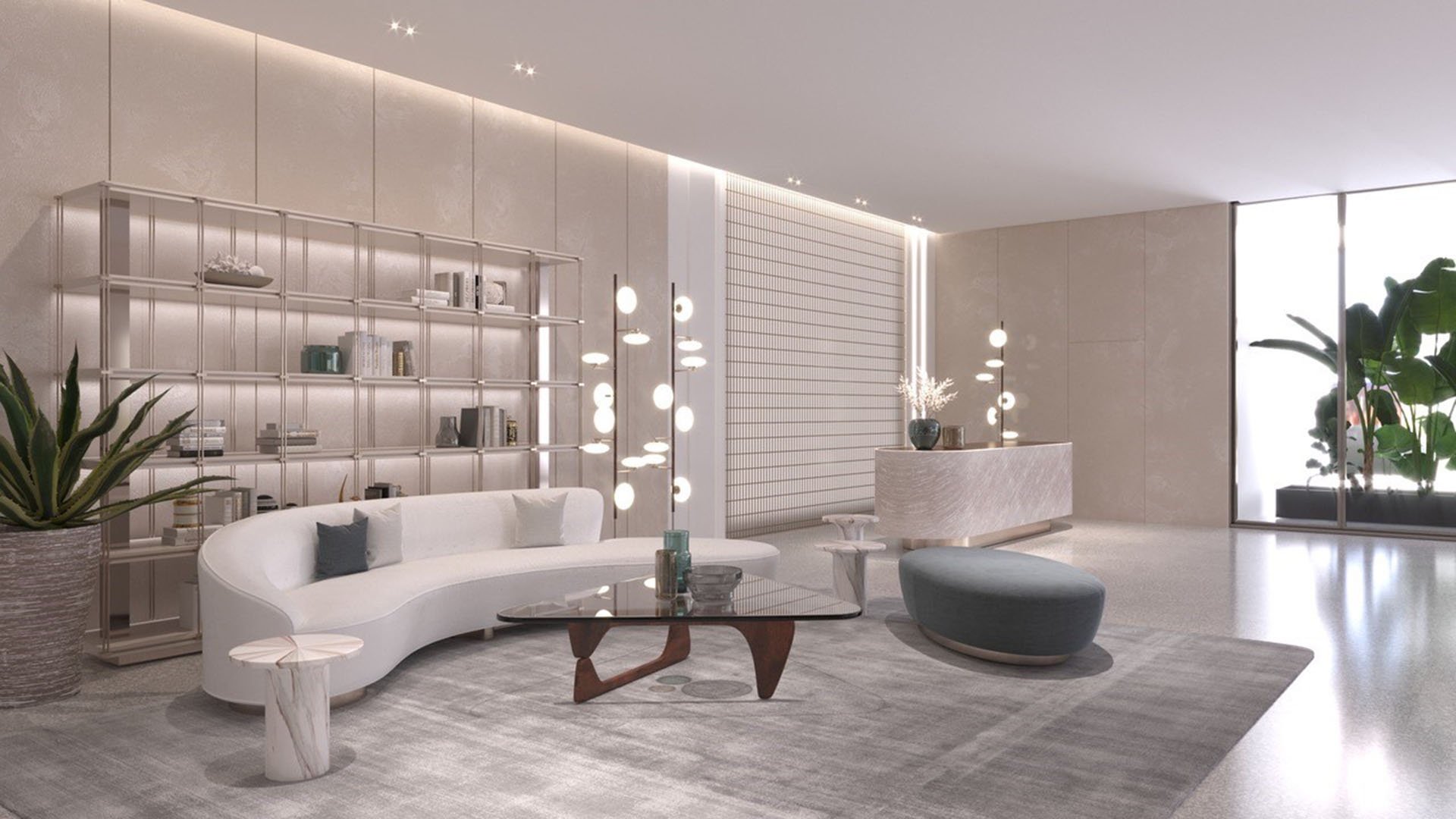
Onda Bay Harbor is not best understood as an explicitly art-branded condominium. Its relevance to collectors is more nuanced: the residence can be considered through privacy, presentation, light, and the way a home supports works that are personal, valuable, and often carefully curated.
For collectors, the question is rarely limited to whether a building has a dramatic lobby or a public-facing cultural identity. The more enduring test is whether daily life allows art to feel protected, intentional, and integrated rather than merely decorative. In that sense, Onda’s appeal belongs to the private side of collector living, where a residence may function as a home, salon, retreat, and quiet archive.
Boutique scale can matter when an owner values discretion. Art collecting often involves more than ownership; it can include visits from advisors, installers, framers, shippers, and guests invited into a residence for a focused viewing. A calmer residential environment can support that rhythm without turning the home into a public stage.
Bay Harbor Islands also sits within a broader luxury conversation that includes nearby coastal communities and design-minded residential projects. Buyers comparing the neighborhood may also study La Maré Bay Harbor Islands and The Well Bay Harbor Islands when evaluating privacy, atmosphere, and lifestyle fit.
Design & Architecture matter differently when a residence is expected to hold serious art. Collectors tend to look beyond finishes and ask practical questions: where can major works be placed, which rooms allow visual breathing room, how does circulation affect the viewing sequence, and which walls are protected from the strongest light.
A home that can function as a private gallery does not need to resemble a museum. In many cases, the stronger result is warmer and more personal: art integrated into living, dining, entertaining, and arrival spaces with enough discipline to make each work legible. The residence becomes part of the collection experience because it gives the art proportion, silence, and setting.
This is why collector-minded buyers should study floor plans carefully. The most important art wall may be the long surface seen from an entry, the transition between living and dining, or an interior plane that can be curated with lighting, furniture, and sightlines in mind.
Waterfront living creates a beautiful tension for collectors. Views and natural light are central to the appeal, yet art placement requires restraint. Direct sun, glare, reflections, and humidity considerations can affect how works are experienced and cared for, especially in rooms designed around openness and views.
Collectors may favor interior walls for more sensitive pieces, use view-facing areas for sculpture or less light-sensitive works, and reserve certain living spaces for rotating displays. The best waterfront residences do not ask owners to choose between the view and the collection. They require a more curated plan that balances sightlines, wall depth, furniture placement, and controlled illumination.
In this regard, Onda fits a broader South Florida design conversation: the most successful collector residences are not only visually impressive, but also practical enough to support installation, preservation, and private enjoyment.
Onda’s Bay Harbor Islands setting places it near the established luxury rhythm of Bal Harbour and Surfside while remaining connected to the wider Miami cultural lifestyle. That balance is central to the collector argument. The residence does not need to produce its own public cultural programming to be relevant to art-minded owners; it can be valuable because it offers privacy at home and access beyond it.
Collectors comparing nearby coastal addresses may also look toward Rivage Bal Harbour while still finding that Bay Harbor Islands offers its own quieter residential tone. Onda fits that middle ground: connected to a sophisticated South Florida luxury network, yet framed by a more private day-to-day setting.
The Onda buyer with an art-collector mindset is likely not searching for spectacle. This buyer wants a home that can host a dinner around a new acquisition, accommodate a private viewing, or serve as a calm retreat after time spent in Miami’s cultural districts. The value lies in proportion, privacy, light management, and access.
That is why Onda Bay Harbor fits the conversation around art collector living without needing to claim a formal collector identity. Its strongest case is residential: a boutique waterfront sensibility, a quieter Bay Harbor Islands frame, and enough design flexibility for owners who want their home to support art with care.
Is Onda Bay Harbor an art-branded condominium? No. This article treats Onda through an art-collector lens based on privacy, design thinking, and the way a residence may support art at home.
Why does boutique scale matter for collectors? Boutique scale can support discretion, calmer arrivals, and a more private setting for guests, advisors, or installation teams.
What should collectors evaluate inside a residence? They should study wall lengths, light exposure, ceiling feel, circulation, and how furniture placement affects art viewing.
Do waterfront views complicate art placement? They can. Natural light and glare may require careful planning so artworks are displayed in locations suited to their materials and sensitivity.
Why is Bay Harbor Islands relevant to this topic? Bay Harbor Islands offers a quieter South Florida residential setting while remaining near established luxury and cultural destinations.
Can a home function as a private gallery without feeling formal? Yes. Many collectors prefer homes where art is integrated into daily living rather than presented in a museum-like way.
How should buyers think about lighting? Buyers should consider both natural and artificial lighting, including how glare, reflections, and controlled illumination affect each work.
Does Onda need public cultural programming to appeal to collectors? No. Its appeal can come from the private residence experience rather than public art programming.
What type of buyer may appreciate this approach? A privacy-minded owner who values waterfront living, design discipline, and a home that can support meaningful works of art.
Should collectors compare Onda with nearby projects? Yes. Comparing nearby residences can help buyers understand differences in privacy, setting, design character, and lifestyle fit.
For a confidential assessment and a building-by-building shortlist, connect with MILLION.
If branded residences are on your mind — as a home or as an allocation — we would be glad to share what we are seeing, privately.
Begin a quiet conversation